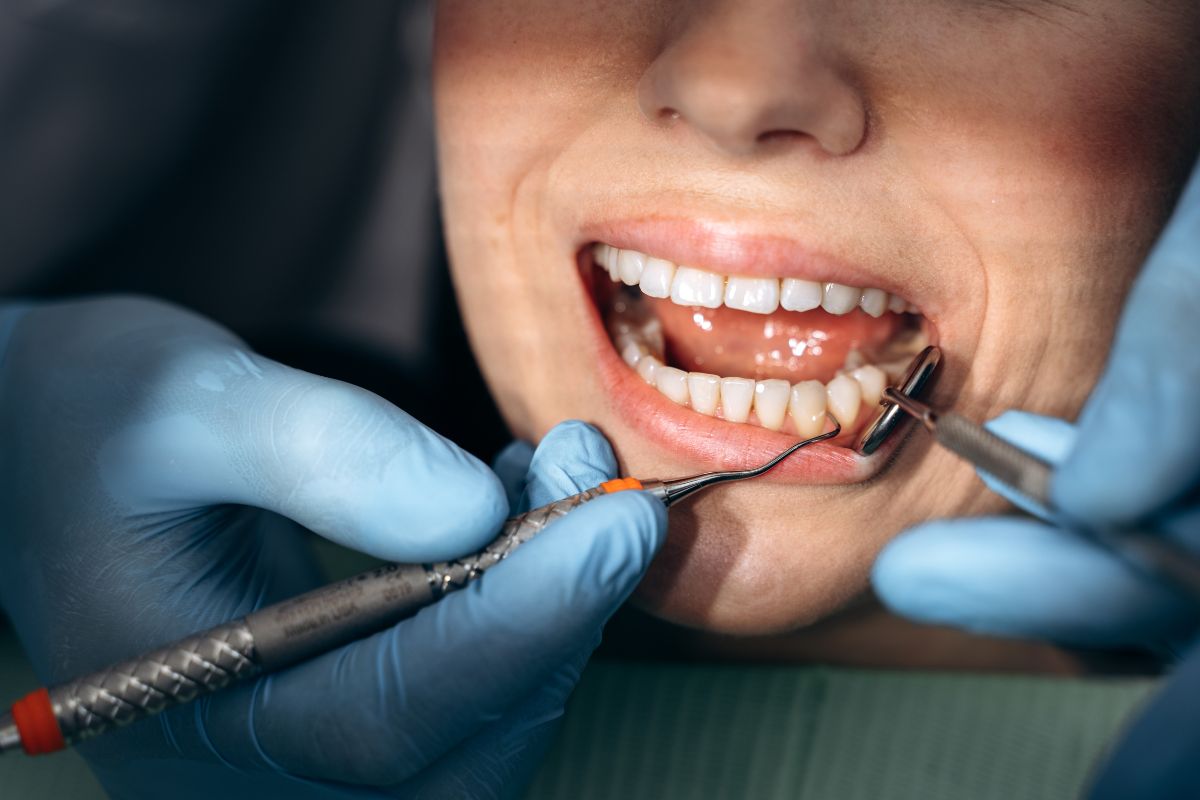


Dental emergencies rarely happen at a convenient time. Whether you’re dealing with sudden tooth pain, a broken tooth, or a knocked-out tooth after an accident, knowing what to do can make a big difference in protecting your oral health.
Understanding common dental emergencies helps you act quickly and reduce the risk of permanent damage. If you’re experiencing severe pain or dental trauma in Albuquerque, NM, seeking prompt care from an experienced emergency dentist in Albuquerque can help relieve discomfort and improve the chances of saving your tooth.
At LoPour & Associates DDS, our team provides compassionate emergency dental care for patients throughout Albuquerque and nearby communities.
Quick Answer
Common dental emergencies include severe toothaches, knocked-out teeth, broken or cracked teeth, lost fillings or crowns, dental abscesses, soft tissue injuries, and damaged dental restorations. Prompt treatment helps relieve pain, prevent infection, and protect your natural teeth whenever possible.
What Is Considered a Dental Emergency?
Not every dental issue requires immediate treatment, but some symptoms shouldn’t be ignored.
A dental emergency often involves:
- Severe or persistent tooth pain
- A knocked-out permanent tooth
- A cracked or broken tooth
- Facial swelling
- Bleeding that won’t stop
- Signs of infection
- Injury to the gums, lips, or tongue
If you’re experiencing bleeding gums that don’t improve or are accompanied by pain or swelling, it’s important to have them evaluated by a dentist. Read our guide on are bleeding gums a dental emergency? to learn when gum bleeding may require prompt dental care and when you should schedule an appointment.
1. Severe Toothache
A persistent toothache may be caused by tooth decay, infection, a cracked tooth, or gum disease.
Treatment
Your dentist will examine the affected tooth using digital X-rays to determine the cause. Depending on the diagnosis, treatment may include:
- Dental fillings
- Root canal therapy
- Antibiotics for infection
- Tooth extraction if necessary
Until your appointment, rinse with warm salt water and avoid placing aspirin directly on the gums.
2. Knocked-Out Tooth
A knocked-out permanent tooth is one of the most time-sensitive dental emergencies.
What to Do
- Pick up the tooth by the crown only.
- Avoid touching the root.
- Rinse gently if dirty.
- Place it back into the socket if possible.
- If not, keep it in milk or a tooth preservation solution.
- Visit a dentist immediately.
Treatment
If treated within about an hour, the tooth may often be successfully reimplanted.
3. Cracked or Broken Tooth
Teeth can crack after biting hard foods, sports injuries, or falls.
Treatment Options
Depending on the severity, treatment may include:
- Dental bonding
- Tooth-colored fillings
- Dental crowns
- Root canal therapy
- Tooth extraction in severe cases
Prompt care helps prevent bacteria from reaching the inner pulp.
4. Lost Filling or Crown
A missing filling or crown leaves your tooth vulnerable to sensitivity and additional damage.
Treatment
Your dentist will evaluate the remaining tooth structure and may:
- Replace the filling
- Recement the crown
- Fabricate a new crown if needed
Avoid chewing on the affected side until your appointment.
5. Dental Abscess
A dental abscess is a serious infection that develops near the root of a tooth or within the gums.
Common symptoms include:
- Severe throbbing pain
- Swelling
- Bad taste in the mouth
- Fever
- Difficulty swallowing
Treatment
Treatment may involve:
- Draining the infection
- Root canal treatment
- Antibiotics
- Tooth extraction if the tooth cannot be saved
Ignoring an abscess can allow the infection to spread.
6. Broken Dental Filling, Bridge, or Denture
Damaged dental restorations can affect chewing and expose teeth to further injury.
Treatment
Your dentist will determine whether the restoration can be repaired or needs replacement. Modern restorative materials often allow durable, natural-looking repairs.
7. Soft Tissue Injuries
Cuts or injuries involving the lips, cheeks, gums, or tongue may occur after falls or sports accidents.
Treatment
Minor injuries often improve with:
- Gentle pressure using clean gauze
- Cold compresses
- Warm saltwater rinses
If bleeding continues for more than 10-15 minutes, seek immediate professional care.
8. Loose or Dislodged Tooth
A tooth that becomes loose after trauma should never be ignored.
Treatment
Your dentist may stabilize the tooth using a flexible splint while the surrounding tissues heal. Early intervention increases the likelihood of preserving the natural tooth.
9. Food or Object Stuck Between Teeth
Sometimes food becomes tightly lodged between teeth, causing pain and inflammation.
Treatment
Try gently removing the object using dental floss.
Avoid using:
- Pins
- Toothpicks
- Sharp metal objects
These can damage your gums or tooth enamel.
10. Jaw Pain or Dental Trauma
A blow to the face may affect the jaw, teeth, or surrounding tissues.
Treatment
Your dentist will evaluate for fractures, bite changes, and tooth injuries. Imaging may be recommended to determine the extent of the damage before creating a treatment plan.
What Does Emergency Dental Treatment Typically Cost?
The cost depends on the type of emergency and the treatment required.
Factors include:
- Diagnostic X-rays
- Complexity of the procedure
- Restorative materials
- Insurance coverage
Many dental offices discuss treatment options and estimated costs before beginning care whenever possible.
How Can You Prevent Dental Emergencies?
While not every emergency is preventable, healthy habits reduce your risk.
Helpful tips include:
- Wear a custom mouthguard during sports.
- Avoid chewing ice and hard candy.
- Don’t use your teeth as tools.
- Schedule regular dental checkups.
- Treat cavities early before they become painful.
- Maintain good brushing and flossing habits.
Frequently Asked Questions
What is the most common dental emergency?
Severe tooth pain is one of the most common dental emergencies. It may result from cavities, infection, cracked teeth, or gum disease. A dental examination can identify the underlying cause and determine the appropriate treatment.
Should I go to the emergency room for a dental emergency?
Most dental emergencies are best treated by a dentist. However, if you experience severe facial swelling, uncontrolled bleeding, difficulty breathing, or significant facial trauma, visit the nearest emergency room immediately.
How quickly should I see a dentist after a tooth is knocked out?
Ideally, you should see a dentist within 30 to 60 minutes. Fast treatment significantly improves the chances of successfully saving and reattaching the natural tooth.
Can a cracked tooth heal on its own?
No. Unlike bones, teeth cannot repair themselves. Even small cracks can worsen over time and may require bonding, a crown, or root canal therapy depending on the damage.
What should I do if my dental crown falls off?
Keep the crown if possible and avoid chewing on that side of your mouth. Contact your dentist promptly so the crown can be evaluated and, if appropriate, recemented or replaced.
Conclusion
Knowing how to respond to common dental emergencies can help reduce pain, prevent complications, and protect your smile. Whether you’re dealing with a severe toothache, a broken tooth, or an unexpected dental injury, seeking prompt professional care is the best way to protect your oral health.
If you or a loved one experiences a dental emergency in Albuquerque, don’t wait to get help. Contact LoPour & Associates DDS to schedule an emergency appointment and receive compassionate, timely care from an experienced dental team.
Call us today at +1 5052987475 to get the care you need when it matters most.
Want to stay informed about dental tips, office news, and patient experiences? Visit our Google Business Profile to explore recent updates, read reviews from local patients, and learn more about our practice.