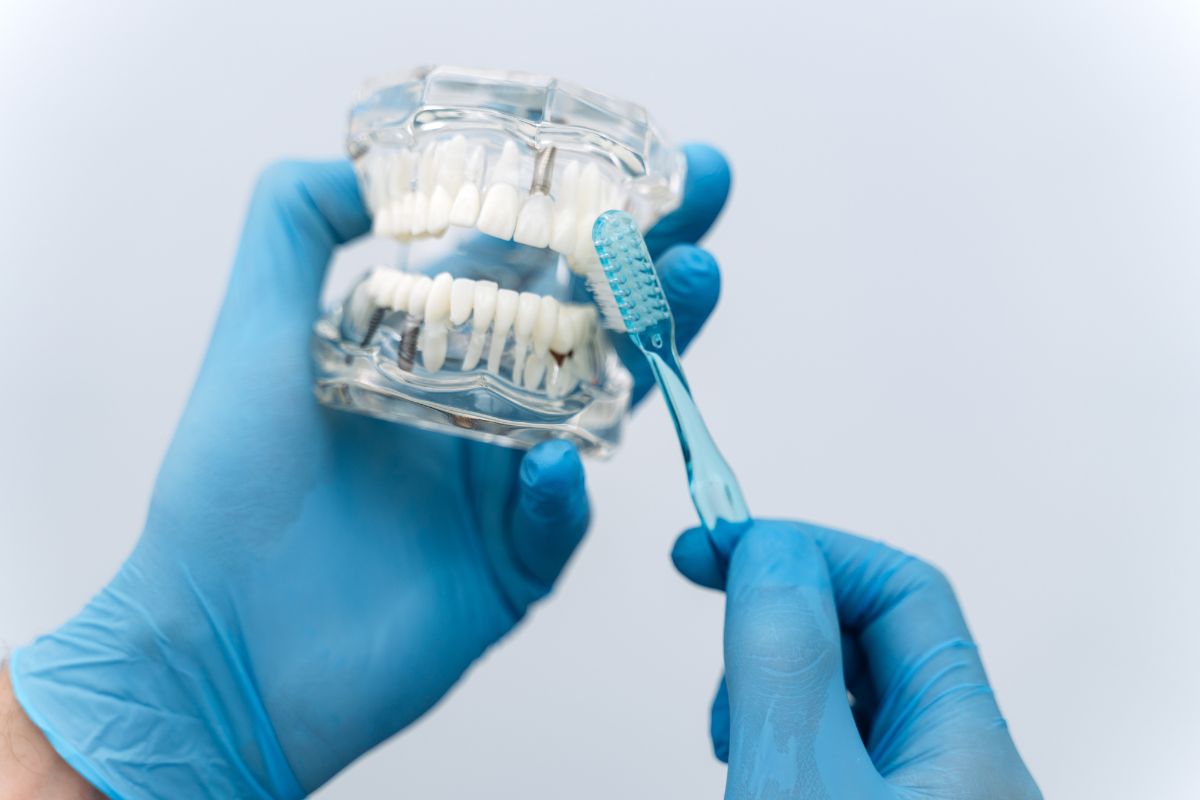
Brushing your teeth is one of the simplest yet most important steps in maintaining a healthy smile, but are you doing it correctly? Many people unknowingly develop poor teeth brushing habits that can lead to plaque buildup, gum irritation, or even tooth decay over time.
At LoPour & Associates DDS, a trusted Albuquerque dentist, we often see the effects of common brushing mistakes and help patients correct them for better oral health. From understanding “how long should you brush your teeth” to using the right brushing technique, small changes can make a big difference. In this guide, our expert dentist in Albuquerque highlights ten common mistakes people make when they brush teeth, and how to fix them for more effective brushing teeth routines.
Quick Answer
Many people unknowingly make teeth brushing mistakes that can lead to cavities, gum disease, enamel wear, bad breath, and tooth sensitivity. Common mistakes include brushing too hard, using the wrong toothbrush, brushing for less than two minutes, skipping flossing, and not replacing your toothbrush regularly. By improving your brushing technique and maintaining regular dental checkups, you can protect your smile and enjoy better oral health for years to come.
1. Brushing Your Teeth Too Hard
If you brush teeth too hard, you may think you’re doing a better job cleaning, but in reality, you’re damaging your enamel and irritating your gums. Brushing your teeth too hard wears down protective tooth surfaces and often leads to sensitivity. If your toothbrush bristles look frayed, it’s time to ease up. Let the motion, not the pressure, do the work.
Fix it: Use a light hand and let your toothbrush glide across your teeth with gentle, circular motions.
2. Using a Toothbrush That’s Too Firm
Hard-bristled brushes can be harsh on your gums and enamel, especially if combined with aggressive brushing. When choosing a toothbrush, many people overlook softness as an essential factor.
Fix it: Choose a soft-bristled brush recommended by your Albuquerque dentist, like a post-surgical or extra-soft brush. Gentle brushes are effective when paired with proper brushing technique.
3. Not Changing Your Toothbrush Often Enough
If you’ve been brushing with the same toothbrush for more than three months, it’s time for a replacement. Worn bristles lose their cleaning ability and can harbor bacteria.
Fix it: Replace your toothbrush or electric brush head every 3 months, or sooner if the bristles are worn.
4. Using the Wrong Toothpaste
Toothpastes with excessive whitening agents or abrasive particles can strip away enamel over time. Some patients unknowingly use harsh products, thinking they’re better for stain removal.
Fix it: Ask your dentist in Albuquerque to recommend a gentle, non-abrasive toothpaste. The safest options clean effectively without harming enamel.
5. Not Brushing Long Enough
Wondering how long should you brush your teeth? If you’re spending less than two minutes, you’re likely leaving plaque behind. Many people report brushing their teeth for only 30-45 seconds, far too short for a thorough clean.
Fix it: Set a timer or use an electric toothbrush with a built-in timer to make sure you’re brushing your teeth for a full two minutes.
6. Brushing in the Same Pattern Every Time
Always starting in the same place may lead you to rush or neglect certain areas. Over time, this creates uneven cleaning and increases the risk of decay.
Fix it: Switch up your teeth brushing routine regularly. Start in a different quadrant of your mouth each time to ensure consistent cleaning.
7. Missing Key Areas of the Tooth
Many adults forget that plaque loves to hide along the gum line, between teeth, and behind the molars.
Fix it: Hold your brush at a 45-degree angle toward the gum line and focus on all surfaces of each tooth, not just the tops.
8. Not Brushing Your Tongue
Bad breath often comes from bacteria on your tongue. Yet many skip this crucial step during their routine.
Fix it: After you brush teeth, gently brush your tongue or use a tongue scraper to remove bacteria and improve breath freshness.
9. Skipping Flossing
While not technically a brushing mistake, failing to floss means you’re missing nearly 40% of your tooth surfaces.
Fix it: Start slow if needed floss just a few teeth daily and build the habit. Your dentist Albuquerque, NM, can offer tips to make flossing easier.
10. Brushing Too Much or Not Enough
Brushing my teeth once a day isn’t enough to remove bacteria and plaque. On the flip side, brushing more than three times daily especially with poor technique can be harmful.
Fix it: Stick to twice a day: once in the morning and once before bed. If you feel the need to clean between, try rinsing or using dental picks instead of over-brushing.
Brush Smarter for a Healthier Smile
Maintaining a consistent, gentle, and effective teeth brushing routine is one of the most powerful things you can do to protect your oral health. Whether it’s learning how long should you brush your teeth, avoiding brushing your teeth too hard, or simply remembering to change your toothbrush regularly, even minor adjustments can make a lasting impact. At LoPour & Associates DDS, we’re committed to helping patients improve their habits and preserve their smiles for life.
If you’re unsure about your brushing technique or have questions about the right products to use, our expert team is here to help. As a leading Albuquerque dentist, we offer personalized advice and preventive care for every member of your family. Don’t wait for dental problems to arise stay proactive with guidance from a trusted family dentist in Albuquerque.
Ready to perfect your brushing routine and boost your oral health?
Schedule your visit with LoPour & Associates DDS, your go-to Albuquerque, NM dentist, and take the first step toward a cleaner, healthier smile!
FAQs
1. What are the most common teeth brushing mistakes?
The most common teeth brushing mistakes include brushing too hard, brushing for less than two minutes, using a hard-bristled toothbrush, skipping flossing, forgetting to brush the tongue, and not replacing your toothbrush regularly. Correcting these habits can help prevent cavities, gum disease, and enamel wear.
2. Can brushing too hard damage my teeth?
Yes. Brushing too aggressively can wear away tooth enamel, cause gum recession, and increase tooth sensitivity. Dentists recommend using a soft-bristled toothbrush and gentle circular motions to clean your teeth effectively without causing damage.
3. How long should I brush my teeth?
The American Dental Association recommends brushing your teeth for at least two minutes, twice a day. Spending about 30 seconds on each quadrant of your mouth helps remove plaque more effectively and supports better oral health.
4. Is an electric toothbrush better than a manual toothbrush?
Both electric and manual toothbrushes can clean your teeth effectively when used correctly. An electric toothbrush may be especially helpful for people with braces, arthritis, limited dexterity, or those who tend to brush too hard.
5. How often should I replace my toothbrush?
Most dentists recommend replacing your toothbrush or electric toothbrush head every three to four months, or sooner if the bristles become frayed or after recovering from an illness. A worn toothbrush is less effective at removing plaque.
6. Should I brush before or after breakfast?
If you eat acidic foods or drink acidic beverages like orange juice or coffee, it’s best to wait about 30 to 60 minutes before brushing. Brushing immediately after acidic foods can contribute to enamel erosion. If you prefer brushing before breakfast, that’s also a healthy option.
7. Why do my gums bleed when I brush?
Bleeding gums are often an early sign of gingivitis caused by plaque buildup. Continue brushing gently, floss daily, and schedule a dental exam if the bleeding continues for more than a few days or worsens.
8. Is flossing really necessary if I brush twice a day?
Yes. Brushing cleans the visible surfaces of your teeth, but flossing removes plaque and food debris from between the teeth and below the gumline areas a toothbrush cannot effectively reach. Daily flossing helps reduce the risk of cavities and gum disease.
9. What type of toothbrush is best for sensitive teeth?
A soft-bristled toothbrush is generally the best choice for people with sensitive teeth or gums. Pairing it with a fluoride toothpaste designed for sensitivity can help reduce discomfort while protecting your enamel.
10. When should I see a dentist about my brushing habits?
You should schedule a dental appointment if you experience persistent bleeding gums, tooth sensitivity, bad breath, gum recession, pain while brushing, or frequent cavities. A dentist can evaluate your oral health and recommend improvements to your brushing technique and daily routine.