A broken tooth might not always feel urgent, especially if the pain fades quickly, but delaying care can lead to serious complications. If you’re in Albuquerque or nearby areas like Rio Rancho, South Valley, or Corrales, it’s important to understand when to act. Seeing an emergency dentist in Albuquerque early can make a major difference in saving your tooth and avoiding more complex treatment. This guide explains what really happens when a broken tooth is ignored, how quickly problems can develop, and what warning signs mean it’s time to seek care.
Why Even a Small Crack Shouldn’t Be Ignored
Not all broken teeth look dramatic. Sometimes it’s just a tiny chip or a faint crack you can barely see. However, your tooth’s outer layer (enamel) protects sensitive inner structures. Once that barrier is compromised, bacteria can enter more easily.
Even minor damage can:
- Weaken the tooth structure over time
- Increase sensitivity to hot, cold, or sweet foods
- Create rough edges that irritate your tongue or cheeks
What starts as a small inconvenience can gradually become a bigger dental concern if left untreated.
How Damage Progresses Beneath the Surface
A broken tooth doesn’t stay the same; it tends to worsen. Beneath the visible surface, your tooth contains dentin and pulp (where nerves and blood vessels live). When exposed, these layers are vulnerable.
Here’s how the problem can progress:
- Early stage: Mild sensitivity or discomfort
- Mid-stage: Pain when chewing or temperature sensitivity
- Advanced stage: Infection or nerve damage
Because these changes aren’t always visible, many people underestimate how quickly things can escalate.
The Risk of Infection and Abscess Formation
One of the most serious consequences of delaying treatment is infection. Bacteria can enter through cracks and reach the pulp, leading to an abscess, a painful pocket of pus.
Common signs of infection include:
- Swelling in the gums or face
- Persistent toothache
- Bad taste or odor in the mouth
- Fever in more severe cases
According to the National Institute of Dental and Craniofacial Research, untreated dental infections can spread beyond the tooth and affect surrounding tissues or even other parts of the body. For more information, visit: https://www.nidcr.nih.gov/health-info/tooth-decay
Pain Isn’t Always Immediate, but It Will Come
One common misconception is that no pain means no problem. In reality, pain may disappear temporarily if the nerve inside the tooth begins to die. Unfortunately, this doesn’t mean healing—it often signals worsening damage.
Over time, you may experience:
- Sudden sharp pain when biting
- Throbbing discomfort that disrupts sleep
- Increased sensitivity that becomes constant
Pain tends to return stronger and more persistent the longer treatment is delayed.
When a Tooth Can No Longer Be Saved
Early treatment often allows dentists to repair a broken tooth with simple solutions like bonding or a crown. However, waiting too long can limit your options.
Advanced damage may require:
- Root canal therapy to remove infected pulp
- Tooth extraction if the structure is too compromised
- Replacement options like implants or bridges
The longer you wait, the more invasive and costly the treatment typically becomes.
How It Can Affect Your Overall Oral Health
A broken tooth doesn’t just impact one area of your mouth. Left untreated, it can lead to broader oral health issues.
Potential complications include:
- Spread of bacteria to nearby teeth
- Gum inflammation or periodontal problems
- Bite misalignment due to structural changes
These issues can create a chain reaction, affecting your overall dental health and making future treatments more complex.
Warning Signs You Shouldn’t Ignore
Some symptoms clearly indicate that your broken tooth needs immediate attention. If you notice any of the following, don’t delay:
- Swelling in the gums or jaw
- Sharp or persistent pain
- A loose or shifting tooth
- Visible cracks extending below the gumline
- Signs of infection, like pus or fever
In these cases, seeking dental emergency services promptly can prevent serious complications and help preserve your tooth.
What You Can Do Right After Breaking a Tooth
If you experience a broken tooth, taking the right steps early can help reduce damage:
- Rinse your mouth gently with warm water
- Avoid chewing on the affected side
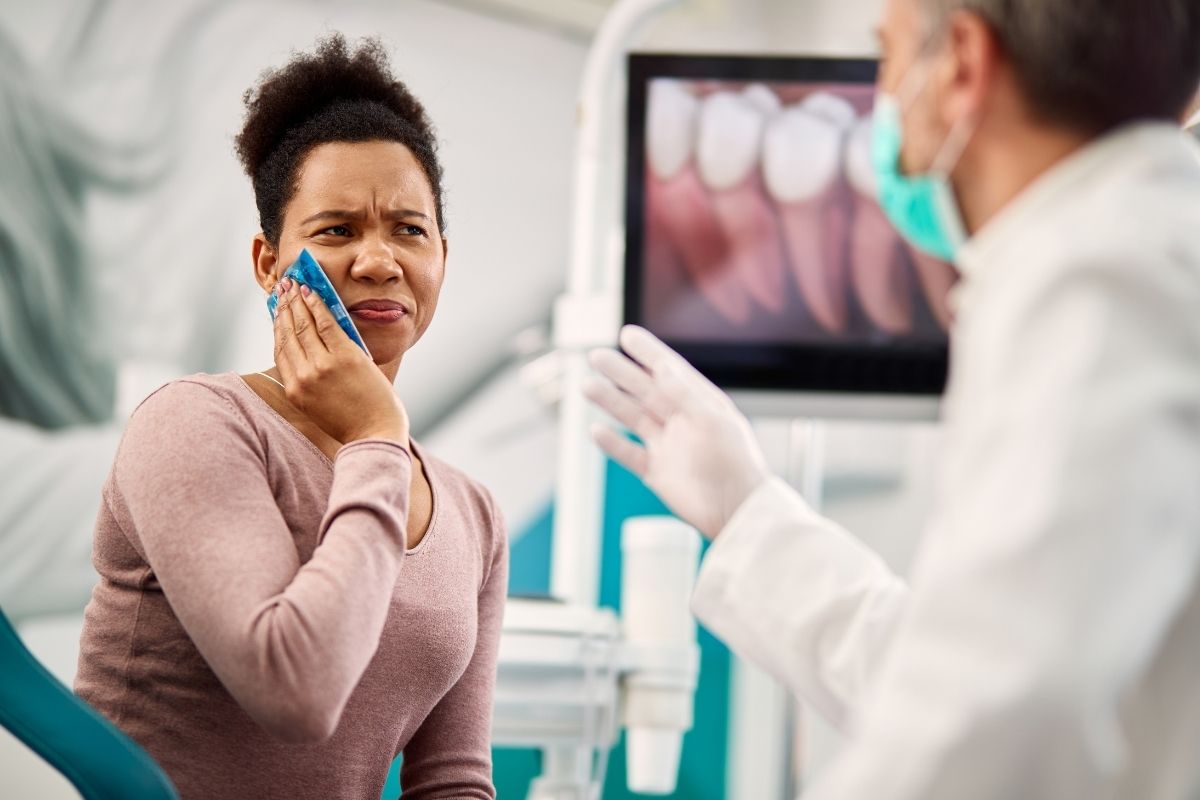
- Use a cold compress to reduce swelling
- Save any broken pieces if possible
- Schedule a dental visit as soon as you can
These simple actions can stabilize the situation until you receive professional care.
Conclusion
A broken tooth is never something to ignore, even if it seems minor at first. What begins as a small chip can lead to infection, severe pain, or even tooth loss if left untreated. Acting early helps protect your oral health, reduces the need for complex procedures, and keeps your smile intact. If you’re experiencing symptoms or suspect damage, don’t wait to reach out to a trusted dental professional for guidance. For expert, compassionate care in Albuquerque and surrounding areas, Contact Smiles by Design today to schedule your evaluation and get the treatment you need.