Dental implants have transformed the way missing teeth are replaced, offering durability, stability, and a natural appearance. Still, many patients in Albuquerque and surrounding areas like Rio Rancho, Corrales, and Los Lunas ask an important question: can your body actually reject a dental implant?
If you’re exploring treatment with an implant dentist in Albuquerque, it helps to know that implant failure is uncommon. With success rates ranging from 95–98%, dental implants are among the most reliable tooth replacement options available. Still, understanding the potential causes, early warning signs, and ways to prevent complications can help you safeguard your results and maintain long-term oral health.
What “Implant Rejection” Really Means
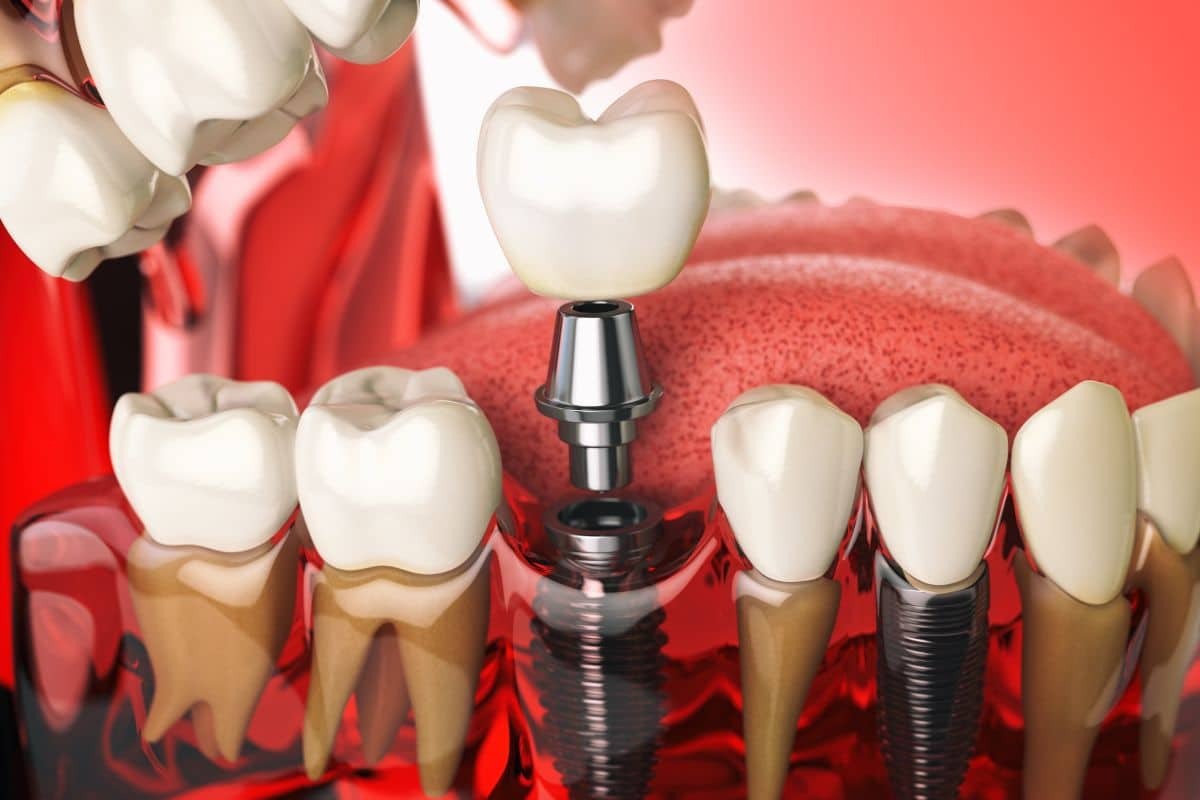
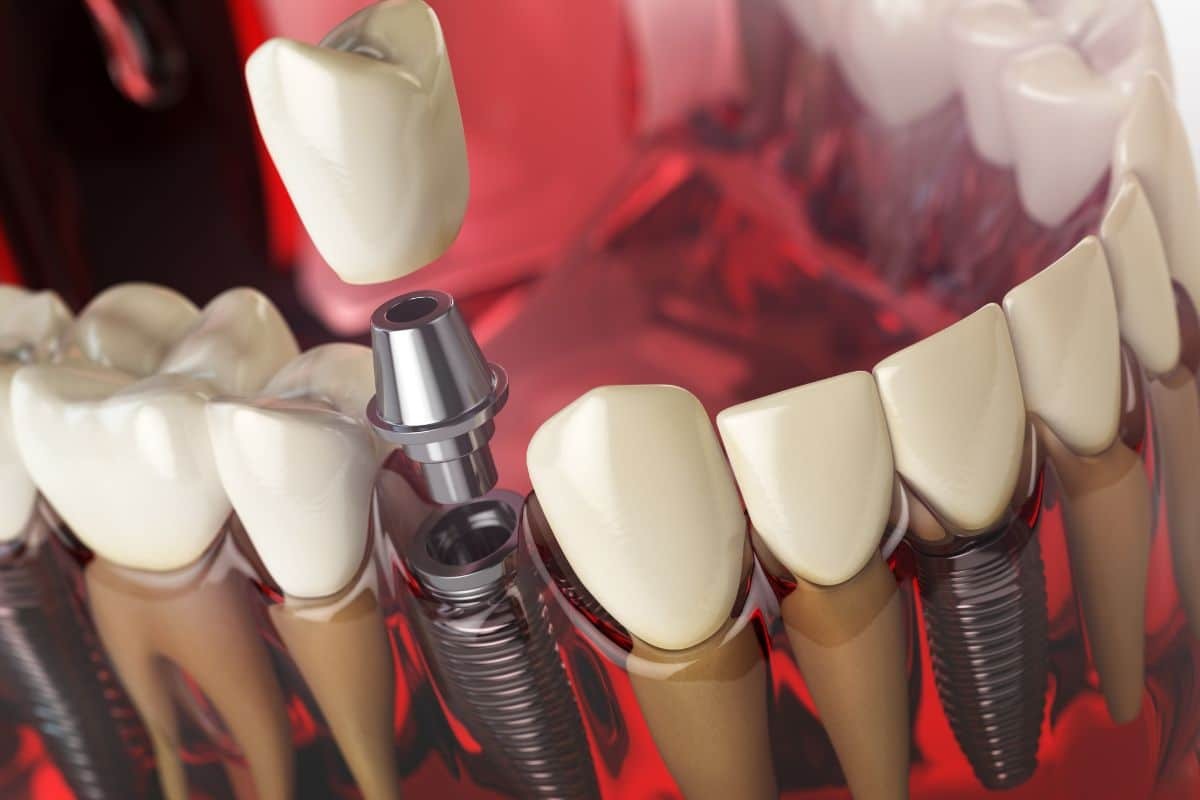
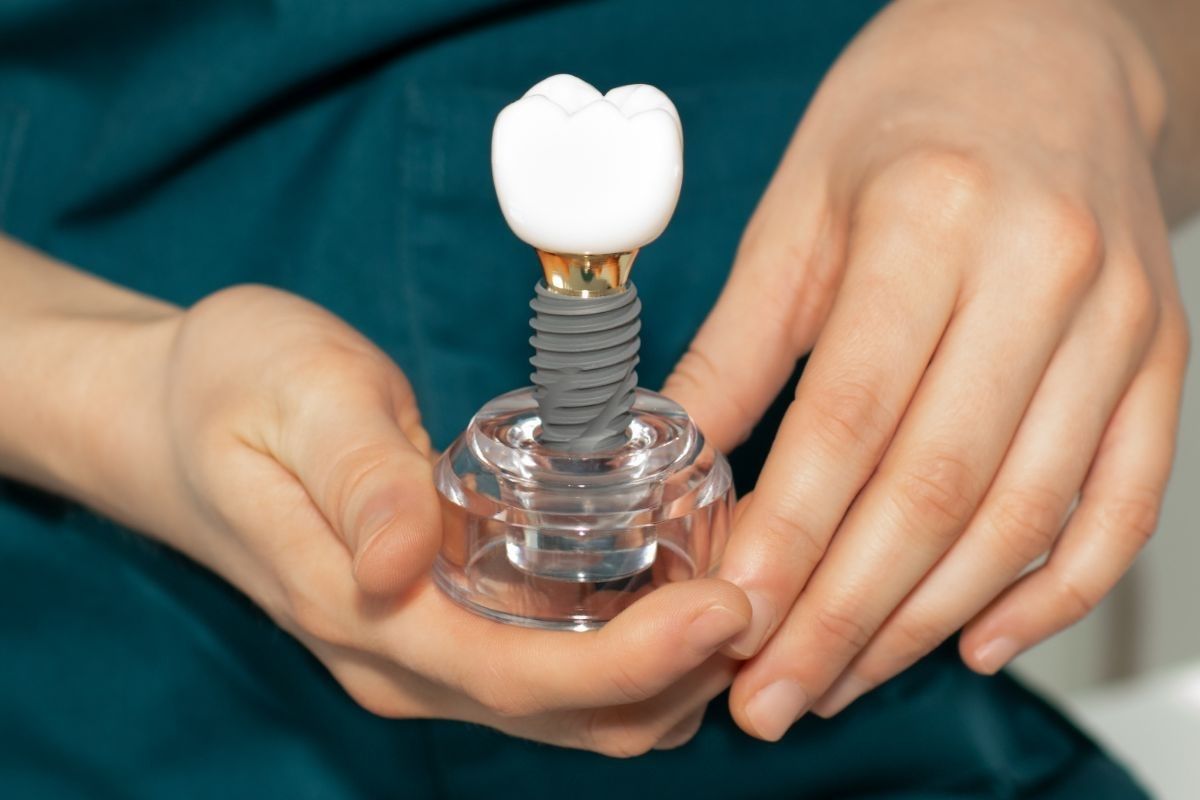
When people hear the word “rejection,” they often think of organ transplants. Dental implants are different. They are typically made from titanium, a highly biocompatible material designed to fuse with your jawbone in a process called osseointegration.
True allergic rejection of titanium is extremely uncommon. According to research cited by professional dental organizations such as the American Dental Association (ADA), dental implants are considered a safe and effective treatment option for most healthy adults.
In many cases, what patients refer to as “rejection” is actually implant failure, which can occur due to infection, healing complications, or lifestyle factors.
Early vs. Late Implant Complications
Implant problems can develop at different stages. Recognizing timing helps determine the cause.
Early Concerns (First Few Months)
Early complications typically happen before the implant fully integrates with the bone. Possible contributing factors include:
- Infection at the surgical site
- Poor bone quality or insufficient bone volume
- Excessive pressure on the implant during healing
- Underlying medical conditions that affect healing
Swelling and mild discomfort are normal for a few days after surgery. However, symptoms that worsen rather than improve should be evaluated promptly.
Late Concerns (After Healing)
Late implant problems can occur months or even years later. These are often linked to:
- Peri-implantitis (inflammatory infection around the implant)
- Poor oral hygiene
- Teeth grinding (bruxism)
- Smoking
- Trauma to the mouth
Late complications are often preventable with proper care and regular dental visits.
What Causes Dental Implant Failure?
While rare, several factors may increase the risk of implant failure.
1. Infection and Bacterial Buildup
The most common cause of implant failure is infection. Bacteria can accumulate around the implant, leading to gum inflammation and bone loss. Left untreated, this condition can compromise the implant’s stability.
Maintaining excellent oral hygiene habits is essential to prevent bacterial growth.
2. Smoking and Tobacco Use
Smoking reduces blood flow to the gums and interferes with healing. Studies show smokers have a significantly higher risk of implant complications compared to non-smokers.
3. Medical Conditions
Certain systemic conditions may affect healing, including:
- Uncontrolled diabetes
- Osteoporosis
- Autoimmune disorders
- Hormonal imbalances
Patients should always provide a complete medical history before implant placement.
4. Teeth Grinding (Bruxism)
Chronic grinding places excessive force on implants, potentially disrupting their integration with the bone. In these cases, a custom nightguard can help protect your restoration.
5. Rare Titanium Sensitivity
Although uncommon (less than 1% of cases), some individuals may have a hypersensitivity reaction to titanium. Alternative implant materials may be considered in these rare instances.
Warning Signs You Shouldn’t Ignore
Knowing the symptoms of implant trouble can help you act quickly. Contact your dentist if you notice:
- Persistent or increasing pain
- Swelling or redness that doesn’t improve
- Bleeding around the implant
- Pus or discharge
- Implant mobility (it feels loose)
- Gum recession exposing metal threads
It’s important to distinguish between normal post-surgical discomfort and symptoms that worsen or persist beyond the expected healing window.
Can a Failing Implant Be Saved?
In many cases, yes. Early intervention is key.
If the issue is limited to gum inflammation (similar to gingivitis around natural teeth), professional cleaning and antimicrobial treatment may resolve the problem.
If bone loss has occurred, more advanced treatment may be needed, such as:
- Deep cleaning and disinfection
- Antibiotic therapy
- Surgical correction
- Bone grafting procedures
Even if an implant must be removed, replacement is often possible after healing and, if necessary, bone regeneration.
How to Reduce Your Risk of Implant Problems
Prevention starts before surgery and continues long after healing.
Choose the Right Candidate Evaluation
A comprehensive exam, including digital imaging, ensures adequate bone support and identifies potential risk factors.
Follow Post-Operative Instructions Carefully
After implant placement:
- Take prescribed medications as directed
- Avoid hard or crunchy foods during early healing
- Keep the area clean using recommended techniques
- Attend follow-up appointments
Maintain Excellent Oral Hygiene
Brush twice daily with a soft-bristle toothbrush. Clean between teeth with floss or a water flosser. Regular professional cleanings every six months help prevent peri-implant disease.
Wear a Nightguard if You Grind
If you clench or grind your teeth, protecting your implant from excessive force is essential.
Quit Smoking
Stopping tobacco use significantly improves healing outcomes and long-term implant success.
When to See a Dentist in Albuquerque
If you experience unusual discomfort, swelling, or mobility around your implant, don’t wait. Prompt evaluation can mean the difference between minor treatment and more complex procedures.
An experienced Albuquerque dentist can assess your symptoms, determine the cause, and recommend the appropriate next steps.
Conclusion: Protecting Your Smile for the Long Run
While true dental implant rejection is rare, complications can occur without proper care. The good news is that most implant issues are preventable with good oral hygiene, healthy lifestyle habits, and regular dental visits. Understanding the warning signs and acting early gives you the best chance of long-term success.
If you have questions about dental implants or are experiencing concerning symptoms, contact us today to schedule a consultation. The team at LoPour & Associates DDS is here to help patients throughout Albuquerque and nearby communities protect their smiles with personalized, evidence-based care.