

How Do You Know If You Need a Dental Crown? – The need for a dental crown is when you notice the tooth is severely damaged, decayed, or weakened. Dental crowns in Albuquerque are a reliable solution for restoring the shape, function, and appearance of teeth.
Whether your tooth has suffered from trauma, deep decay, or wear over time, a dental cap can help restore its integrity. At LoPour & Associates, we provide high-quality tooth caps to help preserve your smile and oral health.
In this blog, we will walk you through the signs and factors that indicate you may need a dental crown, and how the procedure can help you maintain a healthy, functional smile. If you are considering crowns in Albuquerque, this guide will help you make an informed decision.
What Is a Dental Crown and Why Is It Necessary?
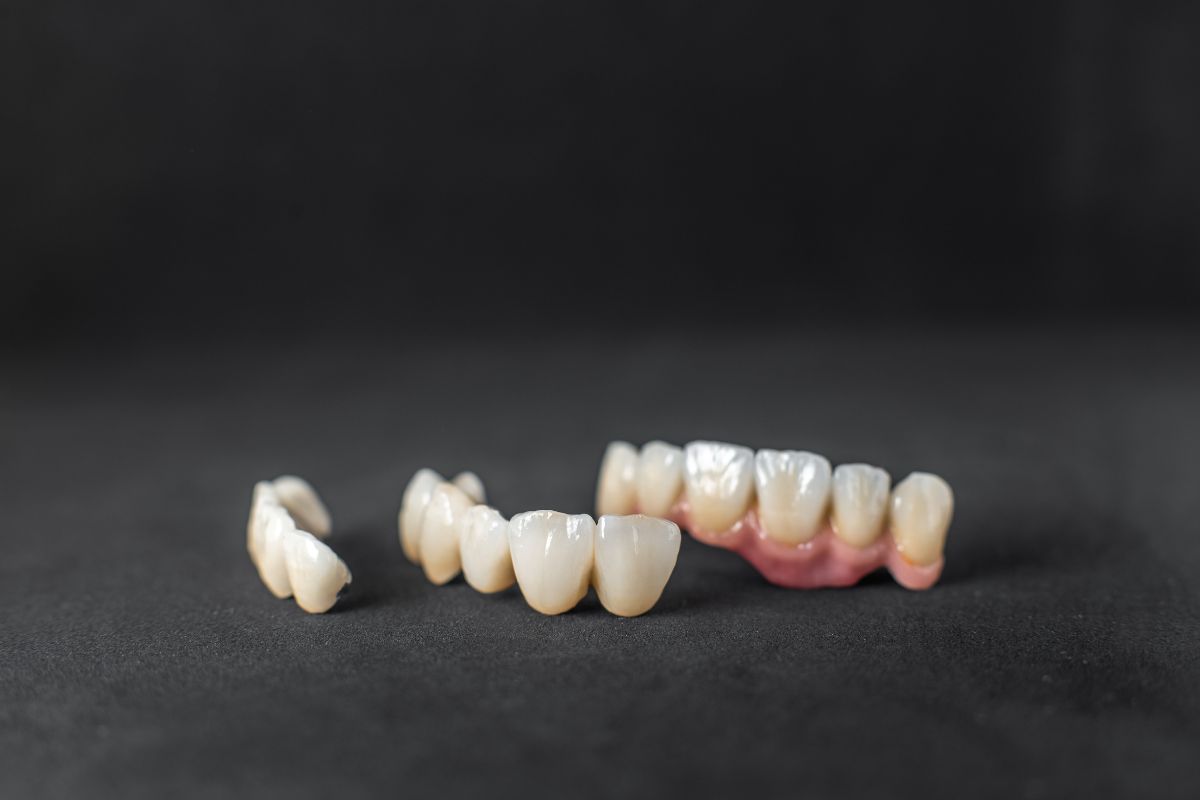
It is a tooth-shaped cap that covers a damaged or decayed tooth. It encases the entire visible portion of the tooth, providing strength and improving its appearance. Crowns are often used when a tooth is too damaged or weak to be repaired with a filling or other dental restoration. Crowning dental procedures are crucial for protecting teeth from further damage and restoring their function.
Signs You Might Need a Dental Crown
Several signs indicate you may need a tooth cap. Let’s take a look at some of the most common factors that might signal you require one:
1. Severe Tooth Decay or Damage
If you have a tooth with a large cavity or significant decay, it might not be strong enough to hold a filling. In this case, a crown for teeth can restore the tooth and prevent it from breaking further. If you’ve had multiple fillings or your tooth is worn down, a dental crown could provide additional support.
2. Cracked or Fractured Teeth
If your tooth has cracked or fractured due to trauma, chewing on hard food, or grinding your teeth at night, a crown dental procedure can stabilize the tooth and prevent the crack from spreading. A dental crown procedure helps protect and reinforce a damaged tooth, reducing the likelihood of breakage.
3. Root Canal Treatment
After a root canal treatment, the tooth often becomes weaker and more prone to damage. A tooth cap is often placed on top of a tooth to protect it and restore its shape and function. Crowns are beneficial for teeth that have undergone extensive restorative work, as they reinforce the tooth and prevent further damage.
4. Discolored or Misshapen Teeth
Teeth that are severely discolored or misshapen may benefit from crowns dental restoration. A tooth cap can significantly improve the appearance of the tooth by covering discoloration and reshaping it to match your natural smile. This procedure is often used in cosmetic dentistry to enhance the aesthetics of your teeth.
5. Large Fillings
If you have a large filling that makes up most of your tooth, it may leave the tooth vulnerable to cracking or breaking. In this case, crowns for teeth can provide additional strength and support. A dentist for a crown ensures that the tooth remains intact and functional for many years.
How Does the Dental Crown Procedure Work?
The dental crown procedure typically involves two visits to your dentist. The first visit includes preparing the tooth, which involves removing any decayed or damaged portions and shaping it to fit the crown. An impression of the tooth is taken to create a custom-fitted crown. You’ll be given a temporary crown to wear while the permanent one is being made.
During the second visit, the permanent crowns are placed, and the dentist checks the fit and makes any necessary adjustments. Once the crown is securely cemented, your tooth will look and function like new. The process is generally quick and straightforward, with minimal discomfort.
When Should You Book a Consultation for Crowns?
If you’ve noticed any of the signs mentioned above or are concerned about the condition of your teeth, it’s a good idea to book a consultation with a reliable dentist. A professional evaluation will help determine whether a dental cap is the right option for you.
Contact Our Dentist for Your Crowns Today
If you’re experiencing any of the signs mentioned above, it may be time to consider a dental cap. They not only restore the function and appearance of your teeth but also help protect them from further damage. If you’re in Albuquerque, consult with our team of professionals to explore your options for crowns in Albuquerque and get the smile you deserve.
At LoPour & Associates, our team is dedicated to providing personalized dental care to ensure your smile stays strong, healthy, and beautiful for years to come.
FAQs
How long do dental crowns last?
They typically last between 10 and 15 years with proper care. The crown material can affect its lifespan, but with regular maintenance, crowns can be a long-lasting solution.
Is the dental crown procedure painful?
Most patients report little to no pain during the crown procedure. Local anesthesia is used to numb the area, ensuring comfort throughout the process.
Can a dental crown be removed?
Once placed, they are not meant to be removed. They are a permanent restoration, though they can be replaced if necessary.
How do I take care of my dental crown?
Maintain good oral hygiene by brushing and flossing regularly. Avoid chewing on hard objects to prevent damage to the crown.
Are there different types of dental crowns?
Yes, crowns can be made from various materials, such as porcelain, ceramic, metal, or a combination, depending on the tooth’s location and function.
Can dental crowns be used for cosmetic purposes?
Yes, crowns for teeth are often used to improve the appearance of discolored, damaged, or misshapen teeth, providing a more natural and aesthetically pleasing look.
How do I know if I need a dental crown?
If you have a tooth that is cracked, severely decayed, or after a root canal, a crown may be necessary to restore the tooth’s strength and appearance.
Is a dental crown covered by insurance?
Many dental insurance plans cover part of the cost of crowns, especially if the crown is needed for restorative purposes. Contact your dental office for more details on coverage.