For some people, a dental appointment is a routine part of staying healthy. For others, even scheduling a visit can bring on nervousness, racing thoughts, or fear about what might happen in the dental chair. Previous uncomfortable experiences, a fear of needles, sensitivity to discomfort, or feeling out of control can make dental care especially stressful.
The good news is that you do not have to ignore your oral health because visiting the dentist makes you anxious. Sedation dentistry for dental anxiety can help eligible patients feel calmer during dental treatment, depending on the sedation method, their health history, and the procedure being performed.
At LoPour & Associates DDS, patients in Albuquerque, New Mexico, can explore their concerns and discuss whether sedation dental treatment in Albuquerque may be appropriate for their needs. Understanding the available options is a helpful first step toward making dental visits feel more manageable.
Quick Answer
Sedation dentistry uses medication or inhaled agents, depending on the method, to help eligible patients manage anxiety during dental procedures. Some options promote relaxation while allowing patients to remain awake and responsive; others produce deeper levels of sedation. A dentist evaluates your health, anxiety level, and treatment needs to determine which approach is appropriate.
Why Does Dental Anxiety Make Dental Visits Difficult?
Dental anxiety can affect people of all ages. It may be mild nervousness before an appointment or an intense fear that leads someone to postpone necessary care.
Common reasons include:
- Fear of pain: Worrying that a procedure will hurt can make even a simple examination feel intimidating.
- Previous negative experiences: An uncomfortable appointment in the past may influence how someone feels about future treatment.
- Fear of needles: Local anesthetic injections can be a particular source of stress.
- Loss of control: Reclining in a dental chair, hearing unfamiliar sounds, or not knowing what comes next can make some patients uneasy.
- Embarrassment about oral health: People who have delayed care may worry about being judged for cavities, gum problems, or missing teeth.
Avoiding appointments may allow dental problems to progress, potentially making future treatment more involved. Recognizing your concerns and discussing them openly with your dental team can help you find a practical way forward.
How Can Sedation Dentistry Help With Dental Anxiety?
Sedation can make dental treatment easier to tolerate for some patients. The experience depends on the medication, the depth of sedation, the procedure, and the individual’s response.
1. It Can Help You Feel More Relaxed
Certain sedation methods reduce feelings of nervousness and help patients feel calmer during treatment. This may be useful if you become tense before an appointment or find it difficult to settle into the dental chair.
Sedation does not necessarily eliminate anxiety for everyone, but it can be part of a personalized approach to managing it.
2. It May Make Longer Procedures Easier to Manage
Some dental procedures take longer than a routine checkup. For patients who struggle to remain comfortable during extended appointments, an appropriate sedation method may make the experience more manageable.
Your dentist can explain whether sedation is suitable for the planned procedure and whether treatment should be completed in one visit or divided into multiple appointments.
3. It Can Help With Certain Dental Fears
People who fear dental instruments, injections, or the sounds associated with treatment may benefit from discussing sedation options. The right approach depends on the source and intensity of the anxiety, as well as the person’s medical history.
Tell your dentist which part of the appointment worries you most. That information can help the team recommend suitable ways to support you.
4. It May Help You Move Forward With Needed Care
When fear repeatedly prevents someone from receiving dental care, discussing sedation may open the door to treatment they have been putting off.
Sedation is not the only solution, however. Clear explanations, agreed-upon breaks, gentle communication, and other anxiety-management strategies may also help. For many patients, combining these measures with an appropriate sedation method provides a more individualized experience.
What Types of Dental Sedation Are Available?
The best option depends on the procedure, your medical history, your anxiety level, and the type of sedation the dental practice is qualified and equipped to provide.
Nitrous Oxide
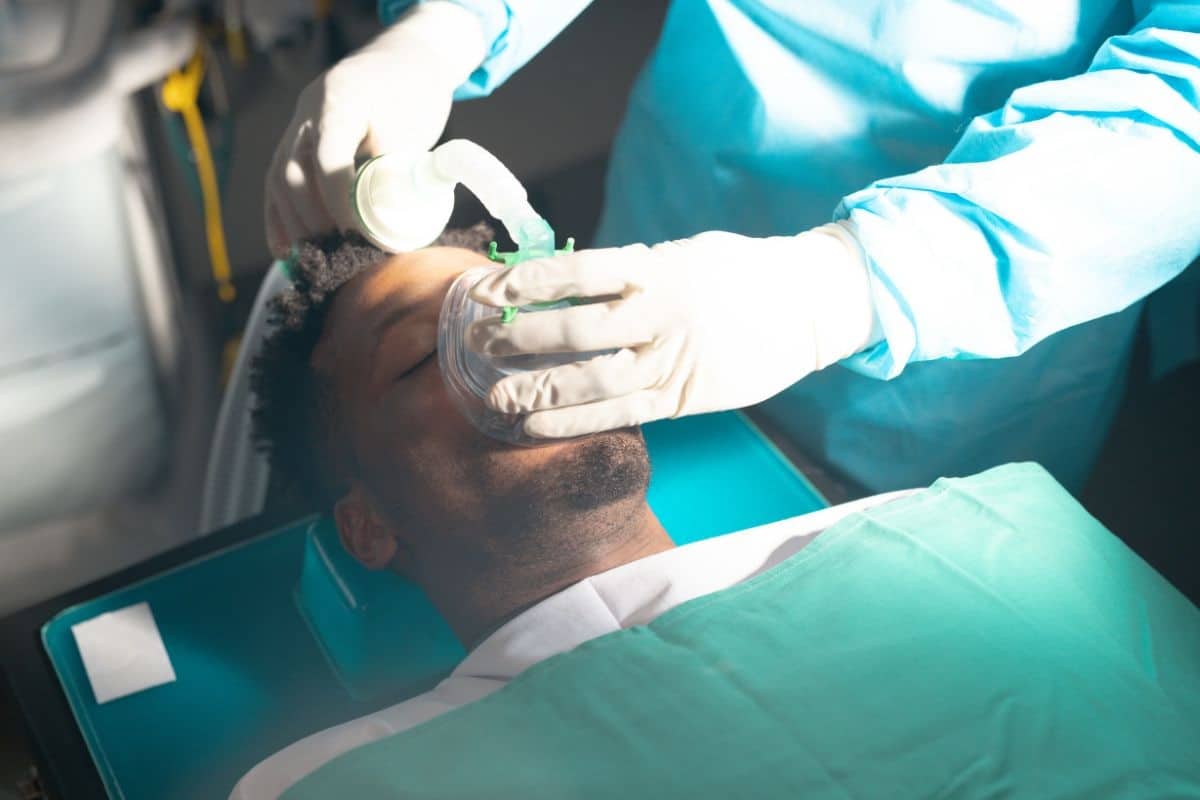
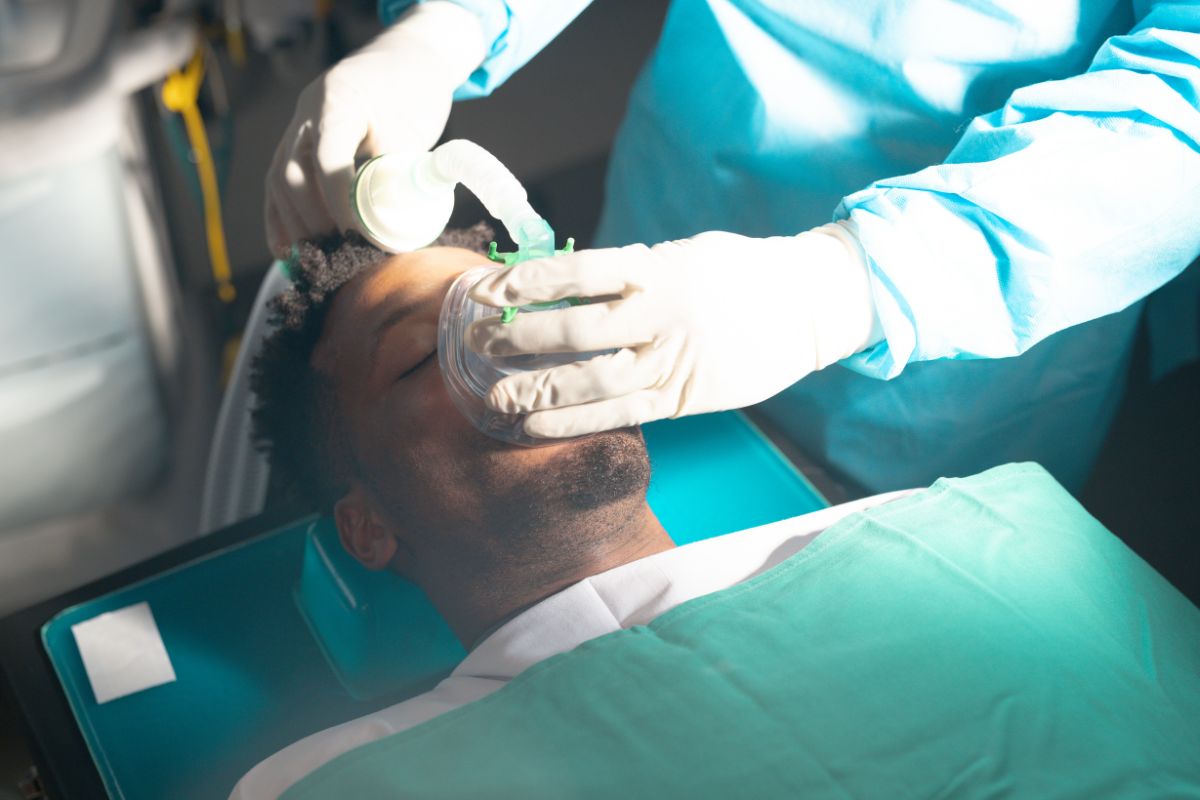
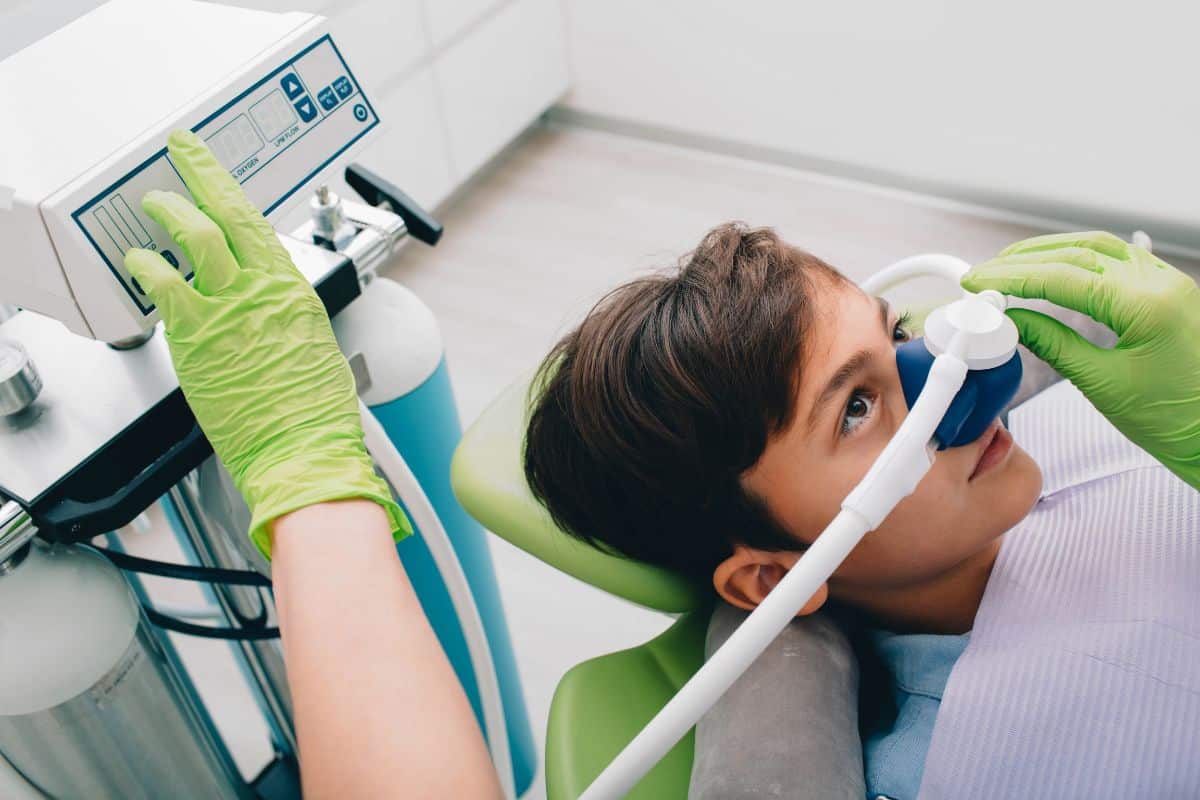
Nitrous oxide, often called laughing gas, is inhaled through a small mask. It can help patients feel relaxed while generally remaining awake and able to respond to instructions. Its effects usually wear off relatively quickly after administration stops, although your dentist will provide specific recovery guidance.
Nitrous oxide may be suitable for some patients with mild to moderate dental anxiety, but it is not appropriate for everyone.
Oral Sedation
Oral sedation involves taking a prescribed medication before treatment according to the dentist’s instructions. Depending on the medication and dose, it may cause relaxation and drowsiness. Patients can respond differently, and some may remember little of the procedure.
Because oral sedation can affect alertness and coordination, patients may need someone to accompany them and drive them home. Follow the practice’s instructions carefully, including guidance about eating, drinking, and taking regular medications.
Deeper Sedation Options
Some patients may require a deeper level of sedation for particular procedures or circumstances. These methods require appropriate professional training, monitoring, and safety arrangements. Availability varies by practice.
Ask your dentist which methods are offered, who administers them, how your vital signs will be monitored, and what recovery arrangements you will need.
Important: Sedation and local anesthesia serve different purposes. Local anesthesia numbs a specific area to prevent pain during dental treatment, while sedation primarily affects relaxation and awareness. Depending on the procedure, both may be used together.
Is Sedation Dentistry Safe?
Sedation can be appropriate for many patients when the method is carefully selected and the required precautions are followed. However, no sedation method is risk-free.
Your dental team should review your medical history, allergies, current medications, previous reactions to anesthesia or sedation, and relevant health conditions before recommending treatment. They should also explain the expected effects, possible side effects, monitoring procedures, and recovery requirements.
Never assume that a method is suitable simply because it worked for a friend or family member. The safest approach is to discuss your individual circumstances with a qualified dental professional.
Before your appointment, make sure you understand:
- Whether you need to avoid food or drinks beforehand.
- Whether your regular medications should be taken as usual.
- Whether a responsible adult must accompany you.
- How long you should avoid driving or other activities requiring full alertness.
- Whom to contact if you have questions during recovery.
Follow the instructions provided specifically for your planned procedure and sedation method.
How to Prepare for a More Comfortable Dental Visit
Sedation may help, but a little preparation can also make a meaningful difference.
Be honest about your anxiety. You do not need to minimize your fear or feel embarrassed. Tell your dentist what makes you uncomfortable and whether previous dental visits have been difficult.
Ask questions before treatment begins. Understanding what will happen, how long the procedure may take, and what sensations you might experience can reduce uncertainty.
Agree on a signal for breaks. If appropriate for your procedure, ask whether you can raise your hand to request a pause. Knowing how to communicate discomfort can help you feel more involved.
Follow all pre-appointment instructions. Fasting, medication, transportation, and post-treatment restrictions vary by sedation method. Do not guess or change your medication routine without guidance.
Address your concerns early. If you have been postponing dental care, arranging a consultation to discuss your options may be easier than waiting until a problem becomes urgent.
If you recognize several common warning signs, read about the signs you may benefit from sedation dental treatment to help prepare for a conversation with your dentist.
Finding Support for Dental Anxiety in Albuquerque
You deserve to have your concerns taken seriously when seeking dental care. If fear has kept you from booking an appointment, start by explaining what worries you and asking what accommodations may be available.
LoPour & Associates DDS serves patients in Albuquerque, NM, and can be a starting point for discussing dental anxiety and sedation options. During your consultation, ask which approaches may be appropriate for your needs, what they involve, and how the team will help you feel informed throughout treatment.
If you’re considering sedation dentistry in Albuquerque, you can find our office details and read patient reviews before planning your visit.
Frequently Asked Questions
Does sedation dentistry completely remove dental anxiety?
Not necessarily. Sedation may reduce anxiety during a procedure, but the effects vary by person and method. Some patients also benefit from communication strategies, gradual exposure to dental care, or psychological support for persistent dental fear.
Will I be asleep during sedation dentistry?
Usually, not with lighter methods such as nitrous oxide. Oral sedation can cause drowsiness, but its effects vary. Deeper sedation can significantly reduce awareness and requires appropriate monitoring. Ask your dentist which level is planned and what you should expect.
Can I receive sedation for a routine cleaning?
Possibly. Whether sedation is appropriate for a cleaning depends on the severity of your anxiety, your health history, and the options available at the practice. Your dentist may also recommend trying non-medication strategies first if they are likely to help.
Do I need someone to drive me home after dental sedation?
It depends on the sedation method and the instructions you receive. Nitrous oxide often allows a relatively quick recovery, while oral and deeper sedation may require an adult escort and restrictions on driving. Confirm your transportation arrangements before the appointment.
How do I know if sedation dentistry is right for me?
If fear causes you to cancel appointments, avoid necessary treatment, or experience significant distress before dental visits, discuss it with your dentist. A professional evaluation can help determine whether sedation, other anxiety-management techniques, or a combination of approaches may be appropriate.
Take the First Step Toward More Comfortable Dental Care
Dental anxiety is a real concern, and you do not have to feel embarrassed about asking for help. Learning about sedation options, explaining your fears, and understanding what to expect can make it easier to approach dental treatment with greater confidence.
If you have been delaying care because of fear or nervousness, contact LoPour & Associates DDS to discuss your concerns and ask whether sedation dentistry may be suitable for you. The goal is to find an approach that respects your comfort, supports your oral health, and helps you make informed decisions about your care.