

A cosmetic dental treatment can address many different concerns, from stained teeth and small chips to gaps, uneven shapes, or a smile that simply no longer feels like you. The challenge is that there is no single treatment that works best for everyone.
The right choice depends on your goals, your oral health, and the specific changes you want to make. If you are considering cosmetic improvements, speaking with a cosmetic dentist in Albuquerque can help you understand which options may be appropriate for your smile and why one treatment may make more sense than another.
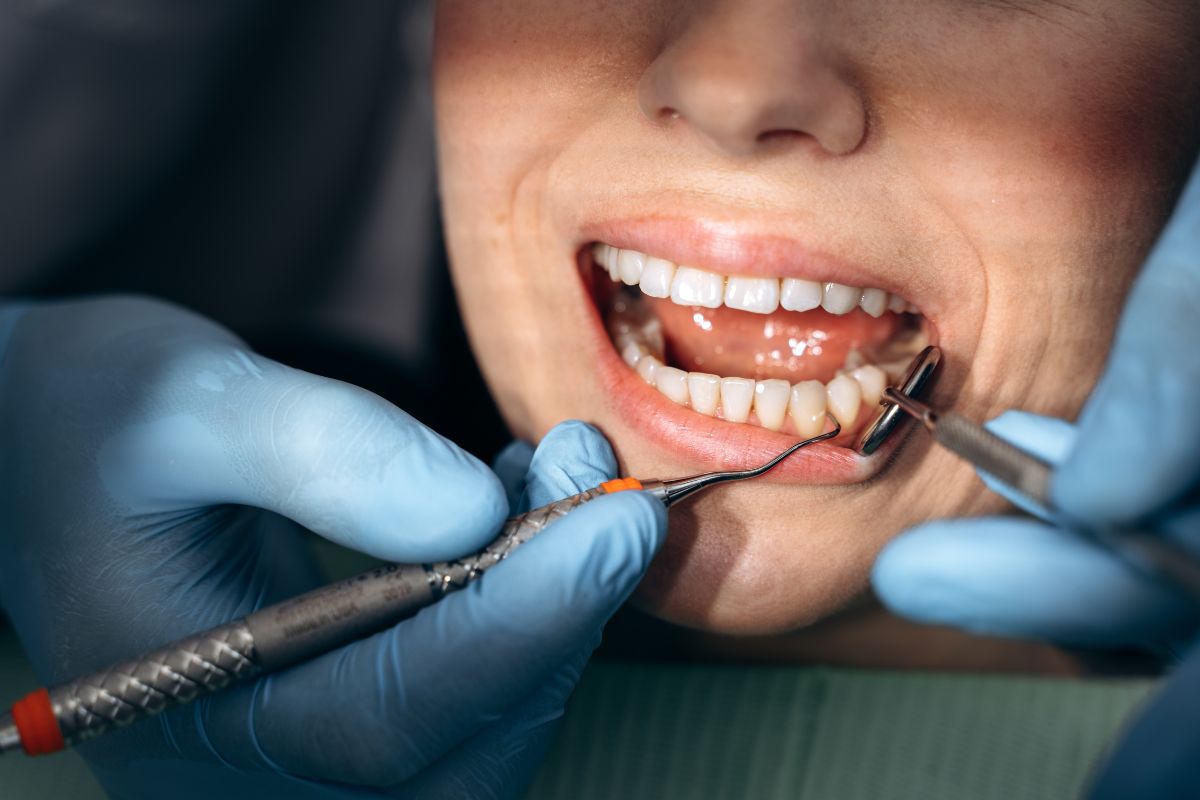
At LoPour & Associates DDS in Albuquerque, NM, the process should begin with understanding your concerns rather than choosing a procedure based only on photos or trends. Here are the key factors to consider when deciding on a cosmetic dental treatment.
Quick Answer: How Do You Choose the Right Treatment?
Start by identifying what you would like to change about your smile. Then consider your dental health, the condition of the teeth involved, your preferred treatment timeline, maintenance needs, and budget. A professional evaluation is important because the same cosmetic concern can sometimes be addressed in more than one way.
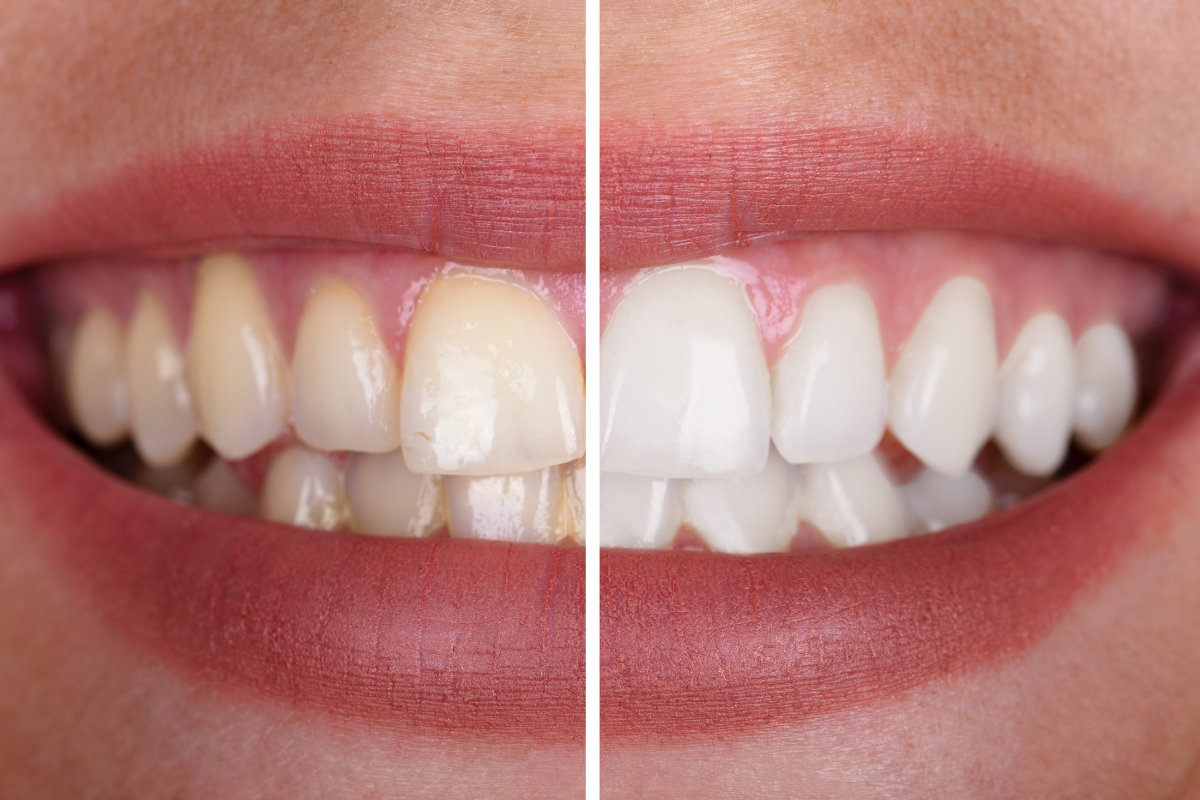
For example, discoloration may respond to whitening, while a tooth with a more significant color change or shape concern may require a different approach.
1. Start With the Specific Change You Want to Make
Before comparing cosmetic dental procedures, think about what bothers you most when you look at your smile.
Common concerns include:
- Teeth that look yellow or stained
- Small chips or worn edges
- Spaces between teeth
- Uneven tooth shape or size
- Teeth with discoloration that does not improve with routine cleaning
- Older visible dental work
- Several cosmetic concerns affecting the overall appearance of the smile
Being specific can make your consultation more productive. Instead of simply saying, “I want a better smile,” explain what you notice and what you would like to change.
You may also want to consider whether you are focused on one tooth or your entire smile. A single chipped tooth may call for a more conservative solution than someone looking to make multiple aesthetic changes.
2. Understand the Main Cosmetic Treatment Options
If you are unsure whether your smile concerns require cosmetic care or general dental treatment, understanding the difference between cosmetic dentistry vs. general dentistry can help you better understand your options and make a more informed decision.
Teeth Whitening
Professional teeth whitening may be considered when the main concern is tooth color. It can be a relatively straightforward option for patients whose teeth are otherwise healthy and who want a brighter-looking smile.
However, whitening may not change the color of crowns, veneers, fillings, or other existing restorations. The cause of discoloration can also affect whether whitening is likely to be appropriate.
Composite Bonding
Composite bonding uses a tooth-colored material to improve concerns such as small chips, minor gaps, or irregular tooth shape. It may be an option when a patient wants to make targeted cosmetic changes without addressing the entire smile.
The suitability of bonding depends on the location of the tooth, the amount of correction needed, and factors such as bite forces.
Dental Veneers
Veneers are thin restorations placed on the front surfaces of teeth to change their appearance. They may be considered for concerns involving tooth color, shape, size, or other visible imperfections.
Because veneers are a significant treatment decision, patients should understand the preparation process, long-term care requirements, and whether the treatment fits their specific dental needs.
Smile Makeovers
A smile makeover is not one specific procedure. It generally refers to a personalized treatment plan that may combine multiple cosmetic or restorative options.
For example, a patient may need to address tooth color, shape, spacing, or existing dental work. The exact combination of treatments should be based on the individual’s goals and oral health rather than a standard package.
3. Make Sure Your Oral Health Is Considered First
Cosmetic goals are important, but healthy teeth and gums provide the foundation for cosmetic treatment.
Issues such as untreated decay, gum problems, infection, or certain bite concerns may need attention before or alongside cosmetic procedures. A dentist can evaluate the overall condition of your mouth and explain whether treatment should be completed in stages.
This is one reason online before-and-after photos should not be used as the only guide for choosing treatment. Another person’s treatment plan may not be appropriate for your teeth, bite, or oral health.
4. Think About How Long You Want the Results to Last
Different treatments have different care requirements and expected service lives. Some cosmetic options may need periodic maintenance, repair, replacement, or touch-ups over time.
During your consultation, consider asking:
- How should I care for the treatment?
- What habits could affect its appearance or durability?
- Will I need future maintenance?
- Could the treatment need repair or replacement?
- How might my bite affect the treatment?
These questions can help you look beyond the immediate appearance of the result and better understand the long-term commitment involved.
5. Consider Your Timeline
Your timeline may influence which cosmetic dental procedures are practical.
Perhaps you have a wedding, graduation, professional event, or family occasion coming up. Some treatments may be completed more quickly than others, while more comprehensive plans can require multiple appointments.
It is helpful to share your timeline during your consultation, but avoid choosing a procedure solely because it seems fastest. The goal should be to find an option that appropriately addresses your needs while allowing enough time for proper planning and treatment.
6. Be Honest About Your Budget
Cost is an important consideration, and patients should feel comfortable discussing it.
Instead of asking only, “What is the cheapest option?” consider the value of understanding all appropriate options. A treatment that costs less initially may have different maintenance needs than another option, while a more extensive procedure may not be necessary for a minor cosmetic concern.
Ask your dental team to explain:
- Which treatment options may address your goals
- What each option involves
- Whether treatment can be completed in phases
- What future maintenance may be needed
Clear information can help you make a decision that fits both your smile goals and your practical circumstances.
7. Look at the Whole Smile, Not Just One Problem
Sometimes the concern that first brings you to the dental office is only part of the picture.
For example, you may initially focus on one chipped tooth but also notice uneven edges, discoloration, or older dental work once you begin discussing your goals. On the other hand, you may discover that a very small change is enough to give you the improvement you wanted.
A thoughtful cosmetic treatment plan should not pressure you into doing more dentistry than you need. The right plan is based on your goals, dental condition, and personal preferences.
8. Ask Questions During Your Cosmetic Consultation
A consultation is your opportunity to understand the treatment before making a decision. Useful questions include:
What are my options?
Ask whether more than one treatment may address your concern and how those options differ.
Why do you recommend this treatment?
Understanding the reasoning behind a recommendation can help you make a more informed choice.
What preparation is required?
Find out whether the procedure involves changes to the natural tooth structure and what that means for future care.
What results are realistic for my situation?
Every smile is different. Your dentist can discuss what may be reasonably achievable based on your teeth and oral health.
How do I care for my smile afterward?
Knowing the maintenance requirements before treatment can help you choose an option that fits your lifestyle.
How to Choose a Cosmetic Dentist in Albuquerque
When looking for cosmetic dental care in Albuquerque, NM, consider scheduling a consultation where you can discuss your concerns and ask detailed questions about your options.
Pay attention to whether the treatment recommendations are explained clearly and whether you understand the benefits, limitations, maintenance requirements, and possible alternatives. Cosmetic dentistry is personal, and you should have enough information to make a decision you feel comfortable with.
You may also want to see patient reviews on Google to learn more about the experiences local patients have shared when researching a dental practice.
Frequently Asked Questions
What is the best cosmetic dental treatment?
There is no single best cosmetic dental treatment for everyone. The right option depends on the concern being addressed, your oral health, the condition of your teeth, your treatment goals, and other individual factors.
How do I know if I need veneers or bonding?
Both treatments can address certain cosmetic concerns, but they work differently and may be appropriate in different situations. A dental examination can help determine which option, if either, may fit your needs.
Can teeth whitening fix all types of discoloration?
No. The cause and type of discoloration can affect how teeth respond to whitening. Existing crowns, fillings, veneers, and other restorations generally do not change color through whitening.
Is a smile makeover right for everyone?
Not necessarily. A smile makeover may be useful when several concerns need to be addressed, but some patients may achieve their goals with a single, more focused treatment.
Should I get a cosmetic consultation before choosing treatment?
Yes. A professional evaluation can help identify factors that may not be obvious when looking at your teeth at home, including oral health concerns, bite considerations, and the condition of existing dental work.