If you live in Albuquerque or nearby areas like Rio Rancho, Bernalillo, or Corrales, you may have heard that snoring is harmless but that’s not always true. In many cases, it can be a sign of a more serious condition that affects your breathing during sleep. Seeking sleep apnea treatment in Albuquerque early can make a major difference in your overall health and quality of life. Sleep apnea often goes undiagnosed because its symptoms occur while you’re asleep, but the effects can carry into your daily routine, impacting everything from energy levels to long-term wellness.
What’s Really Happening When You Stop Breathing at Night
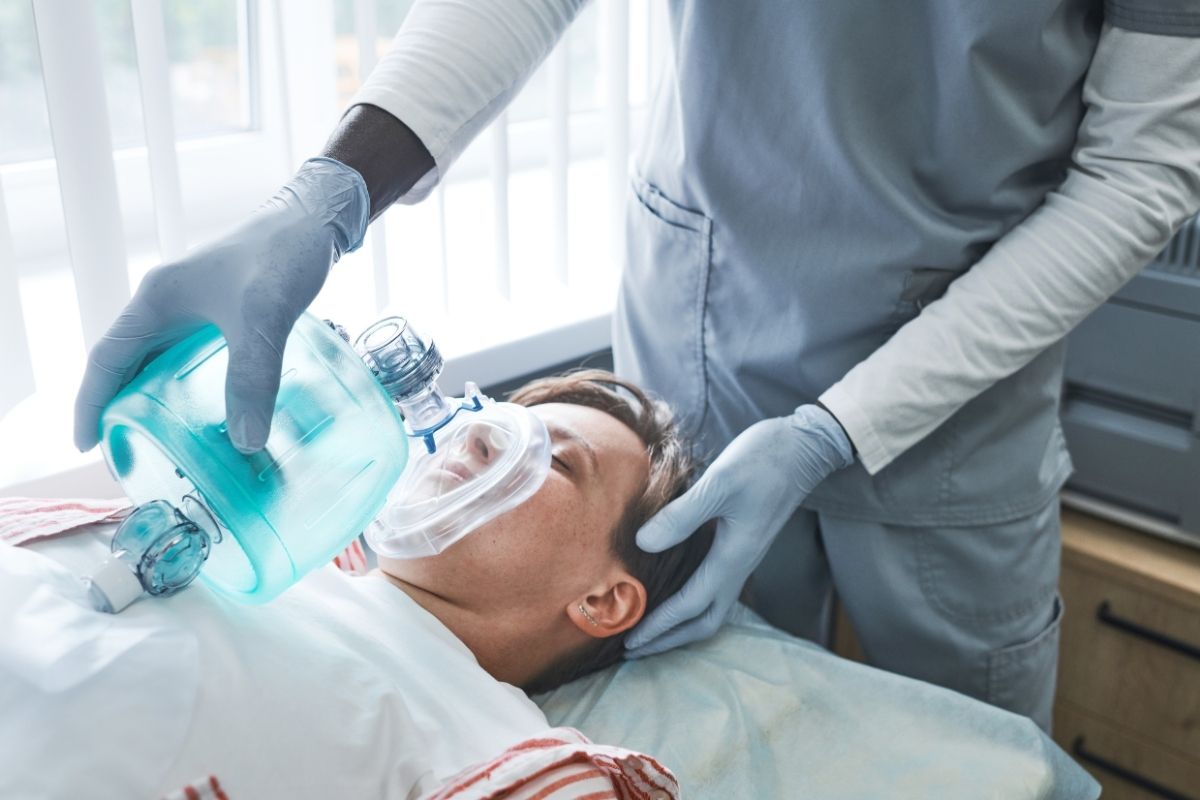
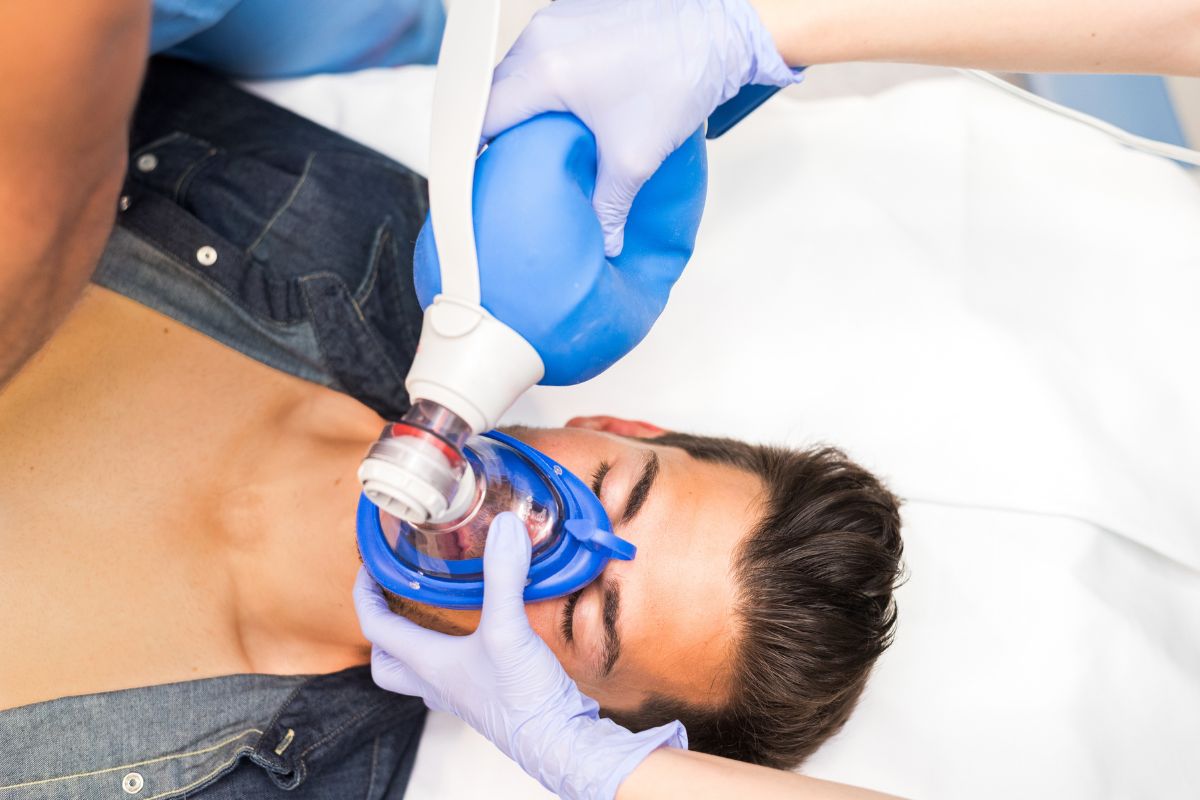
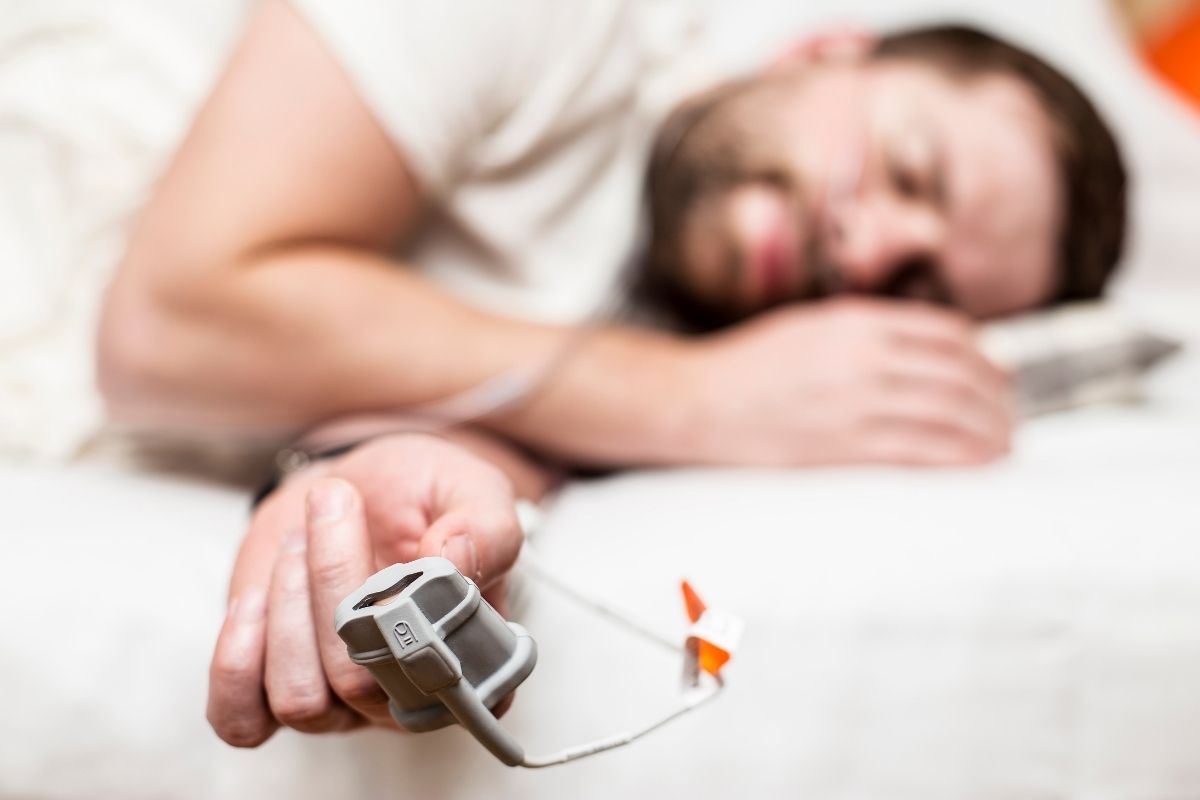
Sleep apnea occurs when your airway becomes partially or completely blocked while you sleep, or when your brain fails to properly signal your breathing muscles. These interruptions can last seconds or even minutes, repeating many times throughout the night.
The most common form involves relaxed throat muscles that collapse inward, restricting airflow. As oxygen levels drop, your brain briefly wakes you to restart breathing often without you realizing it. This cycle prevents you from reaching deep, restorative sleep.
While occasional snoring can be harmless, persistent loud snoring paired with choking or gasping sounds may indicate a more serious issue.
Common Warning Signs You Shouldn’t Ignore
Many people don’t realize they have sleep apnea until symptoms begin affecting their daily life. Some of the most common signs include:
- Loud, chronic snoring
- Waking up feeling unrefreshed
- Morning headaches
- Difficulty concentrating or memory issues
- Dry mouth or sore throat upon waking
- Excessive daytime fatigue
These sleep apnea symptoms are often mistaken for stress or poor sleep habits, which is why the condition frequently goes undiagnosed.
The Hidden Health Risks That Build Over Time
Ignoring sleep apnea doesn’t just lead to poor sleep; it can also gradually impact your entire body. Over time, untreated cases may contribute to:
Cardiovascular Strain
Repeated drops in oxygen levels force your heart to work harder. This can increase the risk of high blood pressure, irregular heart rhythms, heart attacks, and stroke.
Metabolic Complications
Sleep disruptions can interfere with how your body processes glucose, raising the risk of insulin resistance and conditions like type 2 diabetes.
Cognitive and Emotional Effects
Lack of quality sleep affects brain function. Many people experience irritability, anxiety, depression, and difficulty focusing during the day.
Increased Risk of Accidents
Daytime drowsiness can slow reaction times, increasing the likelihood of car accidents or workplace injuries.
According to the Centers for Disease Control and Prevention, insufficient sleep and sleep disorders are linked to several chronic health conditions, emphasizing the importance of early diagnosis and treatment.
Why This Condition Affects More Than Just Your Sleep
Sleep apnea doesn’t just impact the person experiencing it it can also affect loved ones. Partners often lose sleep due to loud snoring or sudden gasping sounds, which can strain relationships over time.
Additionally, the condition may worsen other existing health issues, including weight gain, acid reflux, and weakened immunity. Because the body isn’t getting enough oxygen during sleep, vital systems are placed under constant stress.
Understanding Risk Factors and Who Is Most Vulnerable
While sleep apnea can affect anyone, certain factors increase your risk:
- Excess body weight
- Narrow airway or jaw structure
- Smoking or alcohol use
- Chronic nasal congestion
- Family history of sleep disorders
- Aging
It’s important to note that even individuals who are not overweight can develop sleep apnea due to anatomical or genetic factors.
How Dentists Play a Role in Better Sleep Health
Many people are surprised to learn that dentists can help identify and manage sleep-related breathing issues. During routine exams, dental professionals may notice signs like teeth grinding, jaw positioning, or airway restrictions.
For patients diagnosed with Sleep Apnea Disorder, oral appliance therapy is a non-invasive option that can help keep the airway open during sleep. These custom devices are designed for comfort and convenience, making them a popular alternative to more complex treatments.
Why Early Action Makes a Big Difference
The earlier sleep apnea is addressed, the easier it is to prevent long-term complications. Treatment can significantly improve sleep quality, boost energy levels, and reduce the risk of serious health conditions.
Ignoring symptoms, on the other hand, allows the condition to progress often silently until more severe issues arise. That’s why paying attention to early warning signs is so important.
Conclusion
Sleep apnea is far more than a nighttime inconvenience; it’s a serious condition that can affect your heart, brain, and overall well-being if left untreated. The good news is that with proper diagnosis and care, it’s highly manageable. If you or a loved one is experiencing symptoms, taking action now can protect your long-term health and restore restful sleep. To learn more or explore your options, reach out to LoPour & Associates DDS – Smiles by Design and take the first step toward healthier, more refreshing nights.
You can also find us easily on Google Maps for directions and convenient access to our office.