
Parents in Albuquerque often want the very best for their child’s smile, especially when cosmetic concerns like chipped or discolored teeth arise. If you’ve been searching for guidance from a children’s dentist, you’re not alone. Many families wonder whether dental veneers are a safe or appropriate option for kids. While veneers are widely known for adult smile makeovers, their use in younger patients requires careful thought. This blog breaks down what veneers are, when they may be considered, and what safer alternatives might be available for growing smiles.
What Are Dental Veneers and How Do They Work?
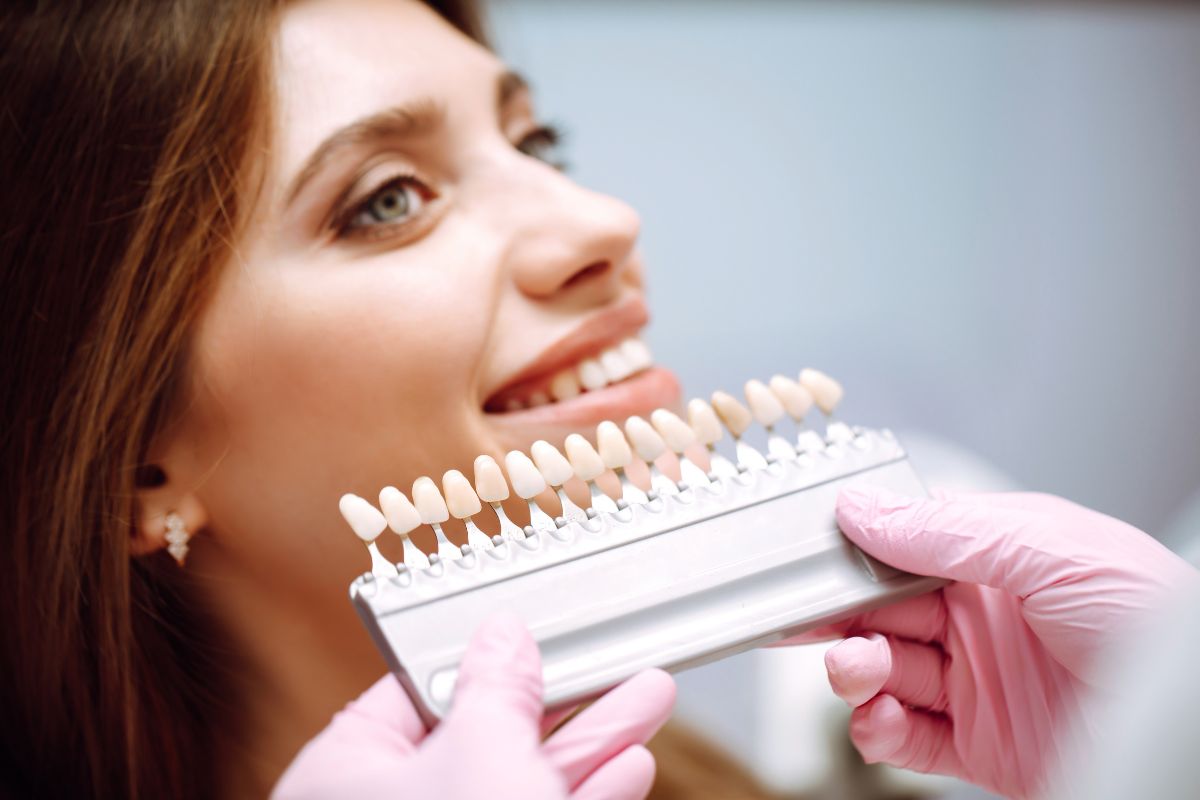
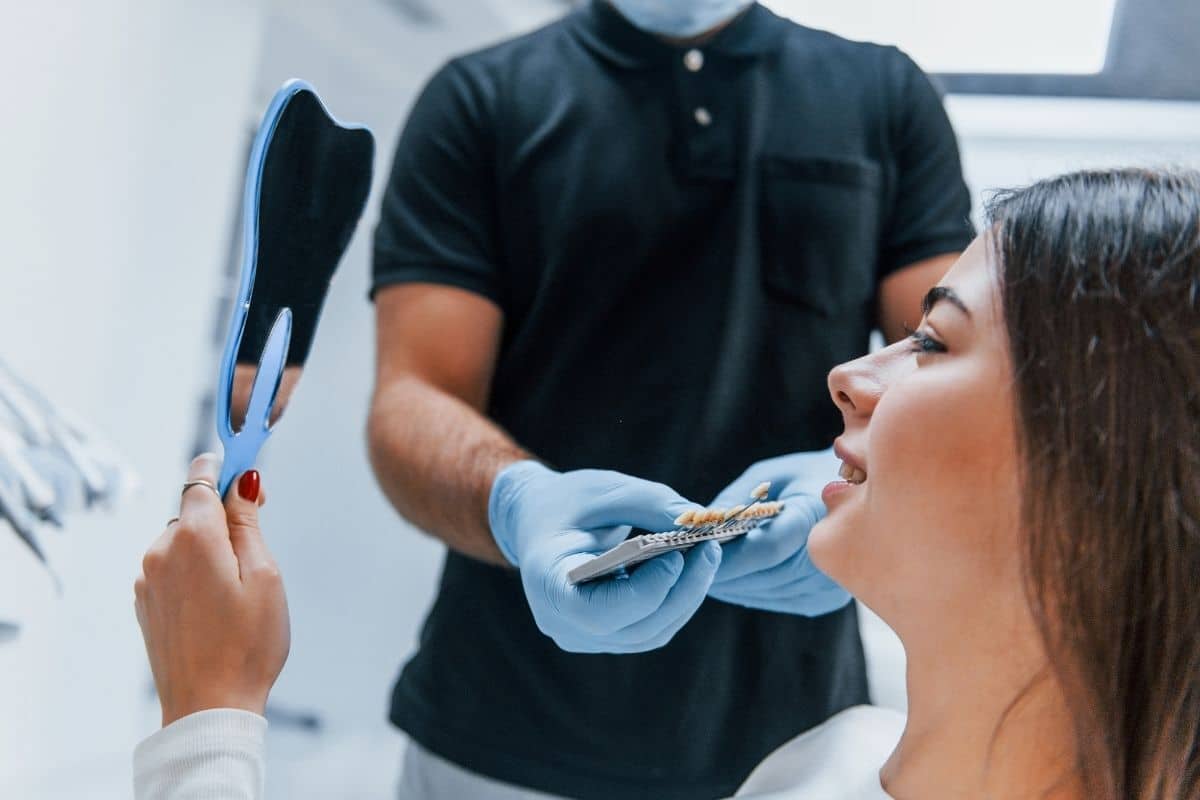
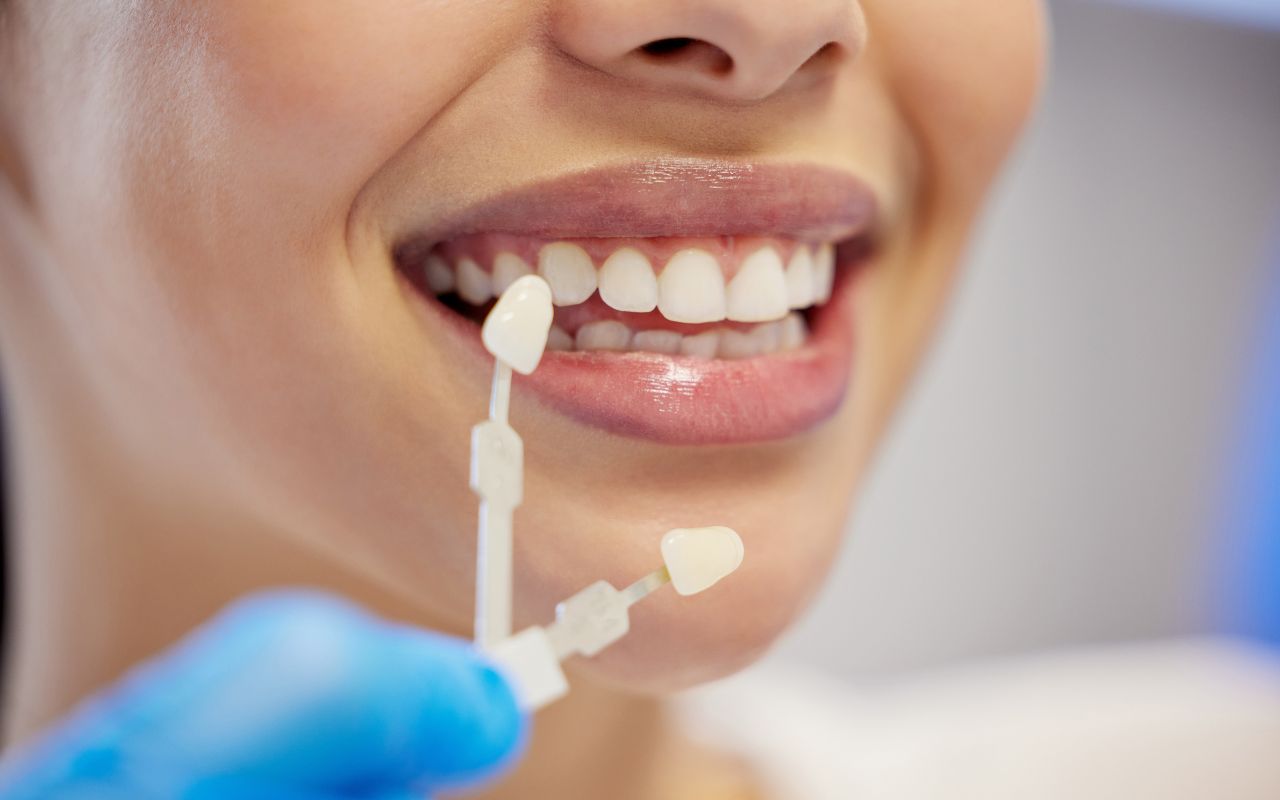
Dental veneers are thin, custom-made shells that are bonded to the front surface of teeth to improve their appearance. They are commonly made from porcelain or tooth-colored composite resin and are designed to correct concerns like:
- Discoloration that doesn’t respond to whitening
- Minor chips or cracks
- Uneven or irregularly shaped teeth
- Small gaps between teeth
Veneers are popular because they can quickly transform a smile. However, they typically require removing a small amount of enamel, which makes the process irreversible, and an important consideration for children whose teeth are still developing.
Are Veneers Appropriate for Growing Smiles?
Children’s teeth and jaws are constantly changing as they grow. Because of this, veneers are usually not the first choice for younger patients. Most dental professionals recommend waiting until:
- All permanent teeth have erupted
- Jaw growth is nearly complete
- Oral hygiene habits are well established
Placing veneers too early can lead to complications, such as improper fit over time or the need for frequent replacements. Since veneers can last 5–15 years, depending on the material, younger patients may require multiple replacements throughout their lifetime.
Situations Where Veneers May Be Considered
Although uncommon, there are specific scenarios where veneers might be discussed for older children or teenagers:
- Severely discolored teeth that don’t respond to other treatments
- Noticeable chips or damage affecting appearance and confidence
- Minor cosmetic irregularities not requiring orthodontics
In these cases, a dentist will carefully evaluate the child’s oral health, growth stage, and long-term needs before recommending veneers.
Understanding the Impact on Oral Health
Veneers are primarily a cosmetic solution, but they can also provide some protective benefits for weakened enamel. However, there are important factors to keep in mind:
- Enamel removal is permanent and cannot be reversed
- Veneers require excellent oral hygiene to prevent decay around them
- They do not fix underlying dental issues like cavities or gum disease
According to the American Dental Association, maintaining strong natural tooth structure is always a priority, especially in children. That’s why conservative treatments are typically preferred first.
Emotional and Confidence Benefits
A child’s smile plays a big role in their self-esteem. Cosmetic improvements, whether through veneers or other treatments, can help children feel more confident in social settings, school activities, and everyday interactions.
When kids feel good about their smile, they’re more likely to:
- Smile freely and express themselves
- Engage confidently with peers
- Develop a positive self-image
That said, emotional benefits should always be balanced with long-term dental health considerations.
Safer and More Common Alternatives
In most cases, dentists recommend less invasive treatments before considering veneers. A Pediatric dentist may suggest options such as:
- Dental bonding: A tooth-colored resin used to repair chips or reshape teeth
- Teeth whitening: For managing discoloration safely
- Orthodontic treatment: Braces or clear aligners to fix alignment and spacing
- Enamel microabrasion: A gentle method for improving surface stains
These alternatives preserve natural tooth structure and are better suited for growing smiles.
Key Questions Parents Should Ask
If you’re considering cosmetic dental options for your child, it’s helpful to ask:
- Is my child’s mouth still developing?
- Are there less invasive options available?
- What are the long-term effects of this treatment?
- How will this impact future dental care?
A thorough consultation ensures that any decision supports both immediate concerns and long-term oral health.
Conclusion
While veneers can offer dramatic cosmetic improvements, they are rarely the first choice for children due to ongoing dental development and the permanence of the procedure. Safer, more conservative treatments are often better suited for young patients and can still deliver excellent results. If you’re exploring options for your child’s smile, a professional evaluation is the best place to start.
The team at Smiles by Design can help you understand the most appropriate solutions for your child’s unique needs so be sure to visit our experienced albuquerque nm dentist for quality care and take the next step toward a healthy, confident smile.