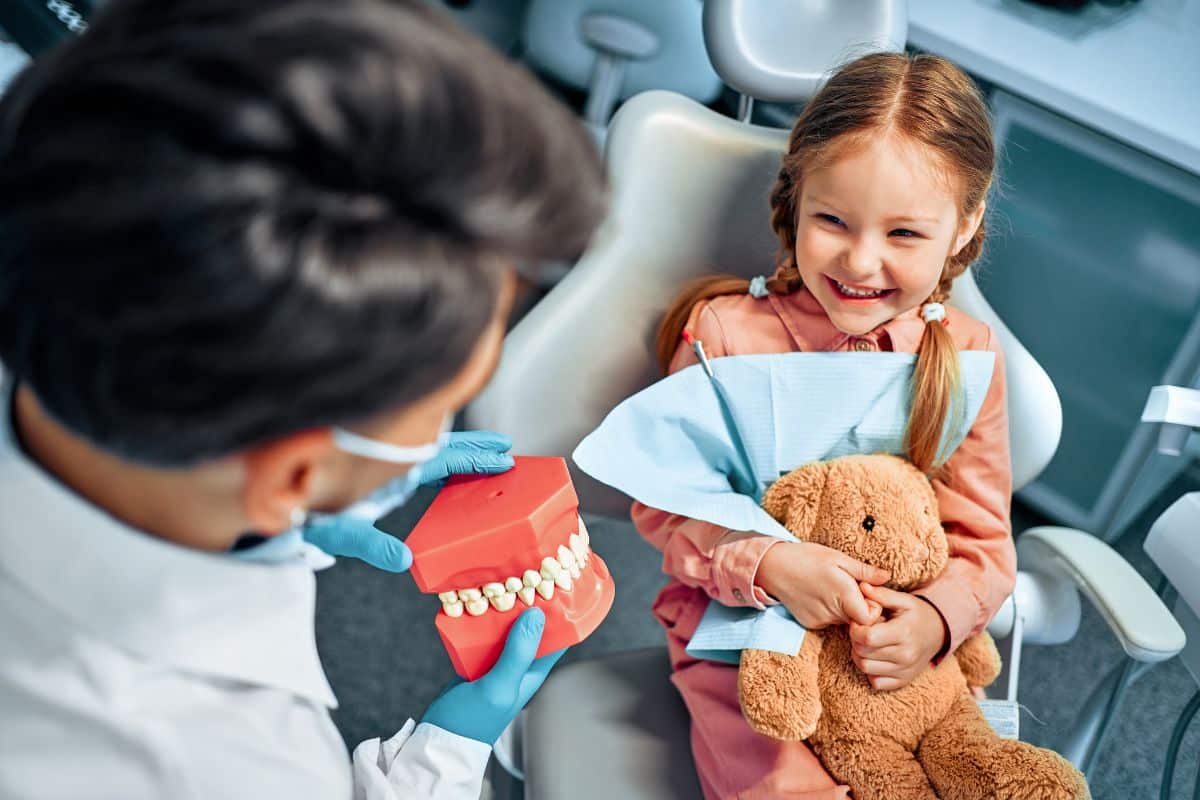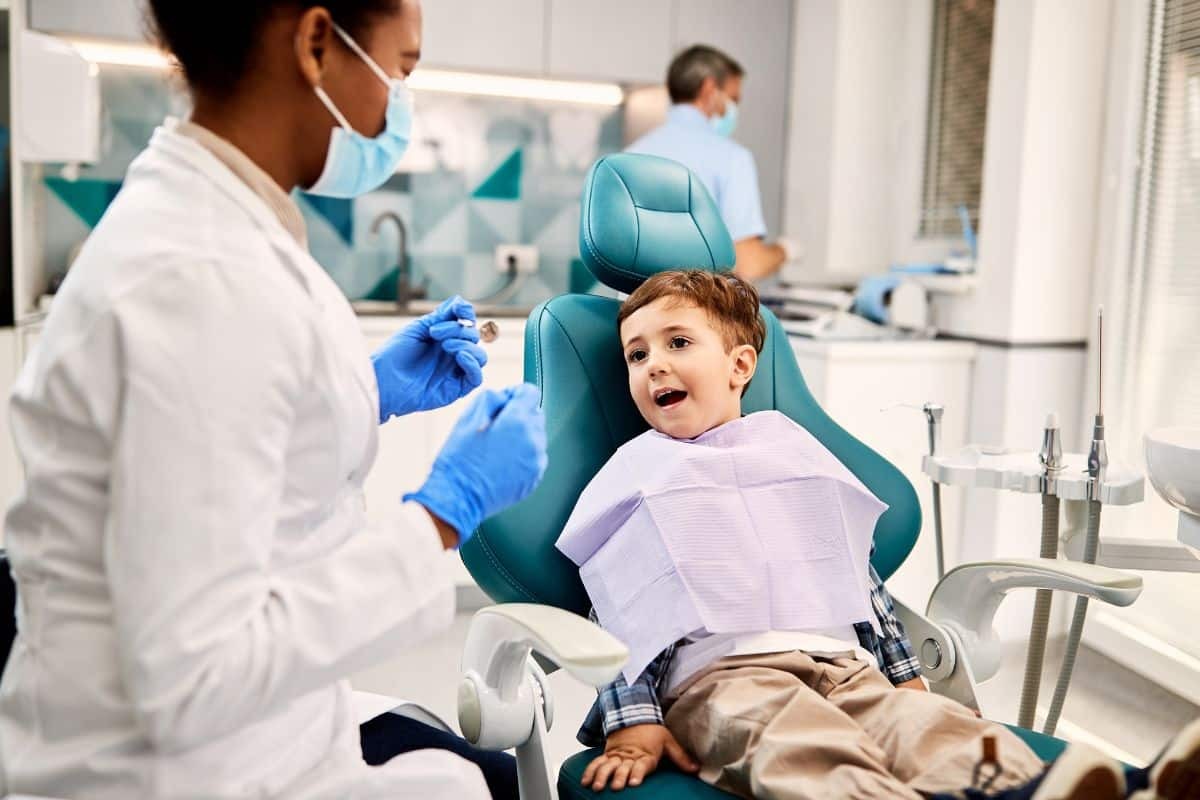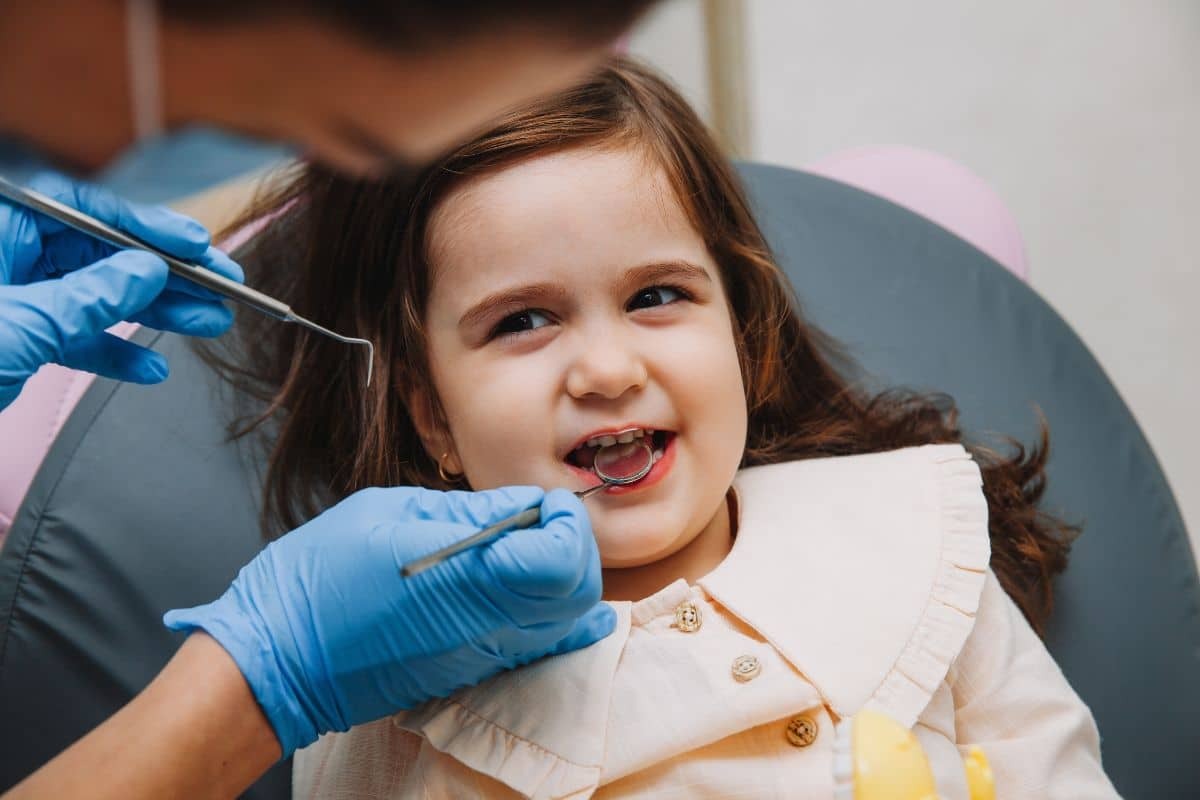


As a parent, it’s natural to wonder when your child should have their very first dental appointment. Many families in Albuquerque and nearby communities like Rio Rancho, Los Lunas, and Corrales are surprised to learn that dental care should begin much earlier than expected. According to dental experts, children should see a dentist by their first birthday or within six months after their first tooth appears. Visiting a pediatric dentist in Albuquerque early helps establish healthy habits, monitor oral development, and prevent future dental problems before they begin.
Why Early Dental Visits Matter More Than Many Parents Realize
Baby teeth may be temporary, but they play a major role in your child’s overall health and development. These teeth help children chew properly, learn to speak clearly, and guide permanent teeth into their correct positions.
Early dental visits allow dentists to identify potential concerns before they become serious. Cavities can develop surprisingly quickly in infants and toddlers, especially when sugary drinks, bedtime bottles, or prolonged sippy cup use are involved. Even small areas of decay can lead to discomfort, infections, and difficulties eating or sleeping.
Starting dental visits early also helps children become comfortable in a dental setting. Familiarity with the environment often reduces anxiety and builds confidence for future appointments.
The Recommended Age for the First Appointment
The American Academy of Pediatric Dentistry recommends scheduling a child’s first dental visit no later than age one. In many cases, this means seeing the dentist shortly after the first tooth erupts.
This first appointment is usually simple, gentle, and educational. Rather than focusing on treatment, the visit is designed to monitor development and help parents learn the best ways to care for their child’s growing smile.
Early appointments can also help detect issues such as:
- Early childhood cavities
- Teething concerns
- Bite or jaw development issues
- Thumb-sucking or pacifier habits
- Problems with enamel formation
The sooner these concerns are identified, the easier they are to manage.
What Parents Can Expect During the First Visit
A child’s first dental appointment is typically short and relaxed. Most dentists use a “knee-to-knee” approach where the child sits comfortably with a parent during the exam.
During the visit, the dentist may:
- Examine the gums, teeth, and jaw development
- Check for early signs of decay
- Discuss feeding and nutrition habits
- Demonstrate proper brushing techniques
- Talk about fluoride use and cavity prevention
- Answer questions about teething or oral habits
Some children may also receive a gentle cleaning or fluoride treatment depending on their age and dental needs.
The goal is to create a positive experience while giving parents the information they need to support strong oral health at home.
Common Habits That Can Affect Oral Health
Many everyday habits can influence a child’s dental development. While some are harmless, others may increase the risk of cavities or alignment concerns.
Parents should pay close attention to habits such as:
Frequent Sugary Drinks
Juice, flavored milk, and sweetened beverages can expose teeth to sugars throughout the day. Even natural sugars can contribute to tooth decay when they remain on the teeth for long periods.
Water is usually the best option between meals.
Bedtime Bottles
Allowing a child to sleep with a bottle containing milk or juice can increase the risk of early childhood tooth decay. During sleep, reduced saliva flow allows sugars to remain on the teeth longer.
Thumb-Sucking and Pacifier Use
These habits are common in young children, but prolonged use may affect tooth alignment or jaw development over time. Dentists can offer guidance on when and how to gently transition away from these habits.
Creating Healthy Dental Habits at Home
Strong oral health begins long before permanent teeth appear. Establishing a routine early helps children understand that dental care is a normal part of everyday life.
Parents can support healthy smiles by:
- Cleaning gums before teeth erupt
- Brushing twice daily with a soft toothbrush
- Using a rice-sized amount of fluoride toothpaste for infants
- Scheduling routine dental checkups
- Limiting sticky snacks and sugary drinks
- Encouraging water after meals
Many children dentists professionals also recommend making brushing fun through songs, rewards, or family brushing routines.
Signs Your Child May Need a Dental Evaluation Sooner
While the first visit is recommended by age one, some children may need earlier attention if symptoms appear.
Parents should contact a dental professional if they notice:
- White or brown spots on the teeth
- Persistent bad breath
- Swollen or bleeding gums
- Difficulty eating or chewing
- Tooth discoloration
- Delayed tooth eruption
- Dental injuries from falls or accidents
Addressing these concerns early can help prevent discomfort and reduce the need for more extensive treatment later.
Helping Children Feel Comfortable About Dental Visits
Many parents worry their child will feel nervous during a dental appointment. Fortunately, there are several ways to help create a positive experience.
Before the visit:
- Speak positively about the dentist
- Avoid using scary or negative words
- Read books about dental visits together
- Schedule appointments during your child’s best time of day
- Bring a favorite comfort item if needed
Children often respond well when parents remain calm and encouraging. Positive early experiences can help build lifelong confidence around dental care.
The Long-Term Benefits of Starting Early
Preventive dental care during infancy and early childhood offers benefits that extend well beyond baby teeth.
Children who receive regular dental care early in life may experience:
- Lower risk of cavities
- Improved oral hygiene habits
- Reduced dental anxiety
- Better speech and chewing development
- Healthier permanent teeth in the future
Early dental visits also provide parents with trusted guidance as their child grows and their oral health needs change.
For additional information about children’s oral health recommendations, parents can visit the American Academy of Pediatric Dentistry.
Conclusion
A child’s first dental visit is an important step toward building healthy habits and protecting long-term oral health. Scheduling an appointment by the first birthday allows parents to receive helpful guidance while giving children a comfortable introduction to dental care. From monitoring development to preventing cavities, early visits can make a lasting difference in your child’s smile and confidence. If you have questions about your child’s oral health or would like to schedule a visit, contact us today at LoPour & Associates DDS – Smiles by Design to learn more about caring for your child’s growing smile.