
Losing a tooth can affect more than the appearance of your smile. It may make chewing certain foods uncomfortable, change the way you speak, or leave you feeling less confident about showing your teeth. Fortunately, modern tooth replacement options can help restore both function and appearance.
Among these options, dental implants stand out because they replace the tooth root as well as support a replacement tooth. For people exploring dental implants treatment in Albuquerque, understanding the benefits can make it easier to decide whether this approach is worth discussing with a dental professional.
At LoPour & Associates DDS, patients can explore tooth replacement options based on their oral health, goals, and individual circumstances. Here are seven important benefits to consider before choosing a solution for missing teeth.
Quick Answer: What Are the Benefits of Dental Implants?
Dental implants offer several advantages for replacing missing teeth. They can provide stable support for replacement teeth, improve chewing ability, restore the appearance of a smile, and help limit jawbone loss after tooth loss. They also avoid the need to rely on neighboring teeth for support, as traditional tooth-supported bridges do. Suitability depends on your oral health and treatment needs.
1. A Natural-Looking, Confident Smile
One of the most noticeable benefits of dental implants is their ability to restore the appearance of a missing tooth. An implant-supported crown is designed to resemble a natural tooth, including its shape, size, and color.
When planned carefully, the replacement tooth can blend with the surrounding teeth, making the gap less noticeable. This can be particularly meaningful when a missing tooth is visible while smiling, speaking, or laughing.
Dental implants may also support larger restorations, depending on the treatment plan. People missing several teeth may be candidates for implant-supported bridges or dentures.
What to keep in mind: The final appearance depends on factors such as gum health, the position of the implant, the restoration, and the condition of nearby teeth. Your dentist can discuss realistic cosmetic expectations before treatment begins.
2. Improved Chewing and Everyday Function
Missing teeth can make eating certain foods difficult. Depending on which teeth are missing, you may find yourself chewing on one side of your mouth or avoiding foods that require more biting force.
Dental implants are anchored in the jawbone, providing stable support for the replacement tooth once healing and restoration are complete. Unlike removable dentures that may shift during use, implant-supported teeth are designed to remain in place during normal function.
This stability can make everyday activities such as chewing and speaking more comfortable for suitable patients.
However, implants do not immediately restore full chewing function after placement. Healing time, the type of restoration, and your dentist’s instructions all influence when you can resume your usual diet.
3. Help Preserve the Jawbone After Tooth Loss
Your jawbone responds to the forces created when you chew. When a natural tooth is lost, the bone in that area may gradually shrink because it no longer receives the same stimulation from the tooth root.
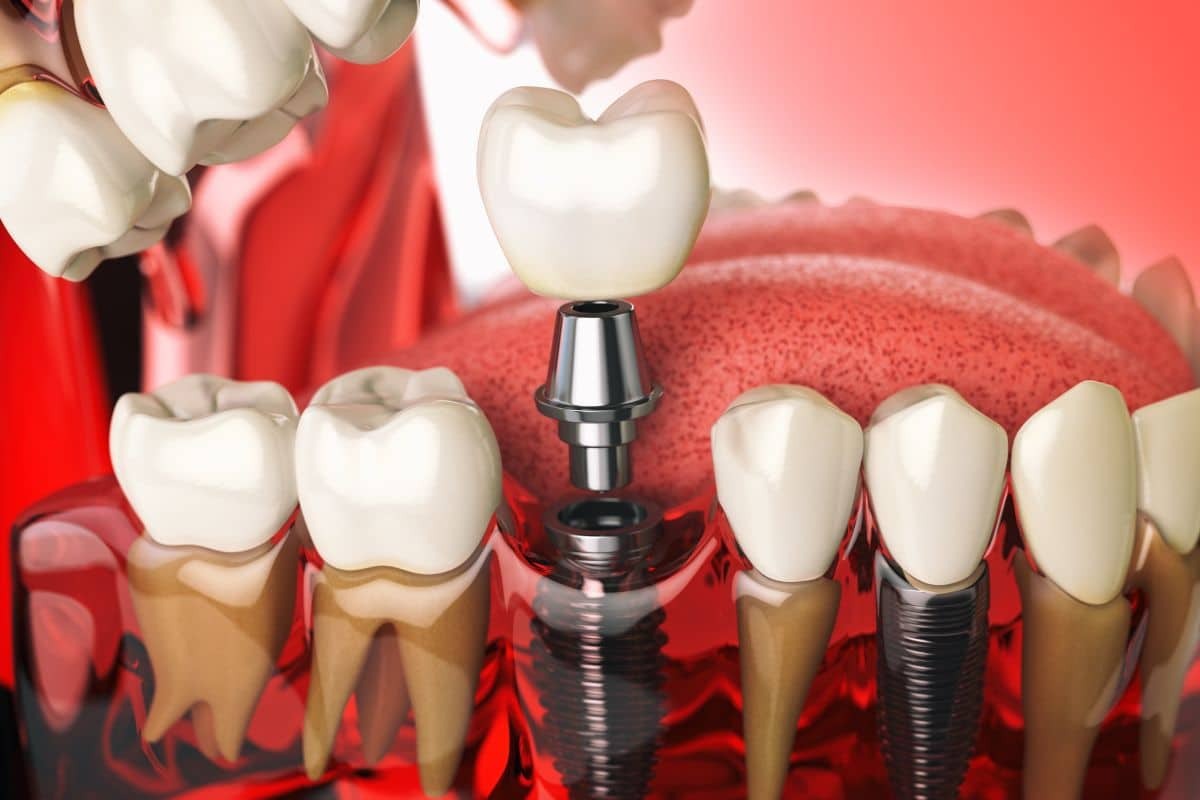
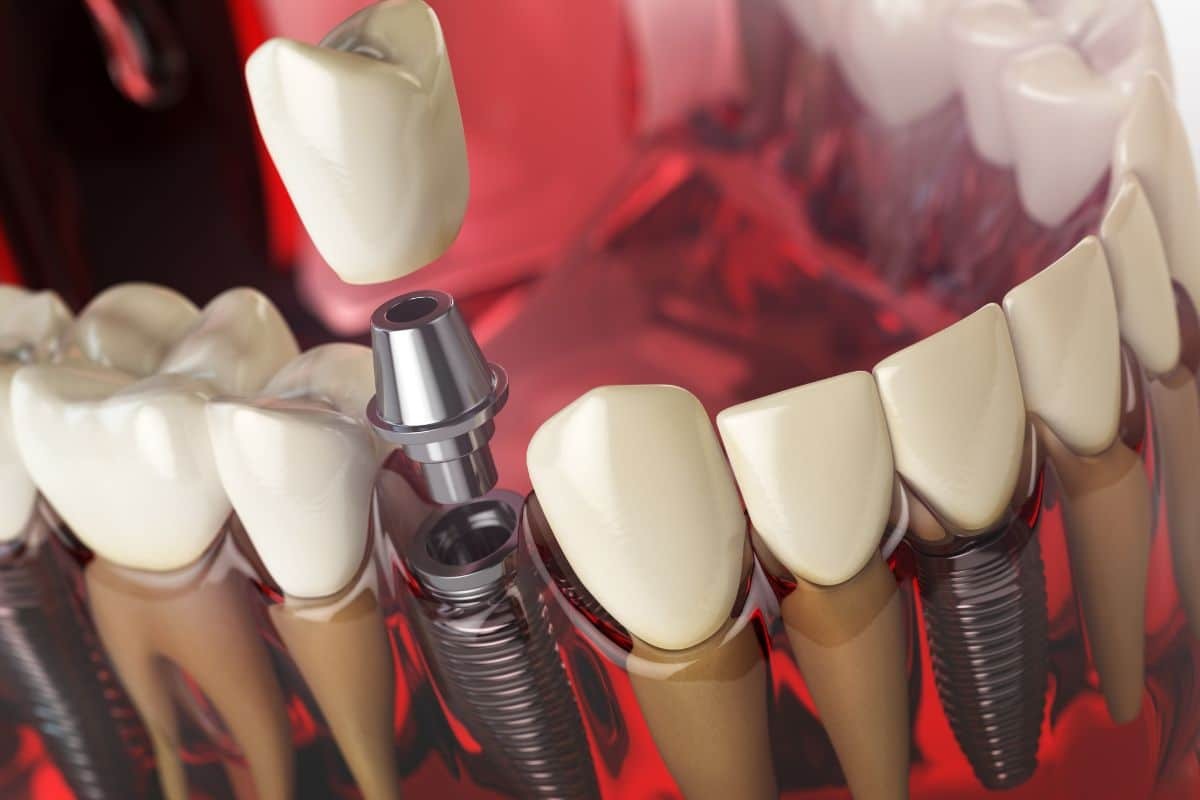
A dental implant acts as an artificial tooth root. After it integrates with the surrounding bone, it can transmit functional forces to the jaw, helping maintain the bone around the implant.
This is an important distinction between implants and replacement options that sit above the gums without replacing the tooth root.
Implants cannot guarantee that all bone loss will be prevented, and they do not automatically restore bone that has already been lost. In some cases, additional procedures may be needed before implant placement. A dental examination and appropriate imaging help determine the condition of the jawbone.
4. They Do Not Require Reshaping Neighboring Teeth
A traditional dental bridge typically relies on neighboring teeth to support a replacement tooth. Depending on the bridge design, those supporting teeth may need to be reshaped to accommodate crowns.
Dental implants offer a different approach. An individual implant supports its own replacement tooth without requiring the adjacent teeth to serve as anchors.
This can be an advantage for patients whose neighboring teeth are healthy and do not otherwise need crowns.
That said, an implant is not automatically the best option for every missing tooth. A bridge may be more appropriate in certain circumstances, depending on the condition of the surrounding teeth, available bone, treatment time, and budget. Comparing the options with your dentist can help you make an informed decision.
5. A Long-Term Tooth Replacement Option
Another important benefit of dental implants is their potential for long-term use. With appropriate placement, regular dental care, and good oral hygiene, implants can remain functional for many years.
The implant itself and the visible replacement tooth are different components. The implant fixture is placed in the jawbone, while a crown, bridge, or denture provides the visible chewing surface. These components may have different maintenance and replacement needs.
To support the longevity of your restoration:
- Brush twice daily with a fluoride toothpaste.
- Clean between your teeth and around the implant every day.
- Attend routine dental checkups and professional cleanings.
- Avoid smoking, which can interfere with healing and increase the risk of implant complications.
- Follow your dentist’s advice if you grind or clench your teeth.
Implants are not maintenance-free. Gum inflammation, infection around an implant, excessive biting forces, and other issues can affect their long-term success.
6. Support Clear Speech and Greater Stability
Missing teeth can sometimes affect pronunciation, especially when the gap involves teeth used to form particular sounds. Removable dentures may also move during speaking if they do not fit securely.
Because dental implants support fixed replacement teeth or help stabilize certain dentures, they may improve speech and reduce concerns about movement for appropriate patients.
The result depends on the location and number of missing teeth, the type of restoration, and how well it fits. People receiving implant-supported dentures may still need an adjustment period to become comfortable speaking with the new restoration.
If speech changes are a concern, discuss them during your consultation so your dentist can consider them when planning treatment.
7. Greater Comfort and Confidence in Daily Life
A missing tooth can influence how you feel about smiling, eating with other people, or speaking in social situations. Some people also feel self-conscious about removable restorations or worry that their teeth may shift while eating.
For suitable patients, dental implants can provide a stable and natural-looking replacement that becomes part of their everyday routine after treatment and healing.
This may make daily activities feel easier and help patients feel more comfortable with their smiles. The benefits are not limited to appearance; they can also include practical improvements in how a person manages meals and oral hygiene.
Still, dental implants require a commitment to follow-up care. Your dentist will explain what to expect during healing, how to care for your restoration, and which habits may affect its long-term health.
Are Dental Implants Right for You?
Although dental implants offer several advantages, not everyone is an immediate candidate. Your dentist will evaluate your gums, jawbone, general health, and the condition of your remaining teeth.
Some patients may need treatment for gum disease or additional procedures, such as bone grafting, before implant placement. Certain medical conditions, medications, smoking habits, and oral hygiene challenges may also influence treatment planning.
If you are considering tooth replacement, learning more about how dental implants work can help you understand the main stages, from consultation and implant placement to healing and the final restoration.
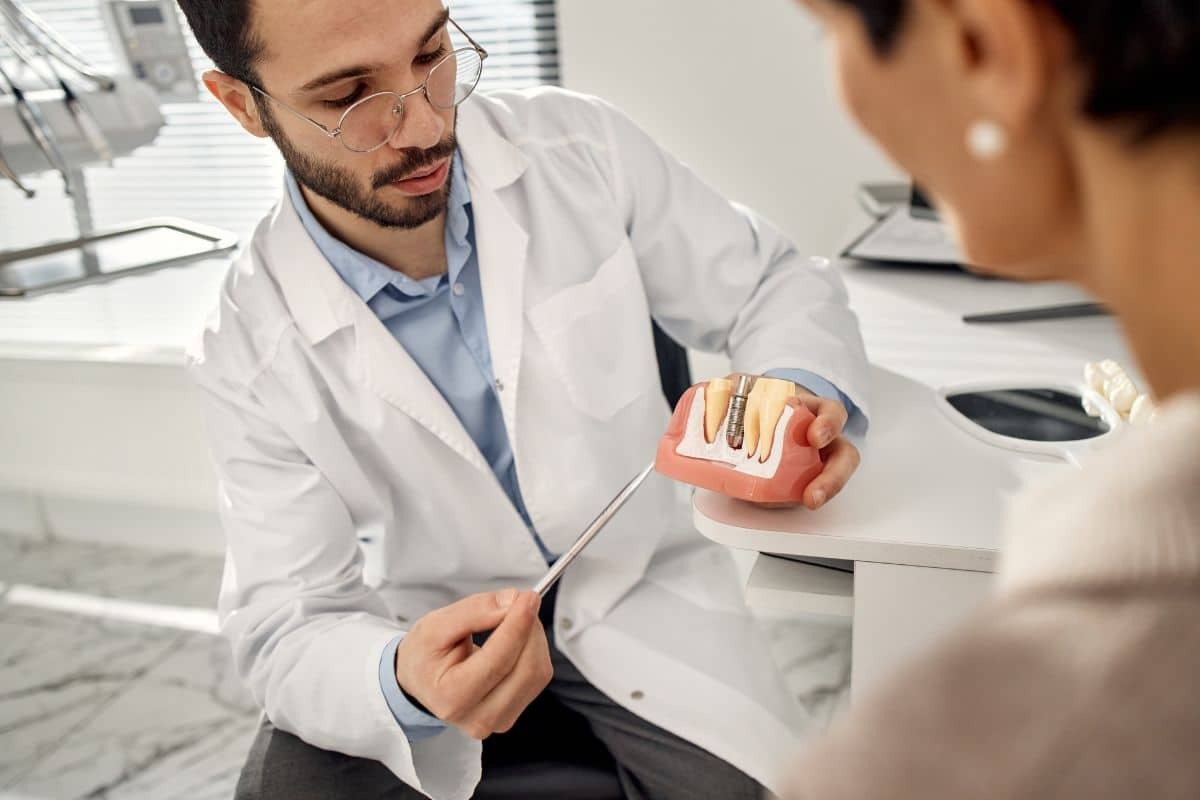
During your consultation at LoPour & Associates DDS in Albuquerque, NM, ask about the expected timeline, available alternatives, total costs, and maintenance requirements. A personalized assessment is the best way to determine which option fits your needs.
Frequently Asked Questions About Dental Implants
How long do dental implants last?
Dental implants can last for many years with proper care, but their longevity varies. The implant fixture and the visible crown may have different lifespans. Regular dental visits, daily cleaning, healthy gums, and avoiding smoking can help maintain your restoration.
Are dental implants better than dentures?
It depends on your needs. Dental implants offer fixed support and may help preserve jawbone in the treated area. Dentures are removable and may be more suitable for some patients because of cost, health considerations, or bone availability. Your dentist can compare both options based on your circumstances.
Is getting a dental implant painful?
Implant placement is generally performed with local anesthesia to manage discomfort during the procedure. Some soreness, swelling, or tenderness afterward is possible. Your dentist will explain appropriate aftercare and pain-management options based on your treatment.
How much do dental implants cost in Albuquerque, NM?
The cost depends on the number of implants, the type of restoration, the condition of your jawbone, and whether additional procedures are needed. Ask your dental provider for an individualized treatment plan and a breakdown of fees before proceeding.
Restore Your Smile With a Personalized Tooth Replacement Plan
The benefits of dental implants extend beyond filling a gap. For appropriate patients, they can restore the appearance of missing teeth, improve chewing stability, help preserve the jawbone, and provide a long-term tooth replacement option.
The right treatment, however, depends on your oral health, preferences, and budget. Comparing implants with bridges and dentures can help you understand the advantages and limitations of each approach.
If you are considering replacing missing teeth, LoPour & Associates DDS can help you explore your options. Visit the practice’s dental implant treatment page to learn more, or find the office and explore patient feedback on Google.
Schedule a consultation to discuss your goals and find out whether dental implants may be an appropriate choice for your smile.