
Choosing a provider for dental implants in Albuquerque is an important decision. A dental implant is more than a replacement tooth; it involves careful planning, surgical placement, healing, and a final restoration designed to work with your bite and smile.
With several dental offices offering implant treatment, it can be difficult to know what to look for. The right provider should take time to understand your needs, explain your options clearly, evaluate your oral health, and create a treatment plan based on your individual situation.
Whether you need to replace one missing tooth or are considering implants to support a bridge or denture, knowing what questions to ask can help you make a confident choice.
Quick Answer
The right dental implant provider should have relevant experience, a thorough evaluation process, appropriate technology, clear treatment planning, transparent cost information, and a patient-centered approach. Look for a provider who explains the procedure, possible risks, healing process, and aftercare before recommending treatment.
What Should You Look for in a Dental Implant Provider?
Not every implant case is the same. Your provider should assess your gums, jawbone, existing teeth, bite, and overall oral health before recommending treatment.
Here are several factors to consider.
1. Experience With Dental Implant Treatment
Ask how often the provider performs or manages implant treatment and what types of cases they handle. Experience can be particularly important when a patient has multiple missing teeth, limited bone, gum disease, or other oral health concerns.
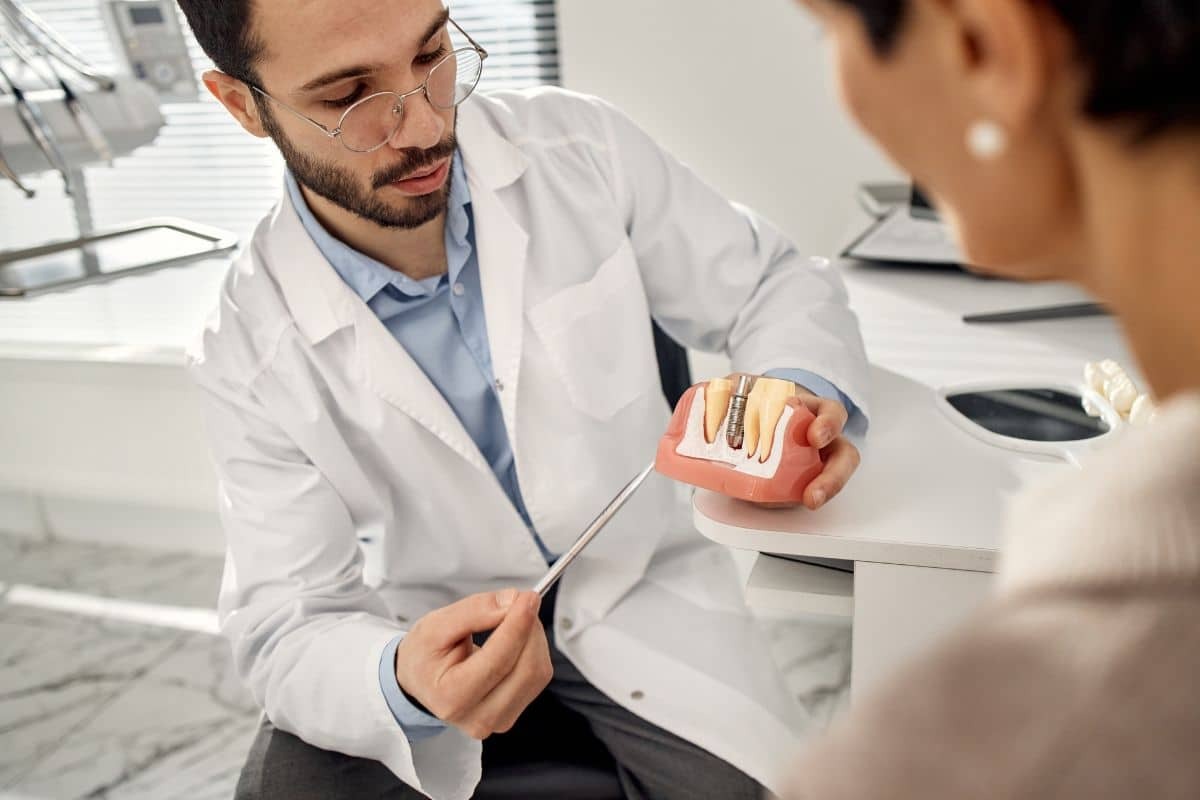
At LoPour & Associates DDS, the practice provides implant treatment for patients who need to replace individual teeth as well as those who need support for partials or dentures. The practice’s implant approach includes individualized treatment planning.
2. A Complete Dental Evaluation
A good implant consultation should go beyond simply looking at the missing tooth.
Your provider may evaluate:
- The condition of your gums
- Jawbone volume and density
- Nearby teeth
- Your bite and chewing pattern
- Existing dental restorations
- Signs of gum disease or infection
- Your overall oral health
- Whether additional treatment is needed before implant placement
This evaluation helps determine whether an implant is appropriate and whether preparatory treatment may be necessary.
Before scheduling treatment, it can also be helpful to learn about the signs you may be a good candidate for dental implants so you know what to discuss during your consultation.
3. Clear Communication About Your Options
A trustworthy implant provider should explain your choices in language you can understand. Depending on your situation, treatment may involve an implant-supported crown, bridge, partial denture, or full denture.
You should understand why a particular option is being recommended rather than feeling pressured to accept a treatment plan.
If you are researching related restorative care, you can also explore dental implants care in Albuquerque as part of your broader dental care research.
What Is the Dental Implant Process?
Understanding the process can make your consultation much easier.
Dental implant treatment commonly involves several stages:
- Initial consultation: Your provider evaluates your oral health and discusses your goals.
- Treatment planning: The appropriate implant and restoration approach is selected.
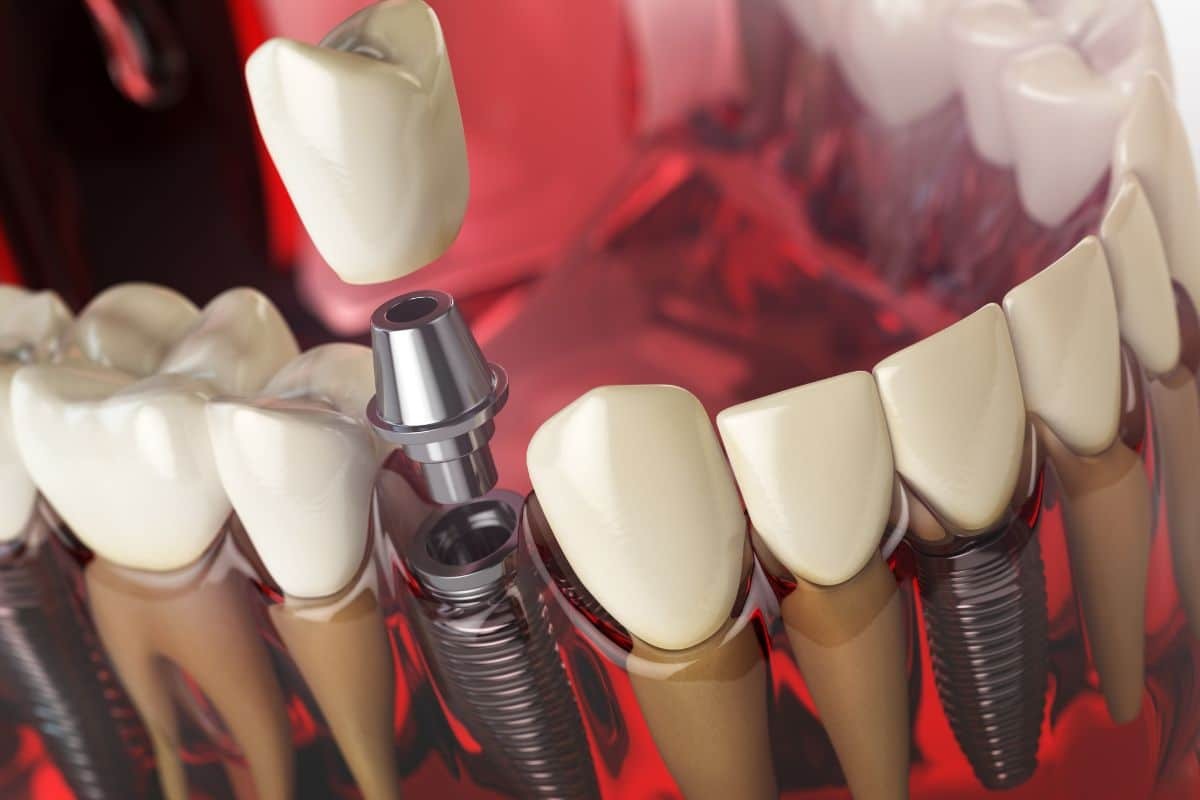
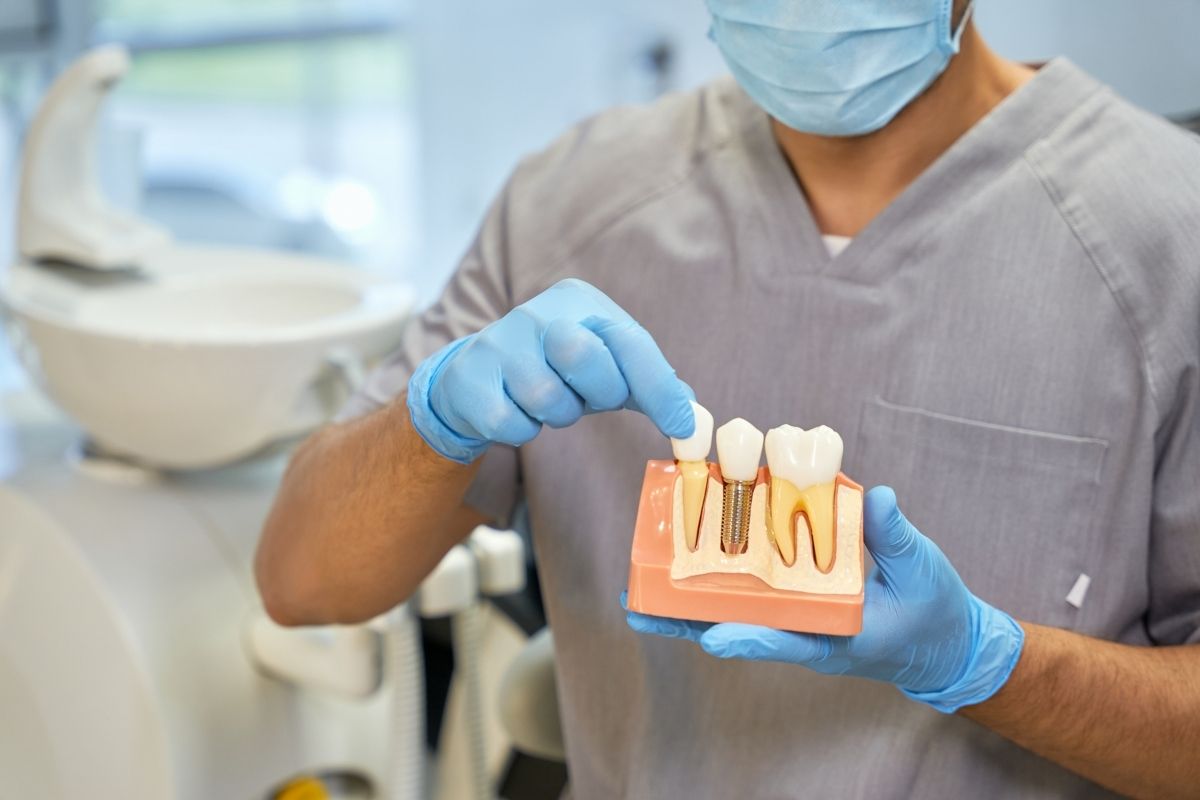
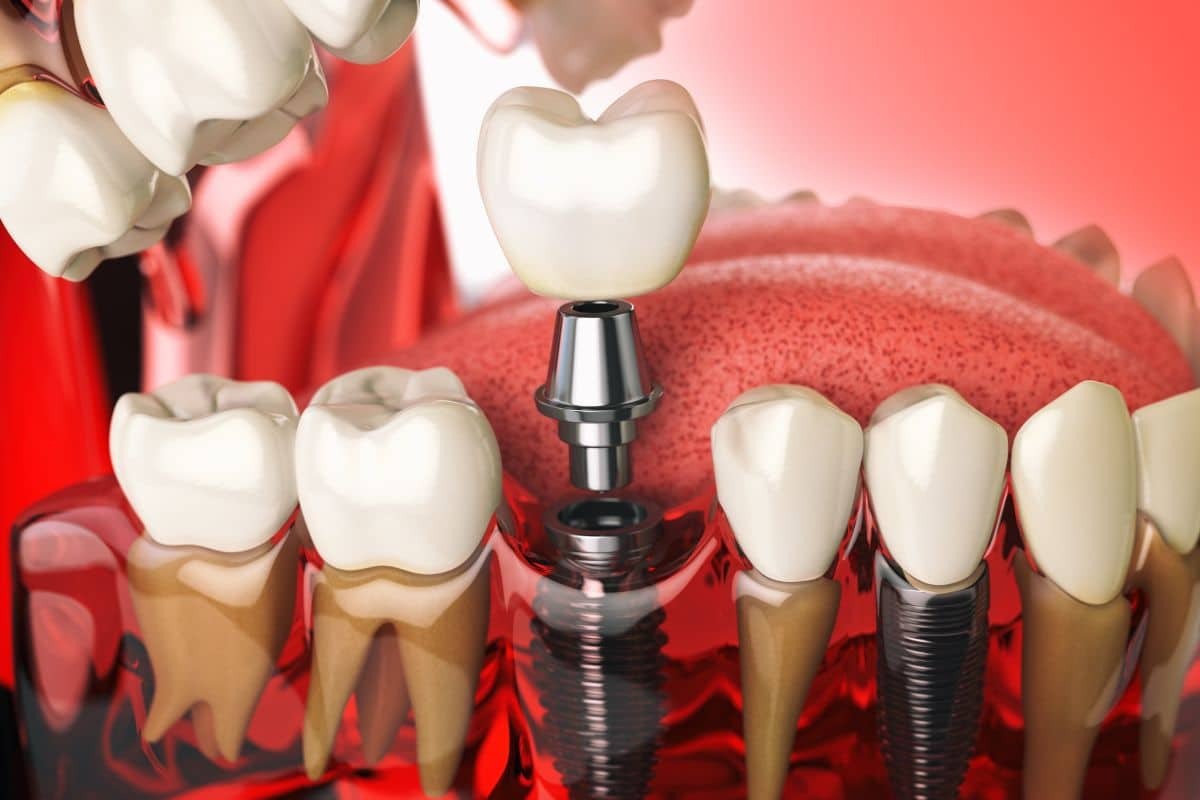
- Implant placement: A titanium implant post is placed in the jawbone to serve as an artificial tooth root.
- Healing: The implant needs time to integrate with the surrounding bone.
- Abutment placement: A connector may be attached to the implant.
- Final restoration: A crown, bridge, or denture is secured to complete the restoration.
The healing period varies from patient to patient. LoPour & Associates DDS notes that integration of the implant with the jawbone may take approximately six to 12 weeks, although overall treatment time depends on the patient’s circumstances and whether additional procedures are required.
Does Technology Matter When Choosing an Implant Dentist?
Technology can be useful because implant treatment requires detailed planning. Depending on the case, dental imaging and other diagnostic tools can help the dental team evaluate the treatment area and plan implant placement.
However, technology should not be the only factor you consider. A sophisticated tool is most useful when it is combined with careful diagnosis, clinical experience, appropriate treatment planning, and communication.
When comparing dental offices in Albuquerque, ask what technology is used during implant consultations and how it contributes to your treatment plan.
What Are the Benefits of Dental Implants?
Dental implants can provide a stable foundation for replacement teeth. They are designed to replace the root portion of a missing tooth and can support crowns, bridges, or dentures.
Potential benefits include:
- Improved chewing function
- Better stability than some removable options
- A natural-looking appearance
- Support for replacement teeth
- Improved speech in appropriate cases
- Preservation of jawbone around the implant area
- Greater convenience for everyday eating and speaking
The right benefits depend on your individual oral health and treatment plan. Dental implants are not automatically the best choice for every patient, which is why an evaluation is important.
What Are the Risks of Dental Implant Treatment?
Like any dental procedure, implant treatment has potential risks. These can include infection, discomfort, implant failure, problems with healing, damage to nearby structures, or inadequate bone support.
Your provider should explain the potential risks that apply specifically to your case.
Certain conditions, such as untreated gum disease or insufficient jawbone, may require treatment before implant placement. A careful evaluation helps identify these concerns early rather than treating the implant procedure as a one-size-fits-all solution.
How Much Do Dental Implants Cost in Albuquerque?
The cost of dental implants varies considerably. Factors can include the number of implants, the type of restoration, imaging, extraction, bone grafting or other preparatory procedures, and the complexity of the case.
Instead of choosing a provider based only on the lowest advertised price, ask for a clear explanation of what your estimate includes.
During a consultation, consider asking:
- What procedures are included in the estimated cost?
- Is the final crown, bridge, or denture included?
- Will additional procedures be necessary?
- What payment or financing options are available?
- Are follow-up visits included?
A transparent discussion about cost can help prevent unexpected expenses later.
How Important Is Aftercare?
Implant treatment does not end when the final restoration is placed. Good oral hygiene and regular dental visits remain important for maintaining your natural teeth, gums, and implant restoration.
Your provider may recommend specific instructions for brushing, flossing, cleaning around the restoration, and attending follow-up appointments.
Avoiding tobacco, maintaining good oral hygiene, and addressing gum problems promptly can also support long-term oral health. LoPour & Associates DDS emphasizes regular dental visits and proper oral hygiene as part of maintaining implants over time.
FAQs
How do I find a good dental implant provider in Albuquerque?
Start by looking for a provider with relevant implant experience, thorough treatment planning, appropriate technology, clear communication, and a strong focus on patient care. Schedule a consultation and ask about your candidacy, treatment options, expected timeline, risks, aftercare, and total estimated cost.
Are dental implants suitable for everyone?
No. Many adults can be candidates for dental implants, but suitability depends on factors such as gum health, available jawbone, oral hygiene, overall health, and individual treatment needs. A dental examination is necessary to determine whether implants are appropriate or whether preparatory treatment is needed first.
How long does dental implant treatment take?
The timeline varies. Implant treatment may involve placement, a healing period, abutment placement, and the final restoration. Bone healing and other required procedures can affect the overall schedule. Your provider can give you a more accurate estimate after evaluating your specific case.
Are dental implants painful?
Some discomfort, swelling, or tenderness can occur after implant placement, but your dental provider will give you instructions for managing recovery. Pain levels and healing vary between patients. Contact your provider if you experience unusual or worsening symptoms during recovery.
How long can dental implants last?
Dental implants can provide long-term tooth replacement when properly maintained, but their longevity varies. Regular dental visits, good oral hygiene, healthy gums, and appropriate care of the restoration are important for supporting long-term results.
What questions should I ask at an implant consultation?
Ask about the provider’s experience, your candidacy, recommended implant type, treatment stages, healing time, possible additional procedures, risks, total estimated cost, aftercare, and alternatives. You should leave the consultation with a clear understanding of what the proposed treatment involves.
Conclusion
Choosing the right provider for dental implants in Albuquerque should involve more than comparing prices. Look for experience, personalized treatment planning, appropriate technology, clear communication, realistic expectations, and dependable follow-up care.
If you are considering replacing a missing tooth or need an implant-supported restoration, LoPour & Associates DDS can evaluate your oral health and discuss whether dental implants are appropriate for your needs. To learn more or request an appointment, call +1 5052987475.
Choosing a dental provider is easier when you can learn more about the practice before scheduling an appointment. See our practice reviews and updates to explore practice information, recent updates, and feedback from local patients.