
Sleep apnea is a serious condition that affects many individuals, often going undiagnosed due to its symptoms occurring during sleep. For those who suffer from sleep apnea, treatment is crucial to prevent complications such as high blood pressure, heart disease, and daytime fatigue. If you are in the Albuquerque area and struggling with sleeping disorders, seeking sleep apnea treatment in Albuquerque can provide the relief you need.
At LoPour & Associates DDS, we understand how disruptive sleep apnea can be, not only for your sleep but for your overall health. In this blog, we will explain how dentists diagnose it and what long-term care options are available to manage the condition.
Diagnosing Sleep Apnea
The first step is obtaining a proper diagnosis. Many people are unaware they have sleep-disordered breathing until their partner notices loud snoring or interrupted breathing during the night. The dentist plays a significant role in diagnosing sleep apnea, especially for those who experience symptoms such as snoring, excessive daytime fatigue, and difficulty concentrating.
1. Initial Consultation and Evaluation
The process starts with a consultation at the dental practice in Albuquerque, where your dentist will ask about your sleep habits, medical history, and any symptoms you may be experiencing. They will also conduct a thorough examination of your mouth, teeth, and throat to check for physical signs that may indicate sleep-disordered breathing, such as an enlarged tongue or throat.
2. Referral for a Sleep Study
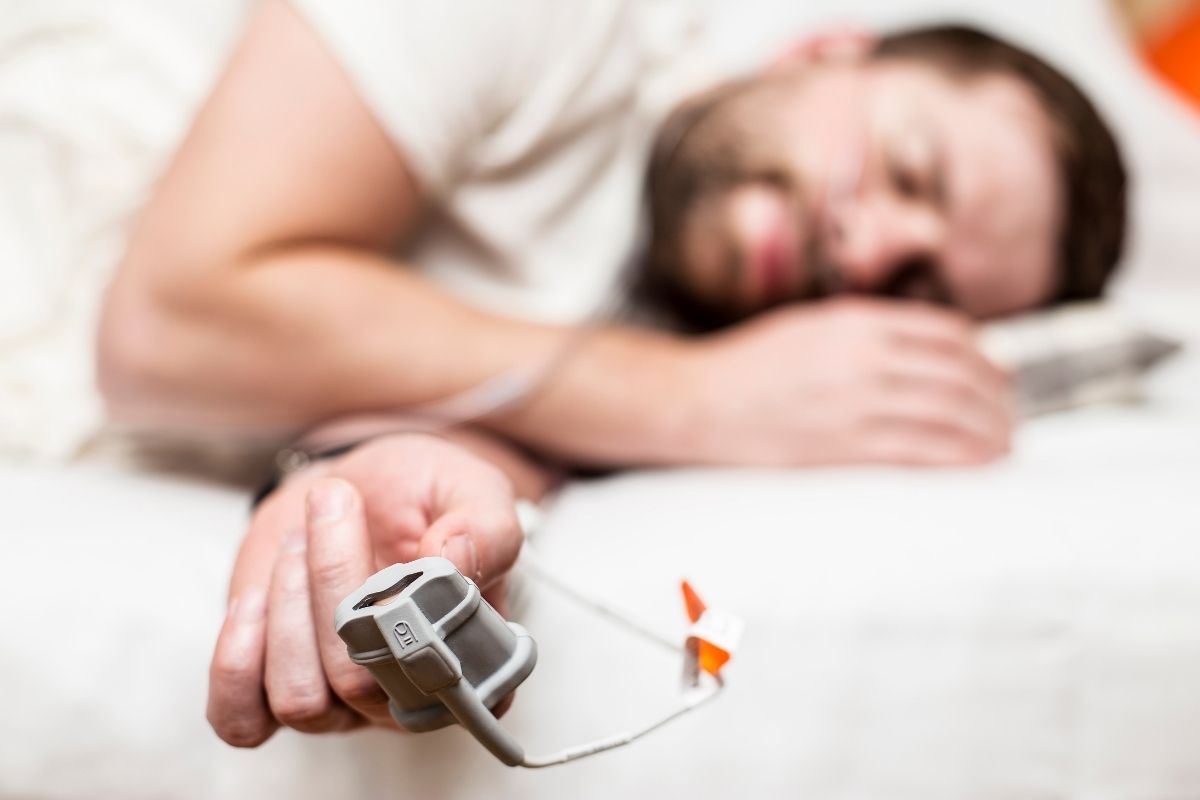
If your Albuquerque dentist suspects that you have sleep apnea, they may refer you to a sleep specialist for a sleep study. This study, also known as polysomnography, is usually performed in a sleep center or at home with a portable device that records your sleep patterns. The results of the sleep study will help your dental practitioner determine the severity of the condition and guide treatment options.
Treatment Options:
Once a diagnosis is confirmed, several treatment options are available, ranging from lifestyle changes to more advanced therapies. The treatment can vary depending on the severity of the condition.
1. Lifestyle Changes
In mild cases, a dental professional may recommend lifestyle changes to help reduce symptoms. These include:
- Losing weight: Extra weight, particularly around the neck, can increase the likelihood of airway obstruction during sleep.
- Avoiding alcohol: Alcohol relaxes the muscles in the throat, which can exacerbate the symptoms.
- Sleeping on your side: Sleeping on your back can cause your tongue to fall back and block your airway. Sleeping on your side can help prevent this problem.
- Quitting smoking: Smoking contributes to inflammation and fluid retention in the upper airway, which worsens sleep-disordered breathing.
2. Oral Appliances
For many patients, an oral appliance is an effective sleep apnea therapy. This device is custom-made to fit your mouth and is worn during sleep. It works by repositioning your lower jaw and tongue to keep the air passage open. Oral appliances are typically recommended for patients with mild to moderate obstructive sleep apnea, and they offer a non-invasive and comfortable alternative to more extensive treatments like CPAP.
Dr. LoPour, an Albuquerque dentist, is highly proficient in providing these devices. With years of experience and a commitment to ongoing education, Dr. LoPour ensures that each patient receives the most appropriate solution for their sleep-disordered breathing.
3. CPAP Therapy
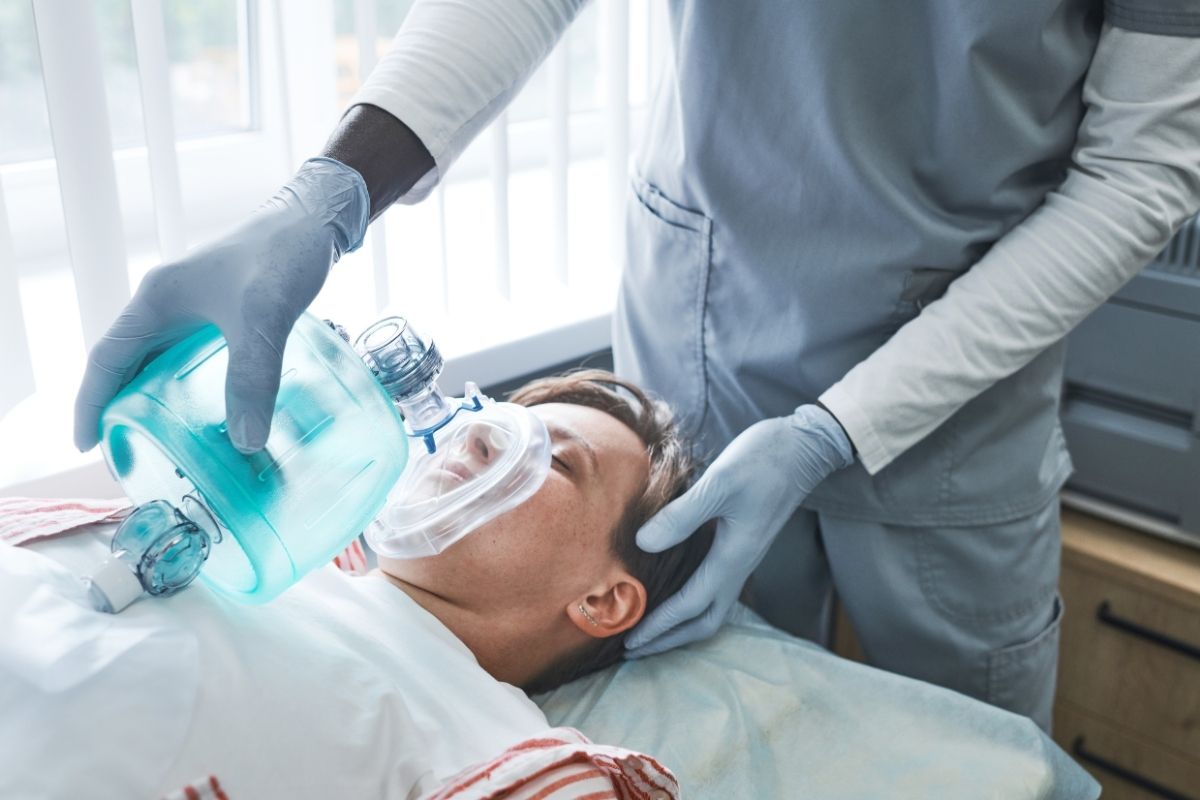
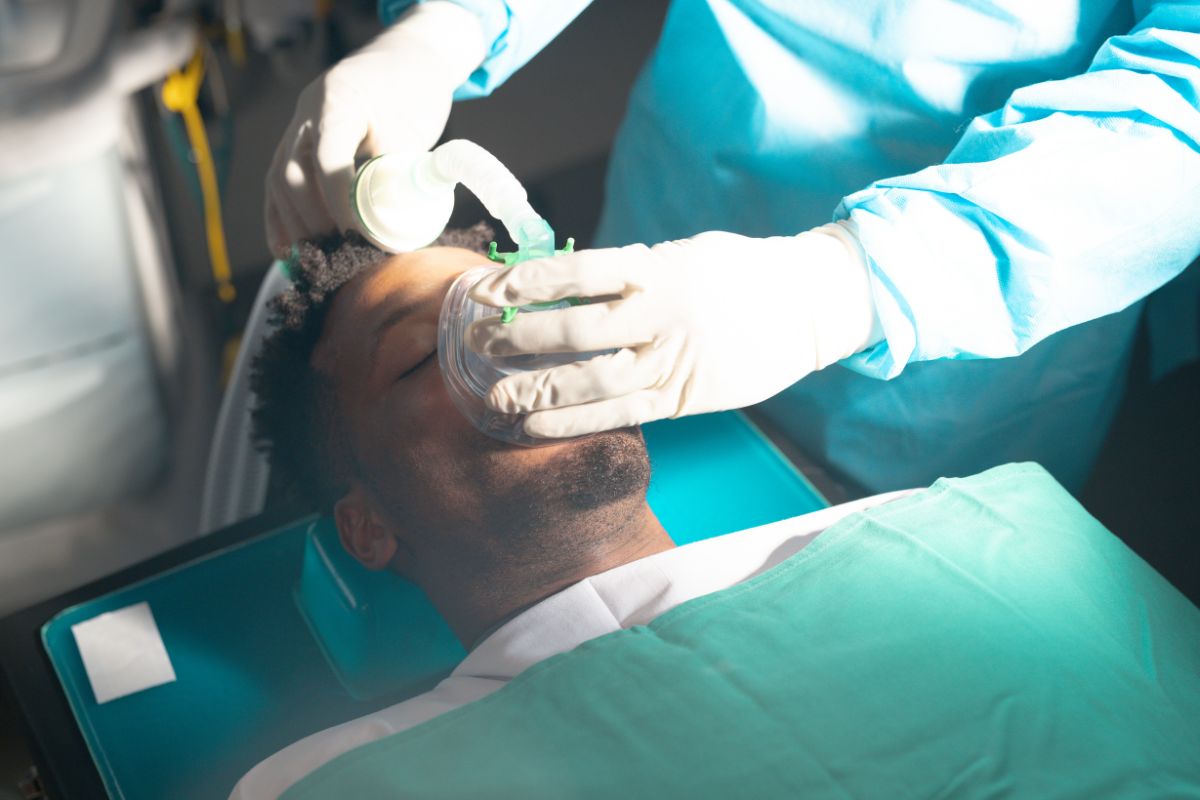
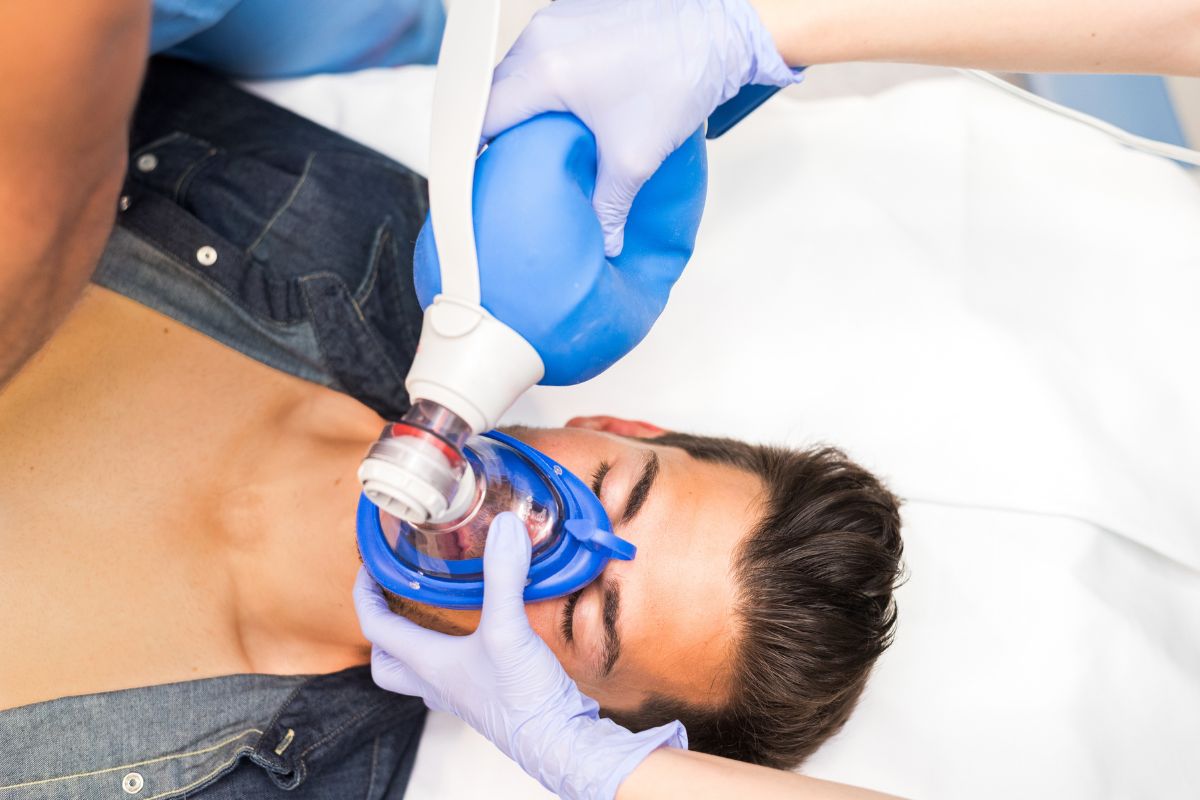
For more severe cases of sleep apnea, continuous positive airway pressure (CPAP) therapy is commonly used. This device involves wearing a mask over your nose or mouth that delivers a steady stream of air to keep your airways open during sleep. While CPAP therapy is effective, it may not be suitable for everyone due to discomfort or difficulty adjusting to the device.
4. Surgical Options
In rare cases, surgery may be required if other treatments have not been successful. Surgical options include procedures to remove excess tissue from the throat or reposition the jaw to improve airflow. This is typically considered a last resort after all other treatment options have been exhausted.
Long-Term Care:
Treating this problem is not just about managing symptoms for a short time. Long-term care is essential to keep your condition under control and prevent complications. Here are some strategies to ensure long-term success:
1. Ongoing Monitoring
Sleep apnea is a chronic condition, and regular follow-up appointments with your dentist are essential. Your dentist will monitor your oral appliance, check for signs of wear or discomfort, and adjust the device as needed to ensure it continues to work effectively. For patients on CPAP therapy, regular visits to the sleep specialist are recommended to ensure the device is functioning properly.
2. Consistent Use of Treatment Devices
Whether you are using an oral appliance or a CPAP machine, consistency is key to maintaining the benefits of treatment. Make sure to follow your dentist’s recommendations and wear your device every night. Missing treatment can lead to a recurrence of symptoms, making it harder to manage the condition in the long term.
3. Healthy Lifestyle Choices
Incorporating healthy habits into your daily routine can help maintain the success of your treatment. Regular exercise, a healthy diet, and good sleep hygiene (such as maintaining a consistent sleep schedule) can all contribute to improved quality of life and better response to the therapy.
Treatment and Long-Term Care
Sleep apnea is a manageable condition, but it requires proper diagnosis, treatment, and ongoing care. At LoPour & Associates DDS, we help you find the right solution to treat signs of sleep apnea. Whether through lifestyle changes, oral appliances, or more advanced therapies, we are here to support you on your journey to better sleep and better health.
If you’re struggling with sleep-disordered breathing, visit our dental office in Albuquerque for a consultation. Our team is here to help you achieve restful sleep and improved overall well-being.
FAQs
How Do I Know If I Have Sleep Apnea?
The most common signs include loud snoring, choking or gasping during sleep, excessive daytime sleepiness, and difficulty concentrating. If you experience these symptoms, it’s important to consult with a dentist for a proper diagnosis.
What Happens If Sleep Apnea Is Left Untreated?
Untreated sleep apnea can lead to serious health complications, such as high blood pressure, heart disease, stroke, diabetes, and memory problems. It can also negatively affect your quality of life, causing chronic fatigue and difficulty concentrating.
3. Can An Oral Appliance Help With Sleep Apnea?
Yes, oral appliances are effective for mild to moderate sleep apnea. They work by repositioning the lower jaw and tongue to keep the airway open during sleep. The dentist will help determine if an oral appliance is the right solution for you.
4. How Long Does It Take To Adjust to CPAP Therapy?
It can take some time to get used to using a CPAP machine, but most patients adjust within a few weeks. Regular follow-ups with your sleep specialist can help ensure that the CPAP is set up correctly and comfortably for optimal use.
5. Is Surgery A Common Treatment For Sleep Apnea?
Surgery is typically considered a last resort for treating sleep apnea, used only when other therapies have not been effective. Surgical options may include procedures to remove excess tissue from the throat or reposition the jaw to improve airflow.
By following these steps and maintaining consistent care, you can effectively manage your sleep-disordered breathing and improve your health. Visit our dental office in Albuquerque today for a consultation and start your journey toward better sleep and overall health.