
Sleep apnea is more than just loud snoring. It’s a serious condition that can affect your breathing, heart health, and daily energy levels. Many adults in Albuquerque and nearby communities like Rio Rancho, Corrales, and Los Lunas struggle with interrupted sleep without realizing the long-term impact. If you’ve been researching sleep apnea treatment in Albuquerque, understanding your options is the first step toward better rest and improved overall health.
Below, we’ll break down how sleep apnea is diagnosed and the different treatment approaches available so you can feel confident discussing next steps with your healthcare provider.
What Happens During Sleep Apnea
Sleep apnea causes repeated pauses in breathing while you sleep. The most common type is obstructive sleep apnea (OSA), which happens when the muscles in the back of your throat relax and block the airway. Less commonly, central sleep apnea occurs when the brain doesn’t send proper signals to the muscles that control breathing.
Common signs include:
- Loud, chronic snoring
- Gasping or choking during sleep
- Morning headaches
- Daytime fatigue
- Difficulty concentrating
- Mood changes
Because symptoms occur during sleep, many people only learn about them from a bed partner.
Untreated sleep apnea has been linked to high blood pressure, heart disease, diabetes, and increased accident risk, making timely diagnosis and treatment essential.
How it is Diagnosed
Before choosing a treatment, a proper diagnosis is necessary. Your physician may recommend a sleep study (polysomnography) conducted in a sleep center. During this overnight test, specialists monitor:
- Breathing patterns
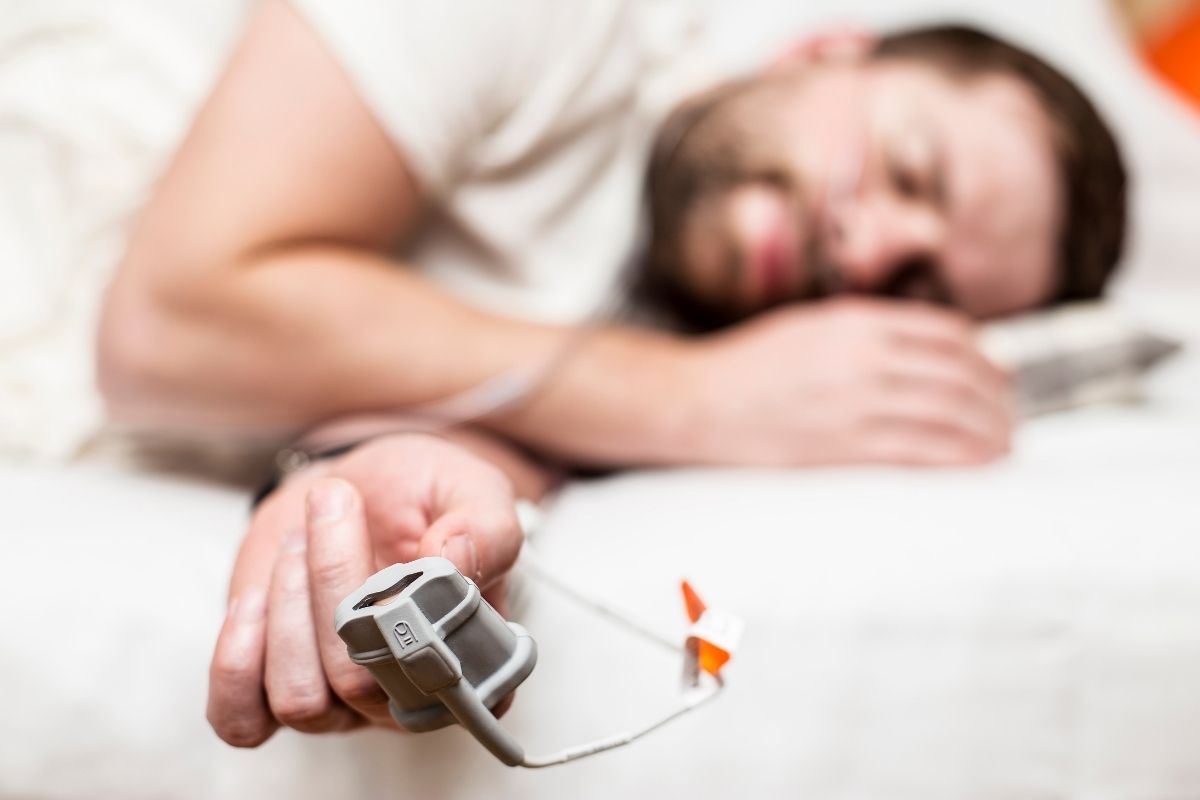
- Oxygen levels
- Brain activity
- Heart rate
- Limb movement
For some patients, home sleep testing may be an option. While convenient, home tests sometimes miss mild or complex cases, so additional evaluation may be needed.
Once diagnosed, treatment depends on the severity of the condition, your overall health, and your comfort with different therapies.
Lifestyle Changes That Can Improve Mild Cases
For mild obstructive sleep apnea, conservative steps may significantly reduce symptoms.
Weight Management
Even modest weight loss can reduce fatty tissue around the airway, improving nighttime breathing.
Sleep Position Adjustments
Sleeping on your side instead of your back may help prevent the tongue and soft tissues from collapsing into the airway.
Limiting Alcohol and Sedatives
These substances relax throat muscles and can worsen breathing interruptions.
Smoking Cessation
Smoking irritates and inflames the airway, increasing the risk.
While these changes may help mild cases, moderate to severe sleep apnea typically requires additional treatment.
Positive Airway Pressure (PAP) Therapy
The most widely prescribed therapy is continuous positive airway pressure (CPAP). This device delivers a steady stream of air through a mask worn during sleep, keeping the airway open.
Benefits include:
- Reduced snoring
- Fewer breathing interruptions
- Improved daytime alertness
- Lower cardiovascular risk
However, some patients struggle with mask discomfort, dry mouth, skin irritation, or claustrophobia. Mask style, fit, and pressure adjustments can often improve comfort. Alternatives such as auto-adjusting PAP or bilevel devices may also be recommended if standard CPAP feels uncomfortable.
Consistency is key PAP therapy works best when used nightly.
Oral Appliance Therapy: A Comfortable Alternative
For patients who cannot tolerate CPAP or who have mild to moderate OSA, custom oral appliance therapy may be an effective option.
These devices resemble a mouthguard and are worn during sleep. They gently reposition the lower jaw forward, preventing airway collapse. Benefits include:
- Small, portable design
- No mask or machine noise
- Greater comfort for travel
- Easy maintenance
Unlike over-the-counter devices, professionally fitted oral appliances are customized for your bite and require periodic adjustments to ensure proper function and comfort.
This option is particularly appealing for patients seeking sleep apnea treatment that integrates dental expertise into overall care.
Advanced and Surgical Treatment Options
If conservative and non-invasive methods are ineffective, additional treatments may be considered.
Surgical Tissue Removal
Procedures may remove excess tissue in the throat or reduce enlarged tonsils to improve airflow.
Jaw Repositioning Surgery
In certain anatomical cases, moving the upper and lower jaw forward can permanently enlarge the airway.
Hypoglossal Nerve Stimulation
A small implanted device stimulates the nerve controlling tongue movement, preventing airway blockage during sleep. This option is typically reserved for patients who cannot tolerate CPAP and meet specific medical criteria.
Nasal Surgery
Correcting a deviated septum or other structural nasal issues may improve airflow and enhance tolerance of other therapies.
Surgical options are usually considered only after non-surgical treatments have been tried.
Treatment for Central Breathing Disorder
If central sleep apnea is diagnosed, care often focuses on addressing underlying medical conditions such as heart or neurological disorders.
Treatment may include:
- Specialized PAP devices
- Supplemental oxygen
- Medication adjustments
- Advanced breathing support devices
A comprehensive medical evaluation helps determine the safest and most effective plan.
Choosing the Right Approach for You
There is no one-size-fits-all solution. The best treatment depends on:
- Severity of apnea (mild, moderate, severe)
- Body mass index (BMI)
- Airway anatomy
- Comfort preferences
- Medical history
- Ability to tolerate devices
Many patients benefit from a collaborative approach involving a sleep physician and a dental professional experienced in oral appliance therapy for sleep apnea.
If you suspect you may have sleep apnea, the first step is a proper diagnosis. From there, your healthcare team can guide you toward a solution that fits your lifestyle and health needs.
Take the First Step Toward Better Sleep
Sleep apnea can affect your energy, relationships, and long-term health, but effective treatment options are available. Whether lifestyle changes, CPAP therapy, or a custom oral appliance is right for you, early intervention makes a meaningful difference.
If you’re in Albuquerque or nearby areas and want to explore comfortable, personalized solutions, contact LoPour & Associates DDS to learn more about your options. A better night’s sleep and better overall health may be closer than you think.