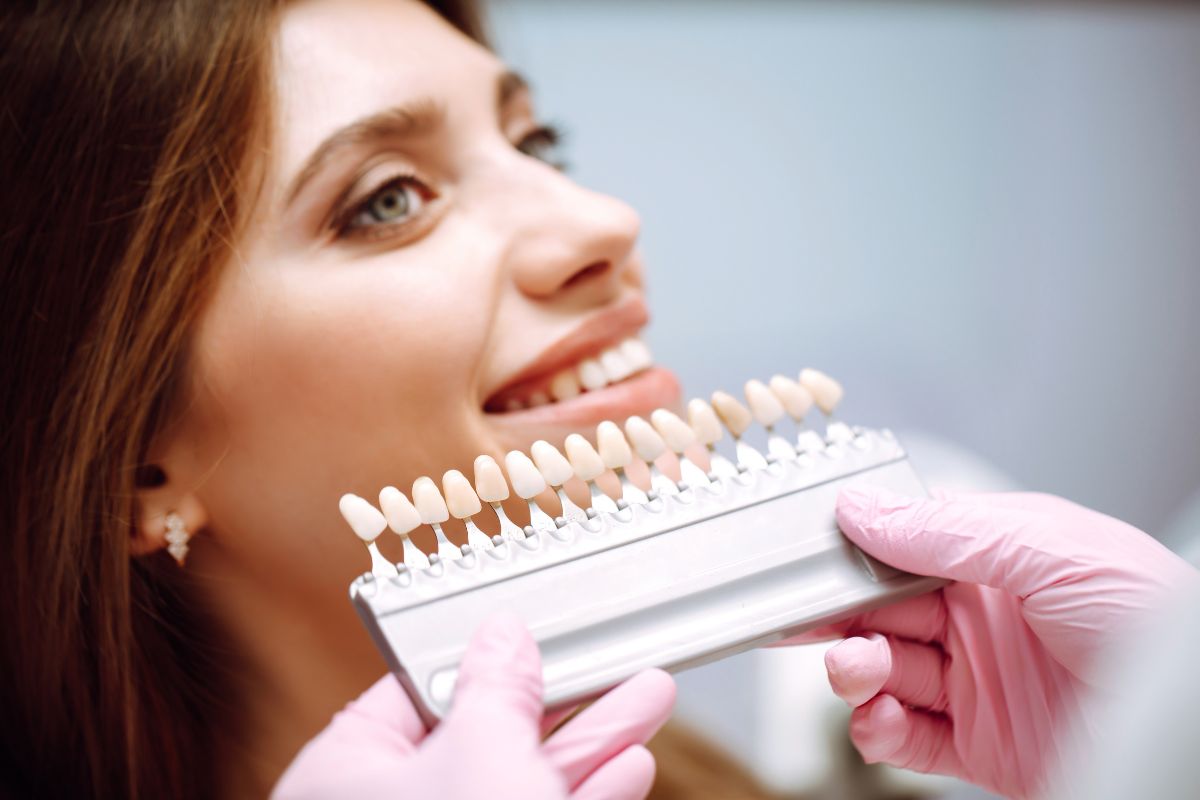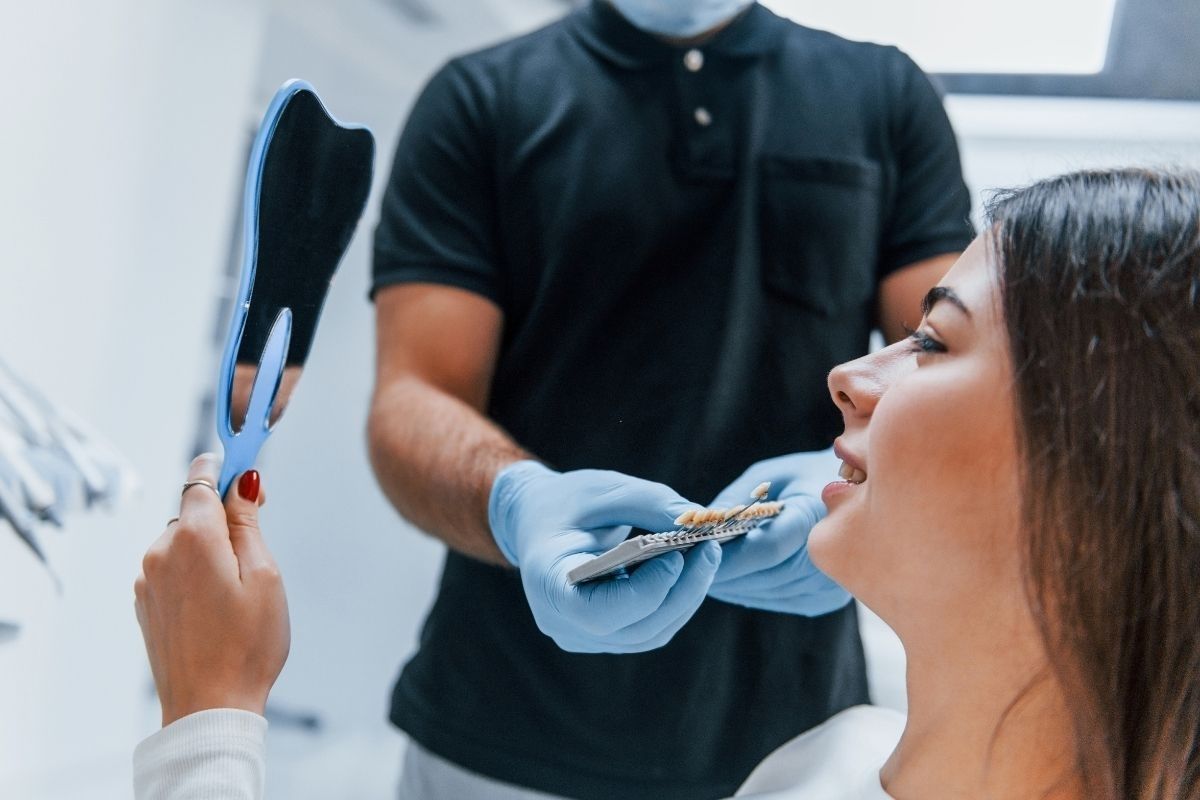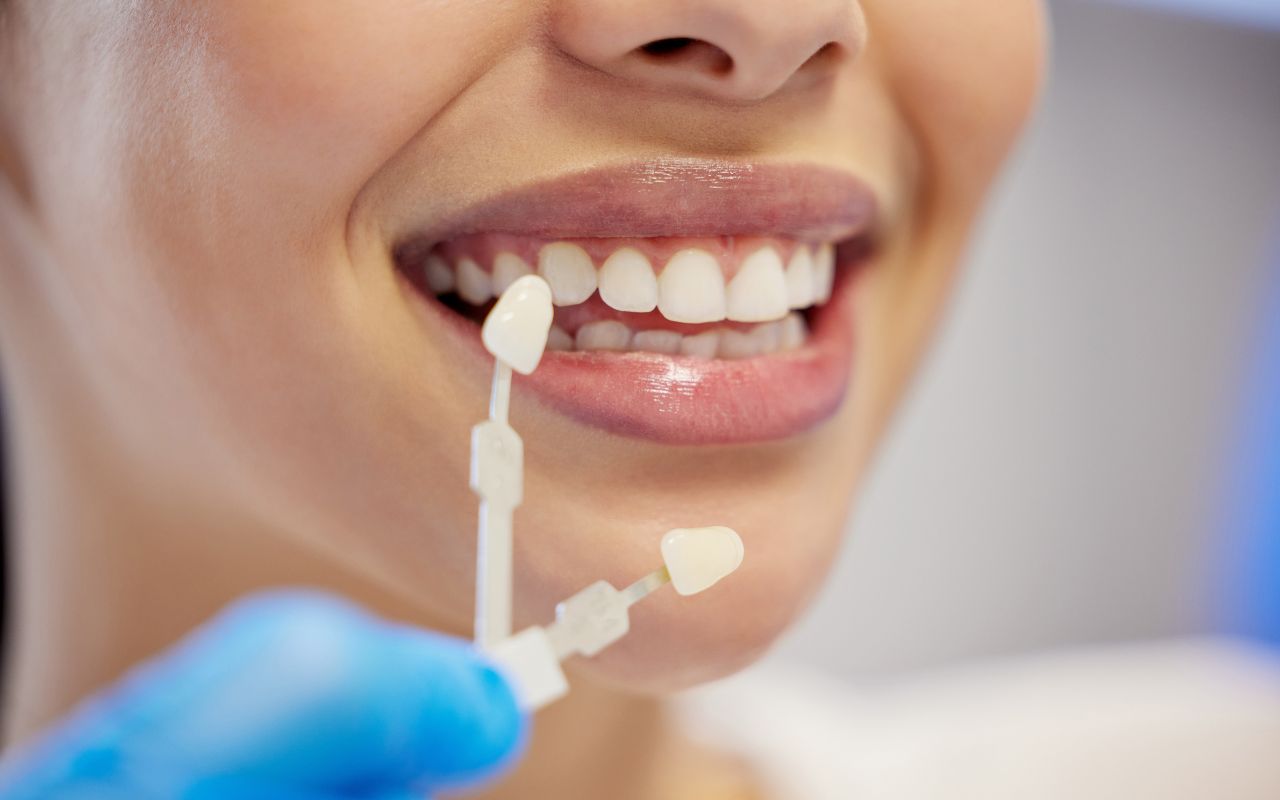

A confident smile can make a lasting impression, and veneers are a popular way to achieve that polished look. If you’re considering Veneers in Albuquerque, you may be wondering how your eating habits will change afterward. The good news is that most people can still enjoy a wide variety of foods with just a few mindful adjustments. Whether you live in Albuquerque, Rio Rancho, Corrales, or nearby communities, understanding what to eat and what to avoid helps protect your investment and keeps your smile looking its best for years to come.
Understanding How Veneers Function
Veneers are thin, custom-made shells bonded to the front surface of your teeth. They’re designed to improve appearance while maintaining natural function.
While they are strong and durable, they aren’t indestructible. Daily habits, including what you eat, play a major role in their longevity. Making smart food choices reduces the risk of chipping, staining, or loosening over time.
Foods That Are Easy on Your Smile
After getting veneers, especially in the first few days, softer foods are the safest option. Even long-term, these choices help minimize stress on your teeth.
Some great options include:
- Soft-cooked vegetables like carrots, spinach, or zucchini
- Eggs, pasta, rice, and soft bread
- Lean proteins such as chicken, fish, and tofu
- Dairy products like yogurt, milk, and cheese
- Fruits like bananas, berries, and melons
You can still enjoy crunchy fruits and vegetables, but it’s best to cut them into smaller pieces rather than biting directly into them. This reduces pressure on your veneers and protects the bonding.
What to Be Careful With at Mealtime
Certain foods don’t have to be completely avoided, but they do require caution.
- Crunchy vegetables should be cooked or sliced thin
- Crusty bread should be eaten in smaller bites
- Fibrous meats can be cut into manageable pieces
Being mindful of how you eat is just as important as what you eat. Taking smaller bites and chewing evenly on both sides helps distribute pressure more safely.
Foods That Can Cause Damage
Some foods pose a higher risk and are best limited or avoided to protect your veneers.
Hard items that create pressure
Hard foods can lead to cracks or chips. Examples include:
- Ice
- Hard candies
- Nuts
- Popcorn kernels
Sticky choices that pull at veneers
Sticky foods can weaken the bond between the veneer and your tooth. These include:
- Caramel
- Toffee
- Chewing gum
Chewy foods that strain your teeth
Excessively chewy items can place stress on your veneers over time, such as:
- Tough cuts of meat
- Certain candies
Avoid using your teeth as tools (like opening packages), as this can damage both veneers and natural teeth.
Managing Foods and Drinks That Stain
Although veneers are stain-resistant, they are not completely stain-proof. Over time, frequent exposure to dark-colored foods and beverages can dull their brightness.
Common culprits include:
- Coffee and tea
- Red wine
- Dark sodas
- Berries like blueberries
You don’t have to eliminate these. Instead:
- Rinse your mouth with water after consuming them
- Use a straw for beverages when possible
- Maintain regular brushing habits
For more guidance on maintaining oral health, refer to the National Institute of Dental and Craniofacial Research and its oral care recommendations:
Temperature Sensitivity After Placement
It’s common to experience mild sensitivity to hot or cold foods after getting veneers. This usually improves within a few days or weeks.
During this period:
- Avoid extremely hot drinks or icy foods
- Choose lukewarm meals
- Gradually reintroduce temperature extremes as sensitivity fades
Everyday Habits That Protect Your Veneers
Diet is only part of the equation. Your daily habits also play a key role in maintaining your smile.
Helpful tips include:
- Brush twice daily with a non-abrasive toothpaste
- Floss gently to prevent buildup around the edges
- Visit your dentist regularly for cleanings and checkups
- Limit sugary snacks to reduce plaque buildup
- Stay hydrated to support overall oral health
Following these habits helps both your veneers and your natural teeth stay in excellent condition.
Long-Term Eating Confidence With Veneers
With proper care, tooth veneers can last many years while allowing you to enjoy most of your favorite foods. The key is to balance choosing foods that are gentle on your teeth while limiting those that can cause damage.
Over time, these small adjustments become second nature. Patients often find they can maintain both a healthy diet and a beautiful smile without feeling restricted.
Conclusion
Eating with veneers doesn’t mean giving up the foods you love; it simply means being more mindful about your choices and habits. By focusing on softer foods, limiting hard or sticky items, and maintaining good oral hygiene, you can protect your smile for the long term.
If you have questions about caring for your veneers or want personalized guidance, a trusted dentist in Albuquerque at Smiles by Design is here to help. Contact us today to schedule an appointment and keep your smile healthy, strong, and confident for years to come.