
If you are searching sedation dentistry in Albuquerque, you are probably looking for a way to make dental care more comfortable and less stressful. Dental anxiety affects many people, and for some, fear of treatment leads to postponed appointments and worsening oral health problems.
Fortunately, sedation dentistry can help patients feel more relaxed during dental procedures. Whether you’re preparing for a routine visit or a more complex treatment, asking the right questions beforehand can help you feel informed and confident. If you’re new to sedation options, learning more about understanding sedation dentistry can help you know what to expect before treatment.
Quick Answer
If you are considering sedation dentistry in Albuquerque, ask about the types of sedation available, whether you’re a good candidate, the dentist’s safety protocols, experience, treatment costs, and recovery expectations. These questions help ensure you receive personalized, safe, and comfortable dental care that fits your individual needs.
Why Patients Choose Sedation Dentistry
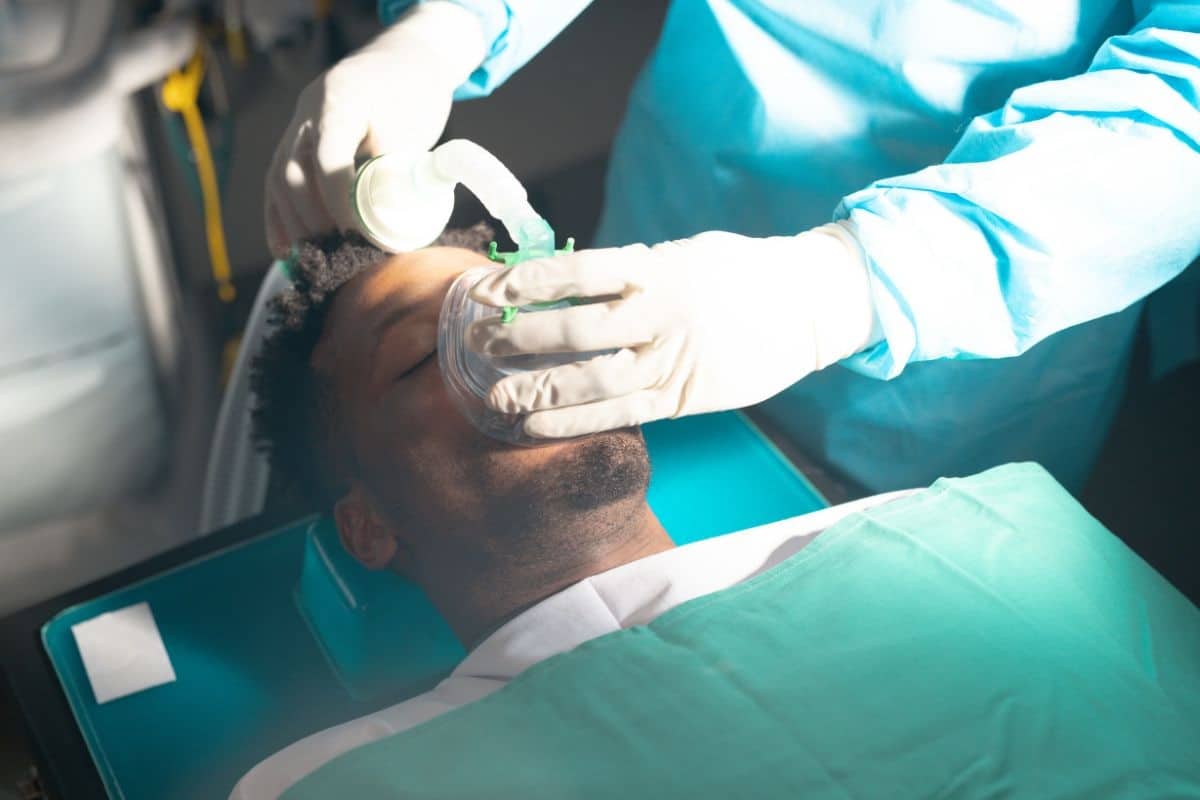
Dental sedation is designed to help patients remain calm and comfortable during treatment. It may be beneficial for individuals who:
- Experience dental anxiety or fear
- Have a strong gag reflex
- Need extensive dental work
- Have difficulty sitting still for long periods
- Have sensitive teeth or gums
- Have had negative dental experiences in the past
Sedation dentistry can help make necessary dental care more manageable, allowing patients to maintain better oral health without unnecessary stress.
Questions to Ask a Sedation Dentist Before Treatment
What Types of Sedation Do You Offer?
Not all dental offices provide the same sedation options. Ask which methods are available and which may be appropriate for your situation.
Common options include:
- Nitrous oxide (laughing gas)
- Oral conscious sedation
- IV sedation
- General anesthesia (when appropriate)
Your dentist should explain how each option works, its benefits, and what level of relaxation you can expect.
Am I a Good Candidate for Sedation Dentistry?
Sedation is not a one-size-fits-all solution. Your medical history, current medications, and overall health can influence which sedation methods are appropriate.
Be sure to discuss:
- Existing medical conditions
- Prescription medications
- Allergies
- Previous reactions to anesthesia
- Pregnancy status, if applicable
An experienced dentist will review your health history carefully before recommending sedation.
What Safety Protocols Do You Follow?
Patient safety should always be a top priority.
Ask your dentist:
- How patients are monitored during treatment
- What emergency protocols are in place
- Whether staff members are trained in sedation procedures
- What equipment is used to monitor vital signs
Understanding the safety measures in place can provide peace of mind before your procedure.
How Experienced Are You With Sedation Dentistry?
Experience matters when it comes to sedation procedures.
Consider asking:
- How long the dentist has provided sedation services
- How frequently they perform sedation treatments
- What additional training or certifications they have completed
A knowledgeable dental team can help ensure your treatment is both comfortable and safe.
What Should I Expect Before the Procedure?
Preparation requirements vary depending on the type of sedation used.
Your dentist may provide instructions regarding:
- Eating and drinking restrictions
- Medication adjustments
- Transportation arrangements
- Clothing recommendations
Following these instructions carefully can help your appointment go smoothly.
What Happens During Sedation Dentistry?
During treatment, the dental team will monitor your comfort and vital signs throughout the procedure.
Depending on the sedation method selected, you may:
- Feel deeply relaxed
- Remain awake but calm
- Have little memory of the procedure afterward
Many patients report that treatment feels much shorter than expected when sedation is used.
What Is Recovery Like?
Recovery varies based on the type of sedation administered.
Ask your dentist:
How Long Will the Effects Last?
Some forms of sedation wear off quickly, while others may require several hours for full recovery.
Will I Need Someone to Drive Me Home?
For oral or IV sedation, patients typically need a responsible adult to accompany them home after treatment.
Are There Any Side Effects?
Potential temporary effects may include:
- Drowsiness
- Dry mouth
- Mild nausea
- Grogginess
Your dentist should explain what to expect and provide post-treatment instructions.
How Much Does Sedation Dentistry Cost?
Cost is often an important factor for patients considering sedation dentistry.
Ask questions such as:
- Is sedation charged separately from treatment?
- Does dental insurance provide any coverage?
- What financing options are available?
- Are payment plans offered?
Because every treatment plan is unique, obtaining a personalized estimate is the best way to understand potential costs.
Benefits of Sedation Dentistry
Patients often choose sedation dentistry because it can offer several advantages.
Reduced Anxiety
One of the most significant benefits is helping patients feel calmer before and during treatment.
Increased Comfort
Sedation can make lengthy procedures more manageable and comfortable.
Improved Treatment Efficiency
When patients are relaxed, dentists may be able to complete multiple procedures in fewer visits.
Better Oral Health
Patients who avoid dental care due to fear may find it easier to maintain regular appointments with sedation options available.
Are There Any Risks?
Like any medical procedure, sedation dentistry carries some risks. However, complications are uncommon when treatment is performed by qualified professionals and proper screening is completed beforehand.
Risk factors may depend on:
- Overall health
- Type of sedation used
- Medical history
- Medications being taken
Open communication with your dental team helps minimize potential risks and supports safe treatment planning.
Conclusion
Choosing the right provider for sedation dentistry in Albuquerque starts with asking the right questions. Understanding your sedation options, safety measures, recovery expectations, and treatment costs allows you to make an informed decision about your dental care.
If you’d like to learn more about sedation dentistry in Albuquerque, contact LoPour & Associates DDS today. Our experienced team is committed to helping patients enjoy a comfortable, stress-free dental experience while receiving the quality care they deserve.
Call +1 5052987475 to schedule your consultation and find out whether sedation dentistry is the right solution for your needs.
Want to stay updated with the latest dental tips, office announcements, and patient success stories? See patient reviews on Google to learn what local patients are saying, explore recent updates, and discover more about our commitment to exceptional dental care in Albuquerque.
Frequently Asked Questions
Is sedation dentistry safe?
Sedation dentistry is generally considered safe when administered by trained dental professionals who carefully review your medical history and monitor you throughout treatment. Your dentist will determine the most appropriate option based on your health and treatment needs.
Will I be asleep during sedation dentistry?
Not necessarily. Many forms of dental sedation allow patients to remain awake but deeply relaxed. The level of awareness depends on the type of sedation used and the individual patient’s response.
How long does it take to recover from dental sedation?
Recovery time varies depending on the sedation method. Nitrous oxide typically wears off quickly, while oral or IV sedation may require several hours before patients feel fully alert again.
Can patients with dental anxiety benefit from sedation dentistry?
Yes. Sedation dentistry is commonly recommended for patients who experience dental fear, anxiety, or difficulty undergoing treatment comfortably. It can help create a more relaxed dental experience.
Does insurance cover sedation dentistry?
Coverage varies by insurance provider and treatment circumstances. Some plans may offer partial coverage when sedation is considered medically necessary. It’s best to verify benefits directly with your insurance company.
How do I prepare for a sedation dentistry appointment?
Preparation instructions depend on the type of sedation being used. Your dentist may recommend fasting for a certain period, arranging transportation, and reviewing medications before your appointment.