

Tooth sensitivity can make even routine dental appointments uncomfortable. A sip of cold water, a breath of cool air, or contact with certain foods may trigger a sharp sensation. For some people, the thought of experiencing similar discomfort during a dental procedure creates anxiety and makes it harder to schedule necessary care.
Sedation dentistry for sensitive teeth may help make dental visits more manageable for patients who feel nervous or have difficulty tolerating treatment. At LoPour & Associates DDS in Albuquerque, patients can explore dental sedation in Albuquerque to understand whether sedation may be appropriate for their individual needs.
But how does sedation work, and can it actually help when your teeth are especially sensitive? Understanding the options can help you have a more informed conversation with your dental provider.
Quick Answer: Can Sedation Dentistry Help With Sensitive Teeth?
Yes, sedation dentistry may help patients with sensitive teeth feel more comfortable during dental procedures, especially when sensitivity contributes to dental anxiety or difficulty sitting through treatment. Sedation helps patients relax, but it does not eliminate the underlying cause of tooth sensitivity. Appropriate local anesthesia and treatment of the sensitivity itself may also be necessary.
Why Do Some Patients Experience Tooth Sensitivity During Dental Visits?
Tooth sensitivity occurs when the protective outer enamel becomes thinner or when the gums recede, exposing the underlying dentin. Dentin contains tiny channels that connect to the inner part of the tooth, allowing certain triggers to produce discomfort.
Common causes include:
- Worn tooth enamel: Brushing too hard, acidic foods, or enamel erosion can expose sensitive areas.
- Gum recession: When gum tissue pulls away, the roots of teeth may become exposed.
- Tooth decay: Cavities can make teeth more sensitive to temperature and pressure.
- Cracked or damaged teeth: Small fractures may cause discomfort when chewing or during dental treatment.
- Recent dental procedures: Some patients temporarily experience sensitivity after fillings, cleanings, whitening, or other treatments.
During a dental appointment, air, water, instruments, and pressure may trigger sensitivity in certain patients.
It is important to identify the reason behind the discomfort rather than assuming sedation alone will solve the problem.
How Does Sedation Dentistry Help Patients With Sensitive Teeth?
Sedation dentistry uses medication to help patients feel calmer and more relaxed during dental treatment. Depending on the method, patients may remain awake but relaxed or experience a deeper level of sedation under appropriate supervision.
Here are several ways sedation may help patients who struggle with sensitive teeth.
1. Helps Reduce Dental Anxiety
Some patients become anxious because they expect their teeth to hurt during treatment. That anticipation can make dental appointments stressful, even before the procedure begins.
Sedation may help reduce anxiety and make it easier to remain relaxed throughout an appointment. This can be particularly helpful for people who have previously avoided dental care because of uncomfortable experiences.
2. Makes Longer Appointments Easier to Manage
Patients who need multiple procedures may find extended appointments difficult, particularly when they already feel nervous or uncomfortable.
Depending on the patient’s health, treatment needs, and sedation method, sedation may make longer dental visits more manageable. Your dentist can determine whether this approach is appropriate.
3. Helps Patients Who Have Difficulty Sitting Through Treatment
Tooth sensitivity may cause some patients to anticipate discomfort whenever dental instruments come near their teeth. Others may struggle with dental anxiety, an unusually strong gag reflex, or difficulty remaining still.
Sedation can help some patients feel more at ease during treatment. However, communication with the dental team remains important, and patients should discuss how they can signal discomfort or request a pause.
4. Supports a More Positive Dental Experience
Repeated uncomfortable dental visits can create a cycle of anxiety and postponed appointments. Over time, avoiding preventive care may allow existing dental problems to become more complicated.
When appropriate, sedation can help patients approach necessary treatment with greater confidence. Combining relaxation techniques, suitable pain management, and a clear treatment plan can also improve the overall experience.
Does Sedation Dentistry Stop Tooth Sensitivity?
No. This is an important distinction.
Sedation helps manage anxiety and relaxation during treatment. It is not designed to repair damaged enamel, treat cavities, or eliminate sensitivity in exposed tooth roots.
For example, a patient with enamel erosion may need specific preventive care, while someone with a cavity may require restorative treatment.
Depending on the cause, a dentist may recommend:
- Desensitizing toothpaste.
- Fluoride treatments.
- Bonding to protect exposed areas.
- Treatment for gum recession when appropriate.
- Dental fillings or other restorative procedures.
- Changes to brushing habits and dietary choices.
Local anesthesia may also be used to prevent pain during certain dental procedures. Sedation and local anesthesia serve different purposes, and one does not automatically replace the other.
What Sedation Options May Be Available?
The appropriate sedation method depends on the patient’s medical history, anxiety level, treatment requirements, and overall health.
Common approaches include:
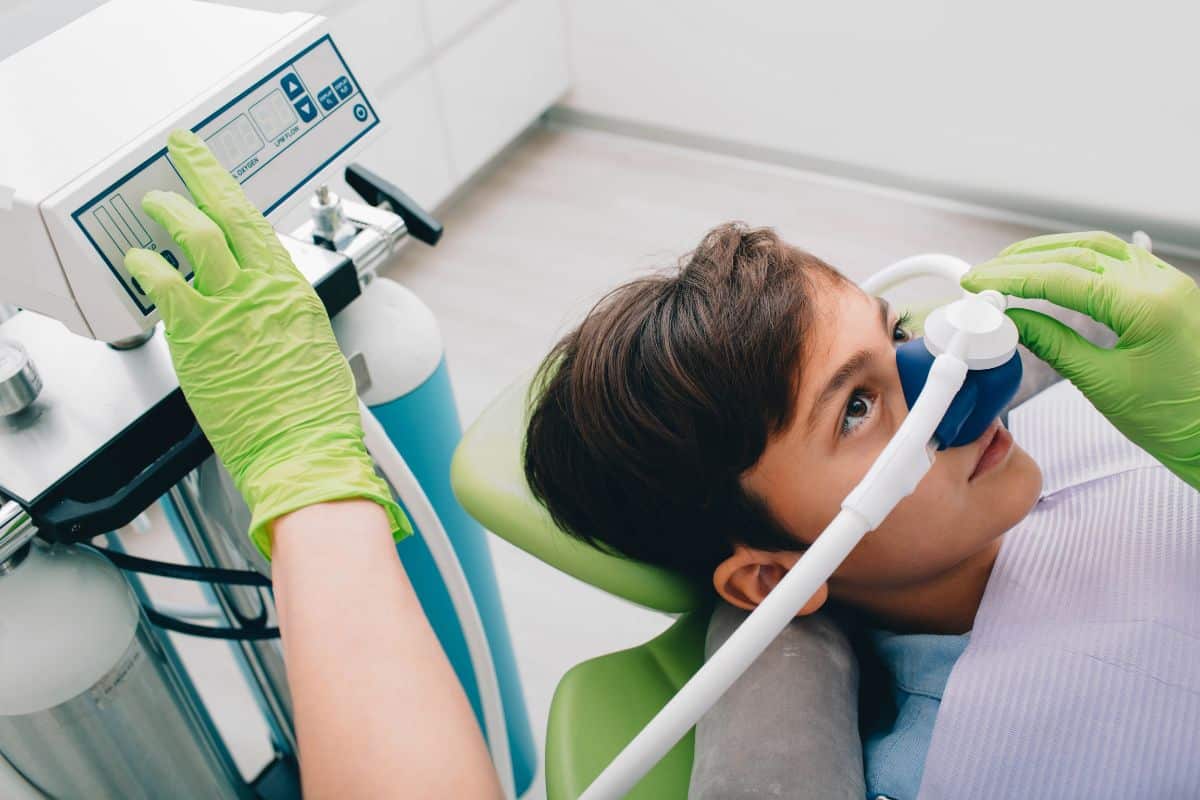
Nitrous oxide: Also called laughing gas, nitrous oxide is inhaled through a small mask. It helps many patients feel relaxed during treatment, and its effects generally wear off relatively quickly after administration.
Oral sedation: This involves taking prescribed medication before an appointment. The level of relaxation varies, and patients may feel drowsy. Depending on the medication and dosage, transportation assistance and additional precautions may be necessary.
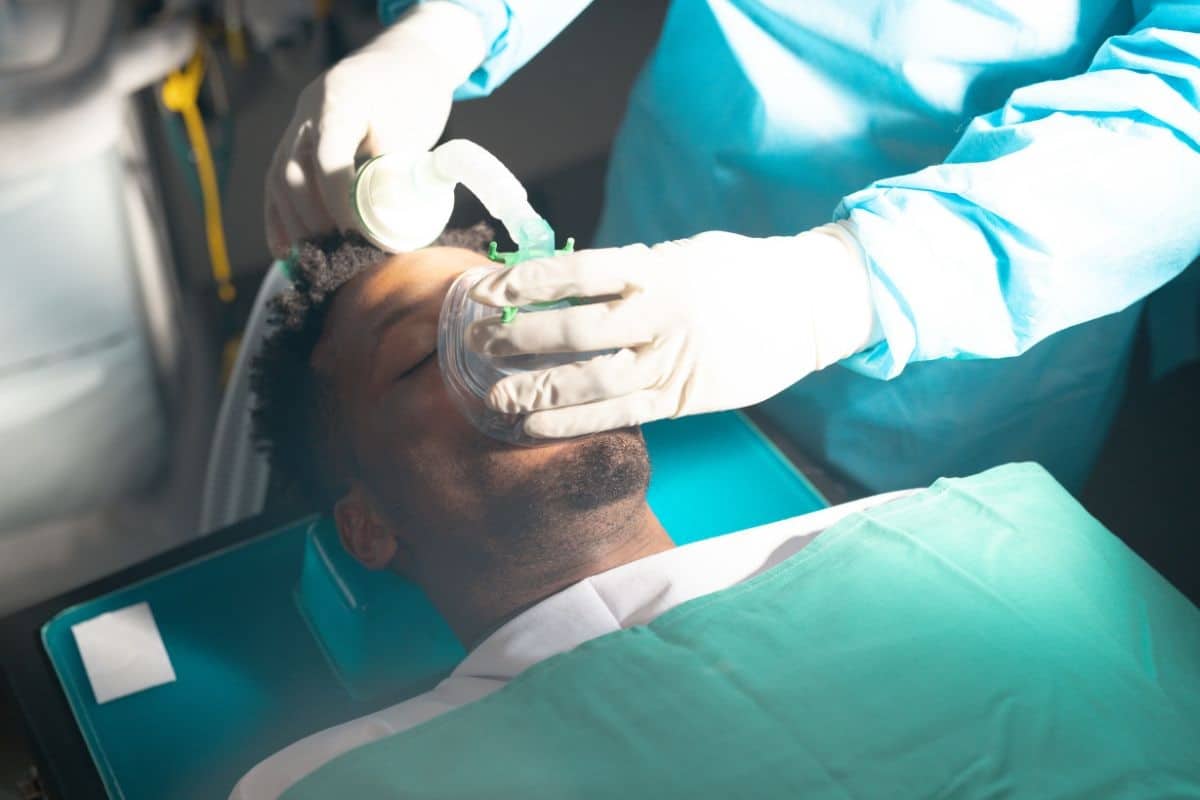
Other forms of sedation: Deeper sedation methods may be appropriate in selected circumstances, depending on the provider’s training, available monitoring, and the patient’s needs.
Not every dental office offers every sedation method. Your dental provider can explain which options are available and appropriate.
Who May Benefit From Sedation Dentistry?
Sedation may be worth discussing if you:
- Experience significant anxiety before dental appointments.
- Have difficulty tolerating dental procedures because of sensitivity.
- Have postponed treatment because of previous uncomfortable experiences.
- Need extensive dental work or multiple procedures.
- Have a strong gag reflex that makes treatment challenging.
- Find it difficult to remain relaxed or still during appointments.
If you recognize these concerns, discussing your symptoms and treatment history with your dental provider is a helpful first step. You can also explore the signs you need sedation dental care to better understand when additional relaxation support may be worth considering.
How Can You Prepare for a Sedation Dentistry Appointment?
Good preparation helps your dental team understand your needs and plan treatment appropriately.
Consider these steps:
- Explain your sensitivity: Tell your dentist which teeth are affected and whether cold, heat, pressure, or brushing triggers discomfort.
- Discuss your medical history: Share your current medications, allergies, existing health conditions, and previous experiences with sedation.
- Ask about anesthesia: Find out whether local anesthesia will be used alongside sedation to manage procedural pain.
- Follow pre-appointment instructions: Some sedation methods require restrictions on eating and drinking. Follow the specific instructions provided by your dental team.
- Arrange transportation if necessary: Certain forms of sedation can affect alertness and coordination. Ask whether someone needs to drive you home.
- Discuss recovery expectations: Understand how long you may feel drowsy and when you can safely return to normal activities.
Never adjust or take sedative medication without instructions from your dental provider.
Finding Comfortable Dental Care in Albuquerque
Living with sensitive teeth should not mean avoiding necessary dental appointments. The right approach starts with understanding what causes the sensitivity and choosing treatment that addresses both your dental needs and comfort concerns.
At LoPour & Associates DDS in Albuquerque, patients can discuss their sensitivity, dental anxiety, and treatment concerns with the dental team. A personalized evaluation can help determine whether sedation is appropriate and what additional measures may make dental procedures more manageable.
If you have been delaying treatment because of discomfort or anxiety, consider scheduling a consultation to discuss your options. You can also explore patient reviews and office information on Google before planning your visit.
Frequently Asked Questions
1. Is sedation dentistry suitable for people with extremely sensitive teeth?
It may be suitable for some patients, particularly when sensitivity is accompanied by dental anxiety or difficulty tolerating procedures. However, the dentist must first evaluate the cause of sensitivity and review the patient’s medical history before recommending an appropriate approach.
2. Does dental sedation mean I will not feel anything during treatment?
Not necessarily. Sedation primarily helps patients relax and manage anxiety. Local anesthesia is often used separately to prevent pain during dental procedures. Your dentist can explain how both approaches may be combined for your treatment.
3. Can sedation dentistry help patients who avoid dental appointments?
Yes. Patients who experience dental anxiety or have difficulty tolerating procedures may find sedation helpful. Whether it is appropriate depends on their medical history, treatment needs, and the available sedation options.
4. Will I be awake during sedation dentistry?
That depends on the sedation method. With nitrous oxide and many oral sedation approaches, patients generally remain conscious, although they may feel relaxed or drowsy. Deeper sedation can produce a different level of awareness and requires appropriate monitoring.
5. Should I treat sensitive teeth before considering sedation?
The underlying cause of tooth sensitivity should be evaluated first. Treating cavities, enamel damage, or exposed roots may reduce discomfort. Sedation can be considered separately if anxiety or difficulty tolerating dental procedures remains a concern.
Make Your Next Dental Visit More Comfortable
Sensitive teeth can make dental appointments feel intimidating, but you do not have to ignore discomfort or postpone necessary care. Identifying the cause of sensitivity, discussing pain-management options, and understanding whether sedation is appropriate can help you make informed decisions.
If you are considering sedation dentistry for sensitive teeth in Albuquerque, contact LoPour & Associates DDS to discuss your concerns and explore an approach that supports your dental health and comfort.