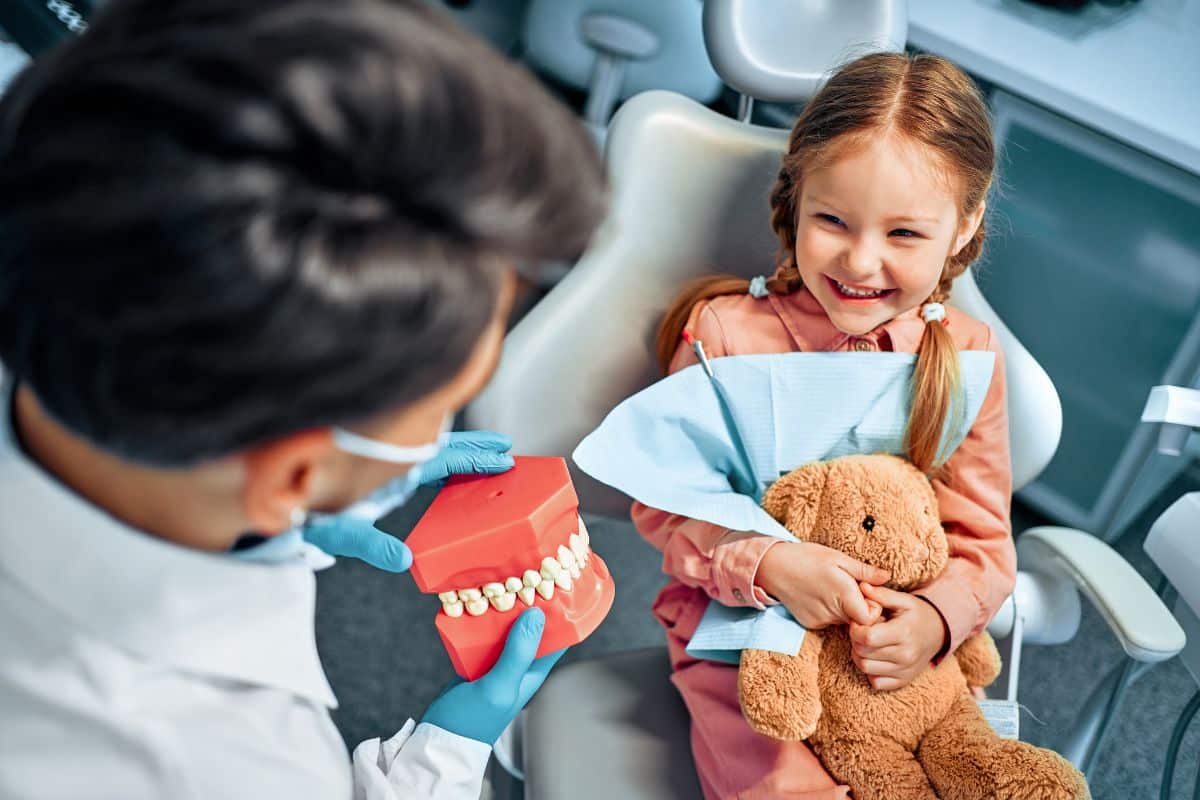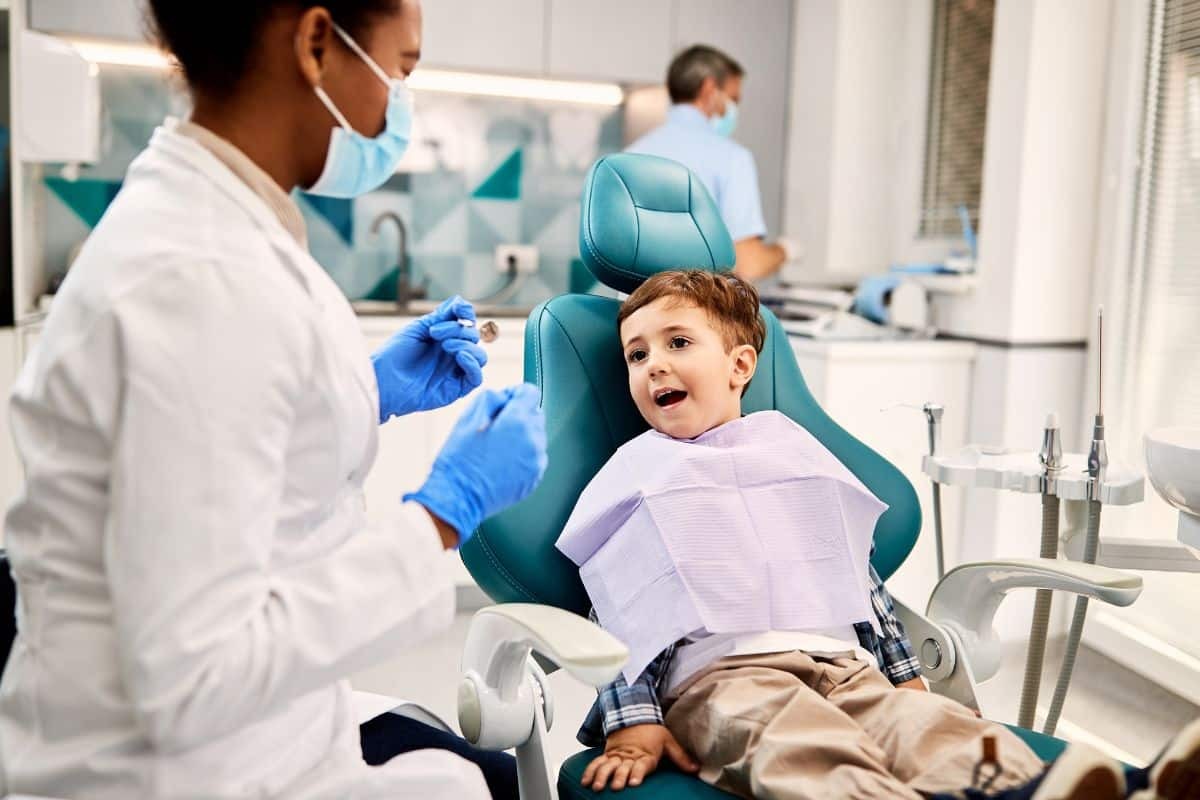

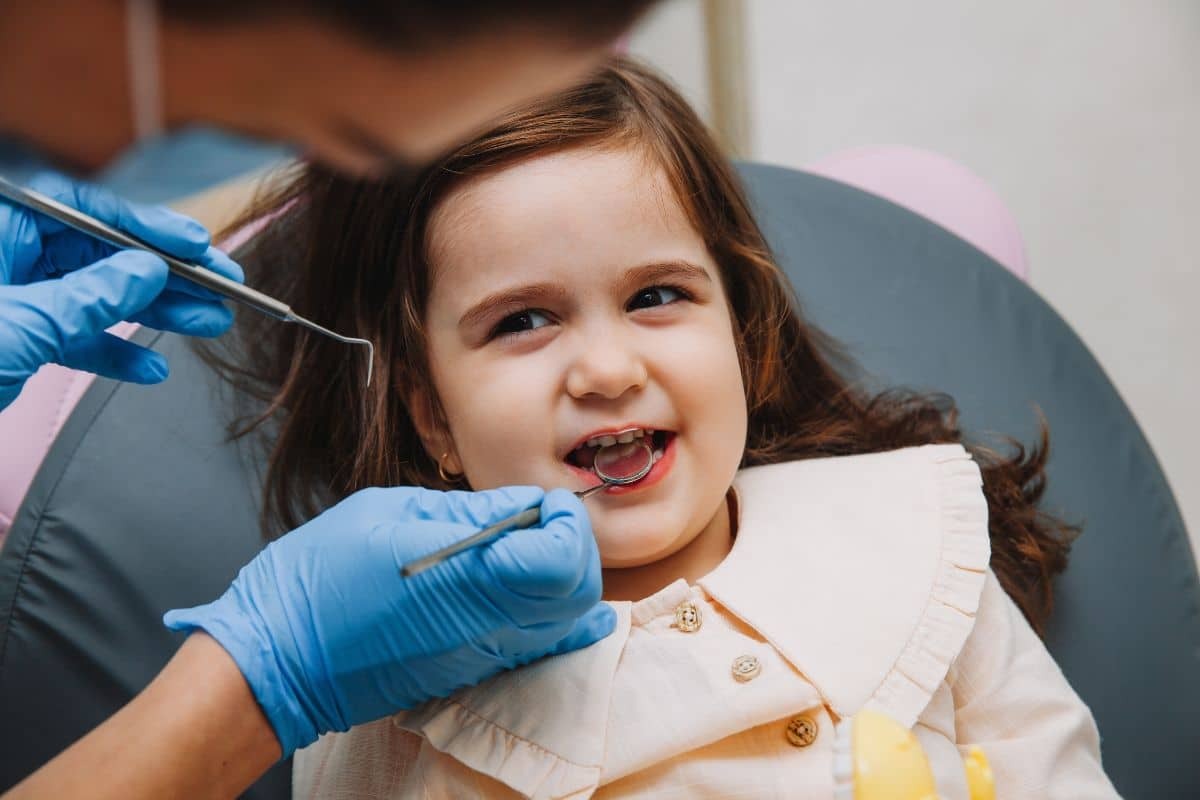
Parents want to see their children grow up with healthy, confident smiles. However, tooth decay remains one of the most common childhood health concerns in the United States. The good news is that preventing cavities in kids is often easier than many parents realize. With the right daily habits, healthy food choices, and regular dental visits, you can significantly reduce your child’s risk of developing cavities.
If you’re looking for practical ways to protect your child’s teeth in Albuquerque, this guide will help you understand the causes of cavities and the steps you can take to keep little smiles healthy for years to come.
Quick Answer
Preventing cavities in kids starts with good oral hygiene, healthy eating habits, fluoride protection, and regular dental checkups. Brushing twice daily, limiting sugary snacks, drinking water, and visiting a pediatric dentist in Albuquerque can help reduce the risk of tooth decay and support lifelong oral health.
What Causes Cavities in Children?
Cavities develop when bacteria in the mouth feed on sugars and starches from food and drinks. These bacteria produce acids that gradually weaken tooth enamel. Over time, this damage can create small holes in the teeth known as cavities.
Several factors can increase a child’s risk of tooth decay, including:
- Frequent consumption of sugary foods and beverages
- Inadequate brushing and flossing
- Lack of fluoride exposure
- Poor dietary habits
- Irregular dental visits
- Deep grooves in the chewing surfaces of teeth
Understanding these risk factors is the first step toward preventing dental problems.
Why Preventing Cavities in Kids Matters
Baby teeth may be temporary, but they play an important role in a child’s development. Healthy primary teeth help children:
- Eat comfortably
- Speak clearly
- Maintain proper spacing for permanent teeth
- Build confidence through a healthy smile
Untreated cavities can lead to pain, infection, difficulty eating, and missed school days. Early prevention helps avoid these complications and supports overall health.
Daily Habits That Help Prevent Cavities
Brush Twice Every Day
Brushing is one of the most effective ways to remove plaque and food particles.
For best results:
- Use a soft-bristled toothbrush
- Brush for two minutes twice daily
- Use fluoride toothpaste
- Supervise younger children while brushing
Children often need assistance with brushing until they develop the coordination to clean all tooth surfaces properly.
Don’t Forget to Floss
Flossing removes plaque and food debris from between teeth where toothbrushes cannot reach.
Parents should begin flossing their child’s teeth once two teeth touch each other. Making flossing part of the daily routine can help prevent cavities between teeth.
Encourage Drinking Water
Water helps rinse away food particles and bacteria throughout the day. Fluoridated water also strengthens tooth enamel and helps protect against decay.
Choosing water over sugary drinks can significantly lower cavity risk.
Make Smart Food Choices
Limit Sugary Snacks and Drinks
Sugary foods provide fuel for cavity-causing bacteria. Common culprits include:
- Candy
- Cookies
- Sports drinks
- Soda
- Fruit-flavored beverages
Reducing the frequency of sugary snacks is often more important than eliminating them completely.
Choose Tooth-Friendly Foods
Healthy snacks can support strong teeth and gums.
Good options include:
- Cheese
- Yogurt
- Fresh fruits
- Vegetables
- Nuts (when age appropriate)
- Whole grains
Foods rich in calcium and phosphorus help strengthen developing teeth.
Avoid Constant Snacking
Frequent snacking exposes teeth to repeated acid attacks throughout the day. Allowing time between meals gives saliva a chance to neutralize acids and protect enamel.
The Role of Fluoride in Cavity Prevention
Fluoride is a naturally occurring mineral that helps strengthen tooth enamel and reverse early stages of tooth decay.
Sources of fluoride may include:
- Community water supplies
- Fluoride toothpaste
- Professional fluoride treatments
Your dentist can determine whether your child may benefit from additional fluoride protection based on their individual risk factors.
Dental Sealants: Extra Protection for Growing Smiles
Dental sealants are thin protective coatings applied to the chewing surfaces of molars.
These sealants:
- Block food and bacteria from deep grooves
- Reduce cavity risk
- Are painless to apply
- Can last for several years
Many children benefit from sealants as soon as their permanent molars erupt.
How Often Should Children Visit the Dentist?
Routine dental visits are an important part of preventing cavities in kids.
Most children should visit the dentist every six months for professional cleanings, oral examinations, fluoride treatments when recommended, and early detection of dental concerns. If you’re wondering why specialized children’s dental care matters, learn more about why pediatric dentists are important and how they help support healthy smiles from an early age. Regular checkups allow problems to be identified before they become more serious and costly to treat.
Signs Your Child May Have a Cavity
Even with good prevention, cavities can sometimes develop. Watch for symptoms such as:
- Tooth sensitivity
- Tooth pain
- White, brown, or black spots on teeth
- Pain while eating
- Visible holes in teeth
If you notice any of these signs, schedule a dental appointment promptly.
Are Cavity Treatments Expensive?
Preventive dental care is generally much more affordable than treating advanced tooth decay.
Preventive services may include:
- Routine exams
- Professional cleanings
- Fluoride treatments
- Dental sealants
Early intervention often helps families avoid more complex procedures such as fillings, crowns, or extractions later.
Why Choose LoPour & Associates DDS in
Frequently Asked Questions
At what age should my child start brushing their teeth?
Parents should begin cleaning their child’s teeth as soon as the first tooth appears. Use a soft infant toothbrush and a small amount of fluoride toothpaste appropriate for the child’s age.
How can I tell if my child is at high risk for cavities?
Children who frequently consume sugary foods, have poor brushing habits, or miss regular dental visits may have a higher risk of developing cavities. Your dentist can perform a risk assessment during an exam.
Are baby teeth really important if they eventually fall out?
Yes. Baby teeth help children eat, speak, and maintain proper spacing for permanent teeth. Untreated decay in baby teeth can lead to pain and future dental complications.
What foods help strengthen my child’s teeth?
Foods rich in calcium, phosphorus, and vitamins support strong teeth. Cheese, yogurt, leafy greens, fruits, vegetables, and whole grains are excellent choices.
Do dental sealants hurt?
No. Dental sealants are painless and non-invasive. The process usually takes only a few minutes per tooth and provides added protection against cavities.
How often should my child see a pediatric dentist in Albuquerque?
Most children should visit the dentist every six months for preventive care, cleanings, and examinations. Your dentist may recommend a different schedule based on your child’s needs.
Conclusion
Preventing cavities in kids requires a combination of healthy habits, nutritious food choices, fluoride protection, and regular dental care. By encouraging proper brushing and flossing, limiting sugary snacks, and scheduling routine checkups, parents can help their children maintain healthy smiles for years to come.
If you’re looking for trusted guidance on preventing cavities in kids, the team at LoPour & Associates DDS is here to help. Schedule your child’s next dental appointment today by calling +1 5052987475 and take the next step toward a healthier smile.
Want to stay updated with the latest dental tips, office announcements, and patient success stories? See patient reviews on Google to learn more about the experiences of local families and stay connected with our dental team.