
Dental implants have revolutionized tooth replacement, offering a solution that looks, feels, and functions remarkably like natural teeth. A common and crucial question arises for anyone considering this investment in their oral health: “How long do dental implants last?” The good news is that, with proper care, dental implants are designed for exceptional longevity, often serving patients for decades, and in many cases, a lifetime.
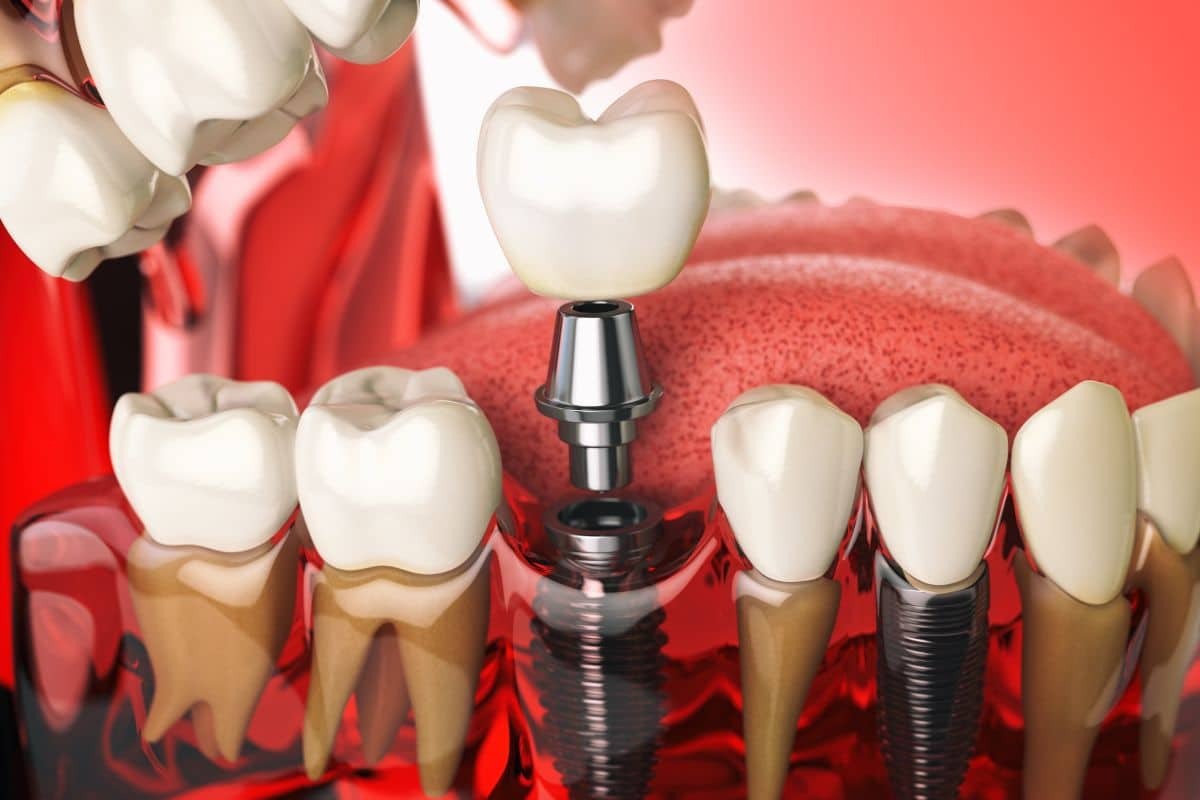
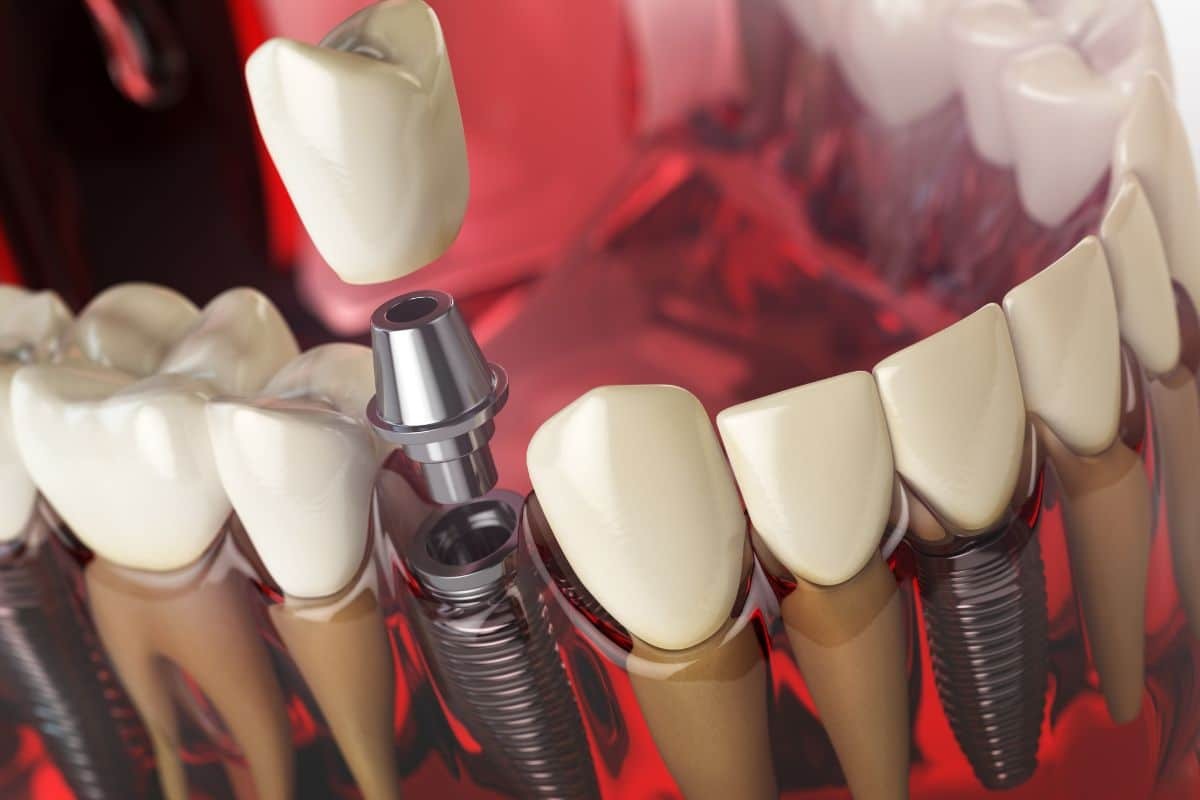
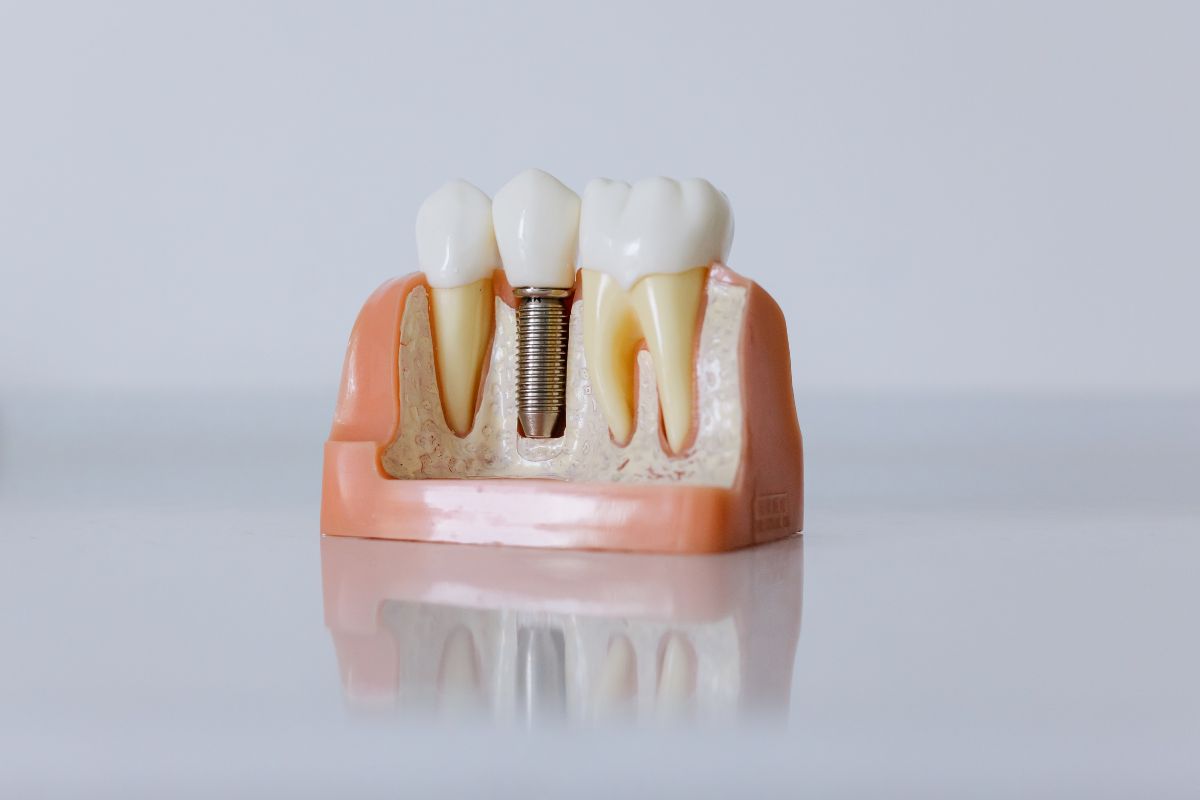
However, it’s important to understand that a dental implant isn’t a single, monolithic unit. It consists of three main parts: the titanium implant post (which integrates with your jawbone), the abutment (a connector), and the dental crown (the visible tooth part). Each component has its own expected lifespan, though the implant post itself is the star of the show regarding durability.
The Implant Post: Built to Last a Lifetime
The titanium implant post, surgically placed into your jawbone, is incredibly durable. Thanks to a process called osseointegration, the jawbone naturally fuses with the titanium, creating a bond that is as strong, if not stronger, than a natural tooth root. This biological integration means the implant post becomes a permanent part of your anatomy. With diligent care, the implant post itself has an impressive success rate, often lasting 25 years or more, and frequently for the rest of a patient’s life. Cases of implants lasting 30, 40, or even 50 years are not uncommon.
The Crown: The Wear and Tear Component
While the implant post is designed for permanence, the dental crown that sits on top of the abutment experiences daily wear and tear, just like a natural tooth. Biting, chewing, and general use can gradually affect its integrity. Therefore, the crown typically has a shorter lifespan than the implant post, usually needing replacement every 10 to 15 years. However, many crowns can last even longer with excellent oral hygiene and by avoiding damaging habits. Replacing a crown is a much simpler and less invasive procedure than the initial implant placement, as the foundational implant post remains intact.
Factors Influencing Dental Implant Longevity:
The remarkable lifespan of dental implants isn’t guaranteed; several key factors heavily influence it:
- Oral Hygiene: This is perhaps the most critical factor. Just like natural teeth, implants require meticulous daily brushing and flossing to prevent plaque buildup and gum disease (specifically, peri-implantitis, an inflammation around the implant that can lead to bone loss and implant failure).
- Bone Health and Density: A strong, healthy jawbone is fundamental for successful osseointegration. If bone density is compromised (e.g., due to osteoporosis or long-term tooth loss), bone grafting may be necessary to ensure a stable foundation, which can impact the overall timeline but is crucial for longevity.
- Lifestyle Choices:
- Smoking: Smoking significantly impairs blood flow and the body’s healing capabilities, drastically increasing the risk of implant failure and shortening the lifespan.
- Bruxism (Teeth Grinding/Clenching): Chronic grinding or clenching puts excessive stress on implants, potentially leading to complications or premature wear of the crown. A nightguard is often recommended for those who clench or grind.
- Diet: While implants allow you to eat almost anything, habitually biting on extremely hard items (like ice, hard candies, or using teeth as tools) can damage the crown or even the implant.
- Overall Health: Systemic conditions like uncontrolled diabetes or certain autoimmune diseases can affect healing and the long-term success of implants.
- Skill of the Surgeon: The precision and experience of the dentist or oral surgeon placing the implant play a significant role in its initial stability and long-term success.
- Regular Dental Check-ups: Routine visits to your dentist allow for professional cleanings and early detection of any potential issues, ensuring timely intervention.
A Long-Term Investment in Your Smile:
Dental implants offer superior longevity and stability compared to traditional bridges (which typically last 10-15 years) or dentures (5-10 years). While the initial cost may be higher, their durability and minimal need for replacement often make them a more cost-effective solution over a lifetime. By committing to excellent oral hygiene and regular dental care, you can provide yourself with a beautiful, functional smile for many years to come.