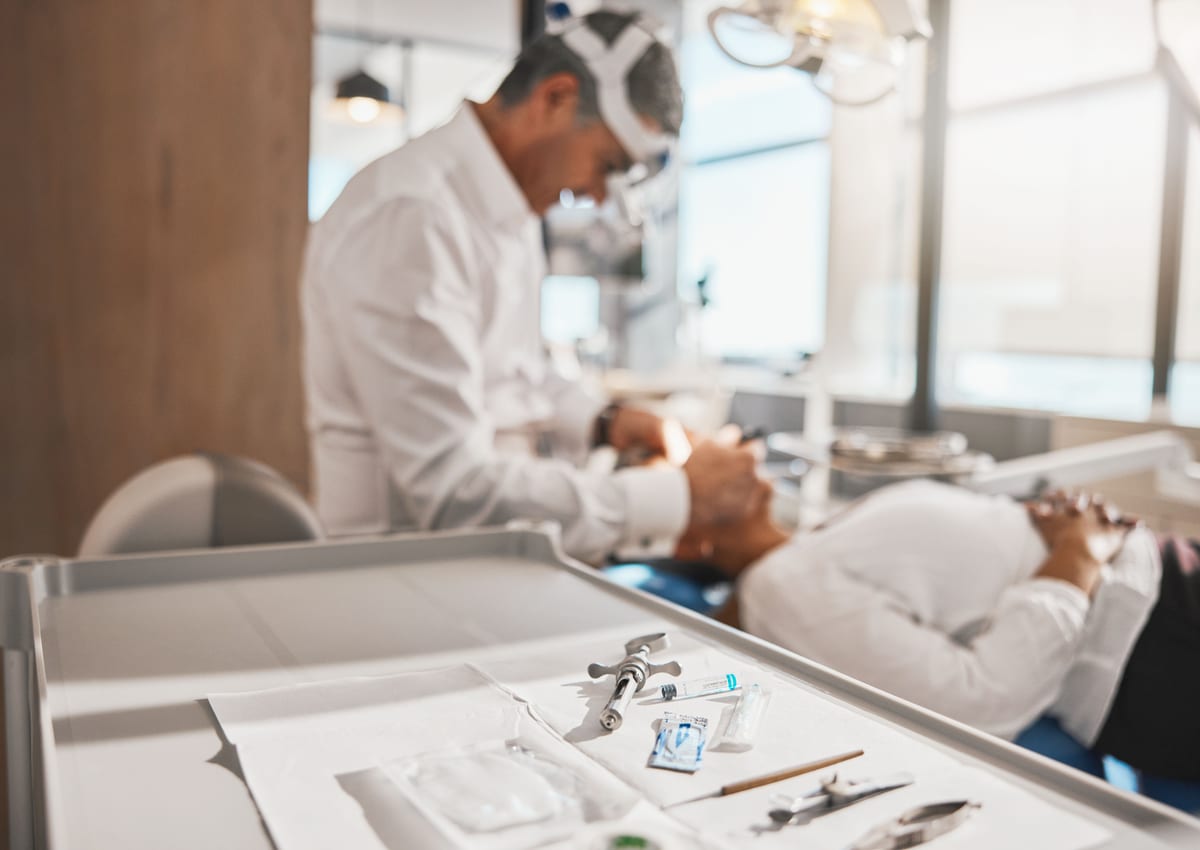


Most North Valley patients are familiar with the routine dental cleaning. You sit back, the hygienist cleans your teeth, and you’re done in under an hour. But sometimes a standard cleaning simply isn’t enough. Scaling and Root Planing — when your teeth need more than a regular cleaning in North Valley — is a deeper, more targeted procedure. Understanding the difference between these two treatments helps you make informed decisions about your oral health.
What Happens During a Regular Dental Cleaning?
A routine cleaning, known clinically as prophylaxis, removes plaque and tartar from the surfaces of your teeth. Your hygienist uses specialized tools to polish above and just below the gumline. This type of cleaning is ideal for patients who maintain healthy gums and visit the dentist consistently every six months.
Regular cleanings are preventive in nature. They stop plaque from hardening into tartar and help you avoid gum disease before it begins. However, they are not designed to treat an infection that has already formed beneath the gums. If bacteria have migrated deeper into the gum pockets, a regular cleaning cannot reach them effectively.
Think of a routine cleaning like regular car maintenance. It keeps your vehicle running well. But if the engine already has a problem, maintenance alone won’t fix it. The same logic applies to your gums.
Scaling and Root Planing: What Makes It Different in North Valley?
Scaling and root planing is a non-surgical procedure specifically designed to treat gum disease — also called periodontitis. It goes well beyond what a standard cleaning accomplishes. Dr. Greg LoPour recommends this treatment when gum pockets measure 4mm or deeper, or when signs of active infection are present.
The procedure has two distinct phases:
- Scaling: Your dental professional removes tartar and bacterial deposits from below the gumline, deep into the gum pockets.
- Root Planing: The roots of your teeth are carefully smoothed. This removes rough surfaces where bacteria tend to cling and reattach.
- Local Anesthesia: Because the procedure reaches sensitive tissue, a local anesthetic is used to keep you comfortable throughout.
- Multiple Visits: Depending on how many areas are affected, treatment may be divided across two appointments.
Scaling and root planing targets the source of the infection rather than just the visible buildup. It gives your gums a clean, smooth surface to reattach to naturally. This makes it the first-line clinical response to gum disease in most cases.
How Do You Know If You Need a Deep Cleaning?
Your dentist or hygienist will measure the depth of your gum pockets during a periodontal exam. Healthy gum pockets are typically 1–3mm deep. Pockets at 4mm or greater suggest that gum disease has taken hold. Pockets of 5mm or more often require immediate intervention.
Beyond pocket depth, other warning signs may indicate the need for scaling and root planing:
- Gums that bleed regularly when you brush or floss
- Persistent bad breath that doesn’t improve with brushing
- Gums that appear red, swollen, or pull away from your teeth
- Teeth that feel loose or have shifted position
- Visible tartar buildup below the gumline on X-rays
Many patients don’t experience pain in the early stages of gum disease. That’s why consistent dental checkups matter so much. Early detection means earlier, less invasive treatment. Waiting too long can lead to bone loss and eventually tooth loss.
What to Expect After Scaling and Root Planing
After your procedure, some sensitivity and mild soreness are completely normal. Your gums may feel tender for a few days. Most patients manage discomfort easily with over-the-counter pain relievers and a soft-food diet for 24–48 hours.
Your gums will begin to heal relatively quickly. Swelling reduces, and pockets often shrink as gum tissue reattaches to the smoothed root surfaces. Dr. LoPour typically schedules a follow-up exam 4–6 weeks after treatment to evaluate your progress.
Aftercare at home plays a critical role in your recovery. Consistent brushing, flossing, and using any prescribed rinse helps prevent bacteria from returning. Many patients are then placed on a three- to four-month maintenance schedule rather than a standard six-month recall.
In some cases, untreated gum disease can contribute to tooth loss. When teeth are lost, patients may explore tooth replacement options like Dental Implants North Valley as a long-term solution. Early treatment of gum disease helps protect your teeth and helps you avoid more complex restorative procedures down the road.
Why Timely Treatment Matters for North Valley Patients
Gum disease doesn’t stay confined to your mouth. Research continues to link untreated periodontitis to systemic health conditions including heart disease, diabetes complications, and respiratory issues. Treating gum disease early is an investment in your overall wellness, not just your smile.
Delaying treatment allows bacteria to spread deeper below the gumline. Bone loss can accelerate quickly once active infection takes hold. The sooner you address the problem, the more tissue and bone can be preserved.
If you experience sudden gum pain, significant bleeding, or notice a tooth feels loose, don’t wait for your next scheduled visit. Reach out for Emergency Dentistry North Valley to get evaluated promptly. Catching complications early can make a significant difference in outcomes.
At LoPour & Associates DDS Smiles by Design Family & Cosmetic Dentistry, Dr. LoPour and his team take a patient-centered approach to gum health. Every treatment recommendation is based on your individual clinical findings — never a one-size-fits-all approach.
Frequently Asked Questions
Is scaling and root planing painful?
Most patients experience minimal discomfort during the procedure because local anesthesia is used. After treatment, mild soreness and sensitivity are common for a few days. Over-the-counter pain relievers and soft foods help manage any post-procedure discomfort comfortably.
How long does scaling and root planing take?
Treatment time depends on how many areas of the mouth are affected. Many patients complete the procedure in one to two appointments. Each session typically lasts between 45 minutes and 90 minutes. Dr. LoPour’s team will give you a clear timeline based on your specific needs before you begin.
Can gum disease come back after a deep cleaning?
Yes, gum disease can return if consistent oral hygiene is not maintained. After scaling and root planing, most patients transition to a more frequent maintenance schedule. Regular cleanings every three to four months, combined with diligent home care, dramatically reduce the risk of recurrence.
Is scaling and root planing the same as a regular cleaning?
No, they are distinctly different procedures. A regular cleaning addresses plaque and tartar above and just below the gumline. Scaling and root planing goes much deeper into the gum pockets to remove bacterial deposits and smooth root surfaces. It is a targeted treatment for active gum disease, not a preventive measure.
How do I know if I need a deep cleaning or a regular cleaning?
Your dentist or hygienist determines this based on your periodontal exam, including gum pocket measurements and X-rays. Pockets measuring 4mm or deeper, combined with signs of infection or bleeding, typically indicate the need for scaling and root planing. A routine exam is the best way to find out which treatment is right for you.
Understanding the difference between a regular cleaning and scaling and root planing helps you take control of your gum health. Dr. Greg LoPour and the team at LoPour & Associates DDS Smiles by Design in Albuquerque are here to guide you every step of the way. Book Now to schedule your appointment with our team.