

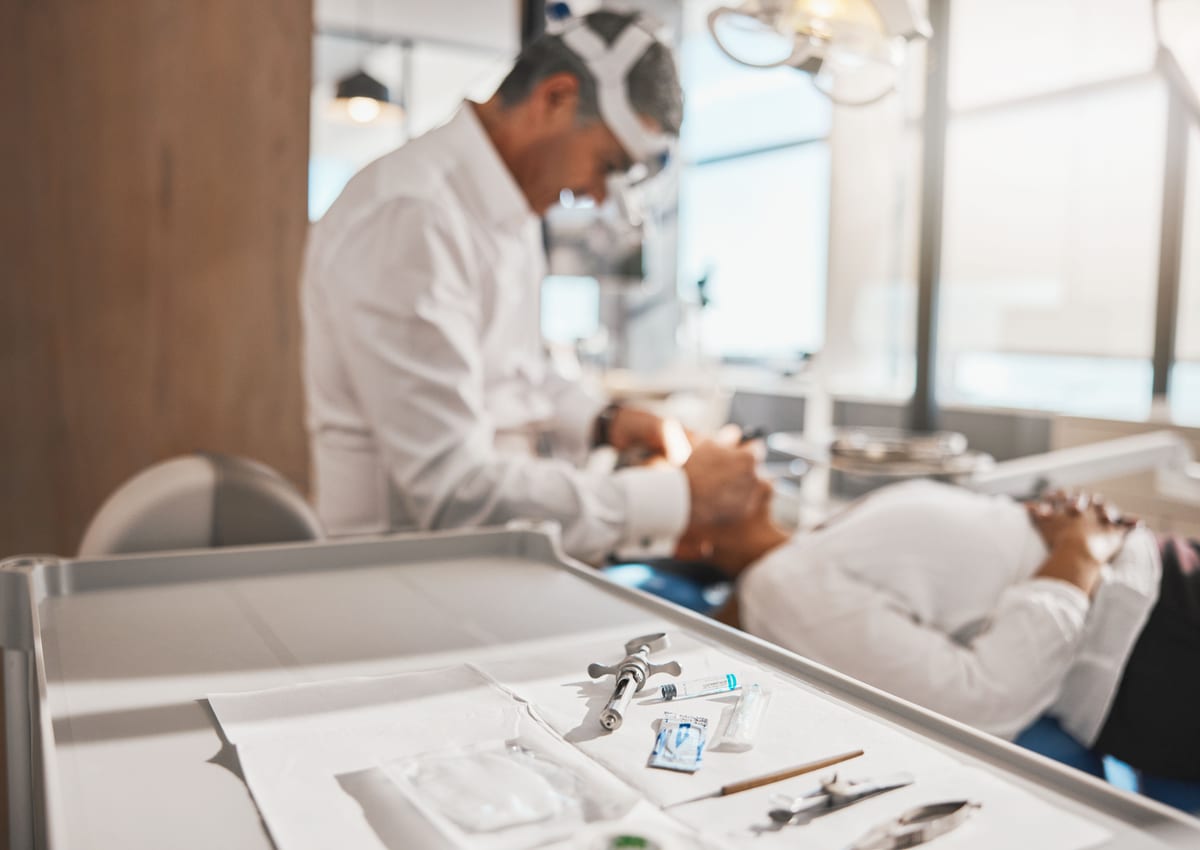
Your dentist just told you that you need a deep cleaning. That news can feel confusing or even alarming. Understanding why your dentist recommends deep cleaning — and what it means for your oral health in Albuquerque — can make the process feel much less overwhelming. At LoPour & Associates DDS Smiles by Design, Dr. Greg LoPour helps patients understand every step of their care.
What Is a Routine Dental Cleaning?
A routine cleaning is also called a prophylaxis. It is designed for patients who have generally healthy gums and minimal buildup. During this visit, a dental hygienist removes plaque and tartar from the surfaces of your teeth.
Routine cleanings typically focus on areas above the gumline. They also include polishing your teeth and checking for early signs of problems. Most patients with healthy gums benefit from a routine cleaning every six months.
This type of cleaning is preventive in nature. It helps you maintain the oral health you already have. It does not treat an existing infection or address deep bacterial buildup below the gumline.
What Is a Deep Cleaning and Why Is It Different?
A deep cleaning is a specific clinical procedure known as scaling and root planing. It goes well beyond what a routine cleaning accomplishes. This procedure targets bacteria, tartar, and infection that have settled beneath the gumline — areas a standard cleaning cannot reach.
Scaling involves carefully removing hardened tartar deposits from the root surfaces of your teeth. Root planing smooths those root surfaces so that gum tissue can reattach properly. Together, these steps give your gums the environment they need to heal.
Here is a quick look at the core differences:
- Routine cleaning: Removes plaque and tartar above the gumline for healthy mouths
- Deep cleaning: Removes infection and buildup below the gumline to treat gum disease
- Routine cleaning: Completed in a single appointment in most cases
- Deep cleaning: Often completed in two appointments, one side of the mouth at a time
- Routine cleaning: Preventive in purpose
- Deep cleaning: Therapeutic and disease-reversing in purpose
When Does a Dentist Recommend Deep Cleaning in Albuquerque?
Dr. LoPour recommends deep cleaning when clinical signs point to gum disease, also called periodontal disease. This condition develops when bacteria below the gumline cause inflammation, infection, and tissue breakdown. It is more common than many patients realize.
During your exam, the dental team measures the depth of the pockets between your teeth and gums. Healthy pockets measure 1 to 3 millimeters. Pockets of 4 millimeters or deeper suggest that gum disease is present and progressing.
Other signs that may prompt a recommendation for deep cleaning include:
- Bleeding gums when you brush or floss
- Persistent bad breath that does not improve with brushing
- Gums that appear red, swollen, or pull away from the teeth
- Visible tartar buildup along the gumline
- Teeth that feel loose or have shifted position
These are warning signs your mouth sends when it needs more than a standard cleaning. Ignoring them allows the disease to advance and can eventually threaten the stability of your teeth.
What to Expect During the Deep Cleaning Process
Knowing what happens during a deep cleaning helps reduce anxiety. The procedure is comfortable when performed with proper care, and Dr. LoPour’s team prioritizes your experience throughout.
Here is what the process typically looks like at our Albuquerque office:
- Local anesthesia: The treated area is numbed so you feel minimal discomfort during the procedure.
- Scaling: The hygienist carefully removes tartar and bacteria from below the gumline using specialized instruments.
- Root planing: The root surfaces are smoothed to encourage healthy gum tissue reattachment.
- Follow-up visit: A few weeks later, we reassess your gum health to measure your progress.
Most patients are surprised by how manageable the procedure feels. Some mild sensitivity in the days following treatment is normal. Your gums will typically begin to look and feel healthier within a few weeks.
Why Skipping a Recommended Deep Cleaning Is Risky
It can be tempting to postpone treatment, especially if your gums do not feel painful right now. However, periodontal disease is often silent in its early stages. You may not notice significant discomfort until the disease has advanced considerably.
Untreated gum disease is the leading cause of tooth loss in adults. It has also been linked to serious systemic health conditions, including heart disease and diabetes. Treating it early with a deep cleaning protects both your smile and your overall well-being.
Patients who follow through with deep cleaning — and maintain consistent follow-up care — can successfully stabilize their gum health. Many avoid the need for more extensive procedures down the road. If tooth loss does eventually occur, options like Dental Implants Albuquerque can help restore your smile effectively.
If a dental emergency arises related to your gum health or tooth pain, Emergency Dentistry Albuquerque is available to address urgent needs promptly and compassionately.
Caring for Your Smile After a Deep Cleaning
After your deep cleaning, maintaining excellent home care habits is essential. Brush gently twice daily with a soft-bristled toothbrush. Floss every day to remove bacteria from between your teeth and along the gumline.
Your dentist will likely recommend more frequent follow-up visits in the months after treatment. These are called periodontal maintenance appointments. They help ensure the infection does not return and that your gum health remains stable.
Staying consistent with these visits is one of the most important things you can do. The goal is always to protect the progress you have made and prevent the disease from progressing further.
Conclusion: Your Gum Health Matters
Understanding when your dentist recommends deep cleaning — and exactly why — helps you make confident decisions about your care. A deep cleaning is not a punishment or a sign of failure. It is a targeted, evidence-based treatment that gives your gums the reset they need to heal. Dr. Greg LoPour and the team at LoPour & Associates DDS Smiles by Design in Albuquerque are here to guide you through every step with honesty and compassion. Book Now to schedule your appointment with our team.
Frequently Asked Questions
Is a deep cleaning painful?
Most patients experience little to no discomfort during the procedure because local anesthesia is used to numb the area. Some mild sensitivity or soreness in the gums is normal in the days following treatment. Over-the-counter pain relievers typically manage any post-procedure discomfort effectively.
How long does a deep cleaning take?
A deep cleaning is usually completed over two separate appointments. Each appointment treats one side of the mouth and generally lasts between 60 and 90 minutes. Splitting the procedure allows the team to work carefully and gives each side time to begin healing.
Will I need a deep cleaning again in the future?
That depends on how well your gum health responds to treatment and how consistently you maintain your home care routine. Many patients transition to a periodontal maintenance schedule — more frequent cleanings every three to four months — to keep gum disease from returning.
Can gum disease go away on its own without treatment?
Gum disease does not resolve on its own once it has progressed below the gumline. Without professional intervention like scaling and root planing, the infection continues to advance and can lead to bone loss and tooth loss over time. Early treatment delivers the best outcomes.
How is deep cleaning different from a regular cleaning in terms of cost?
Deep cleaning is a more involved clinical procedure than a routine cleaning, so it requires more time and specialized instrumentation. The exact cost varies depending on how many areas of the mouth are affected and the severity of the gum disease. The team at LoPour & Associates DDS can review all details with you before your appointment.