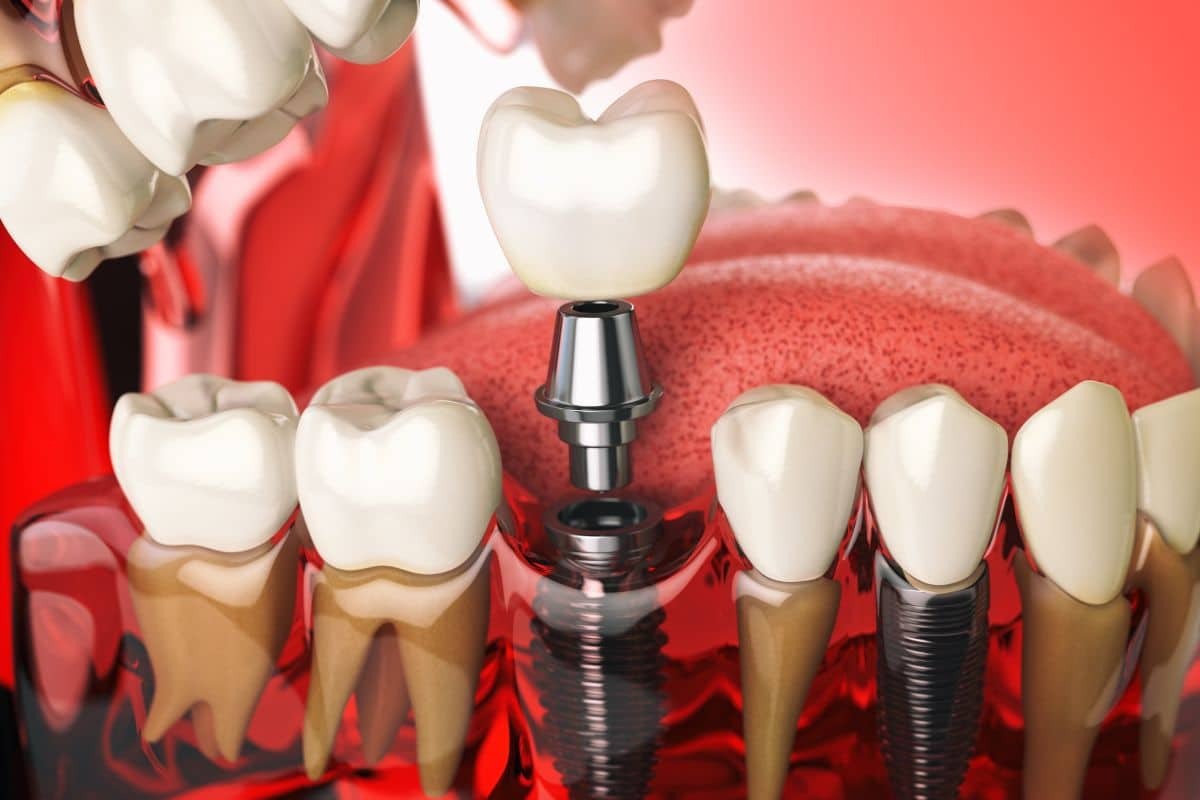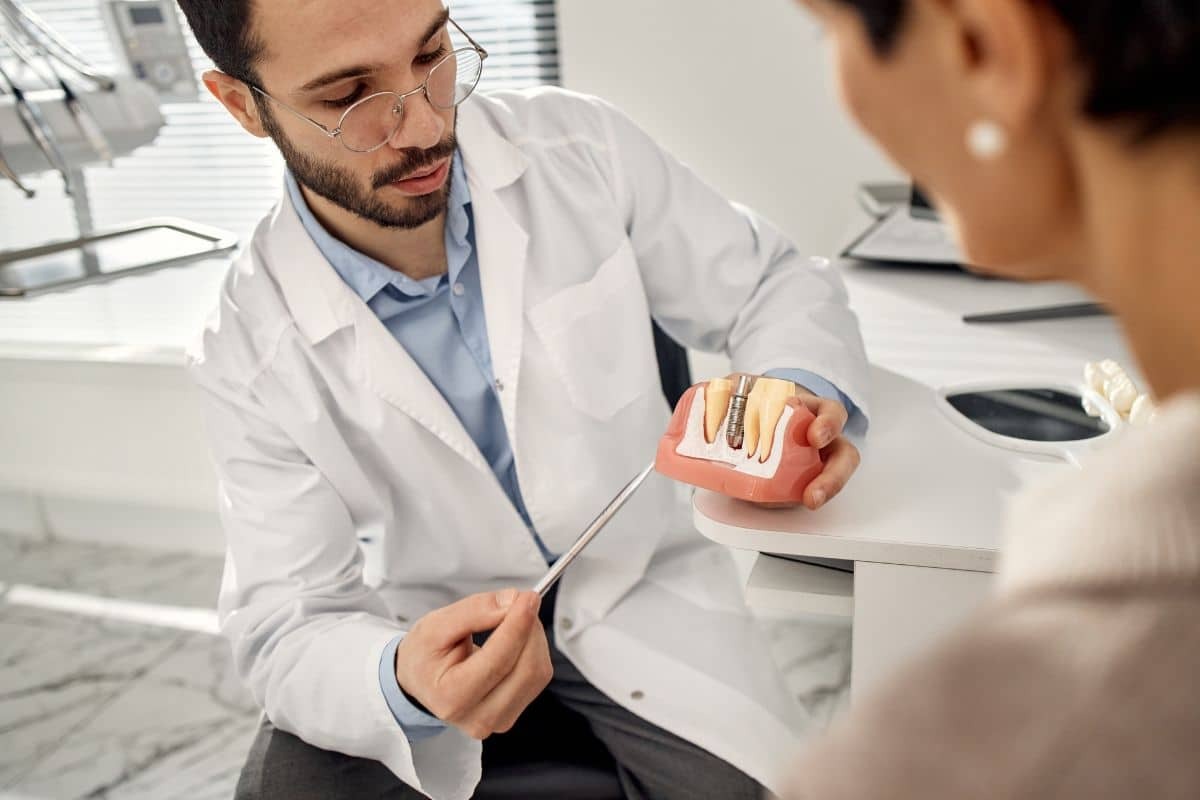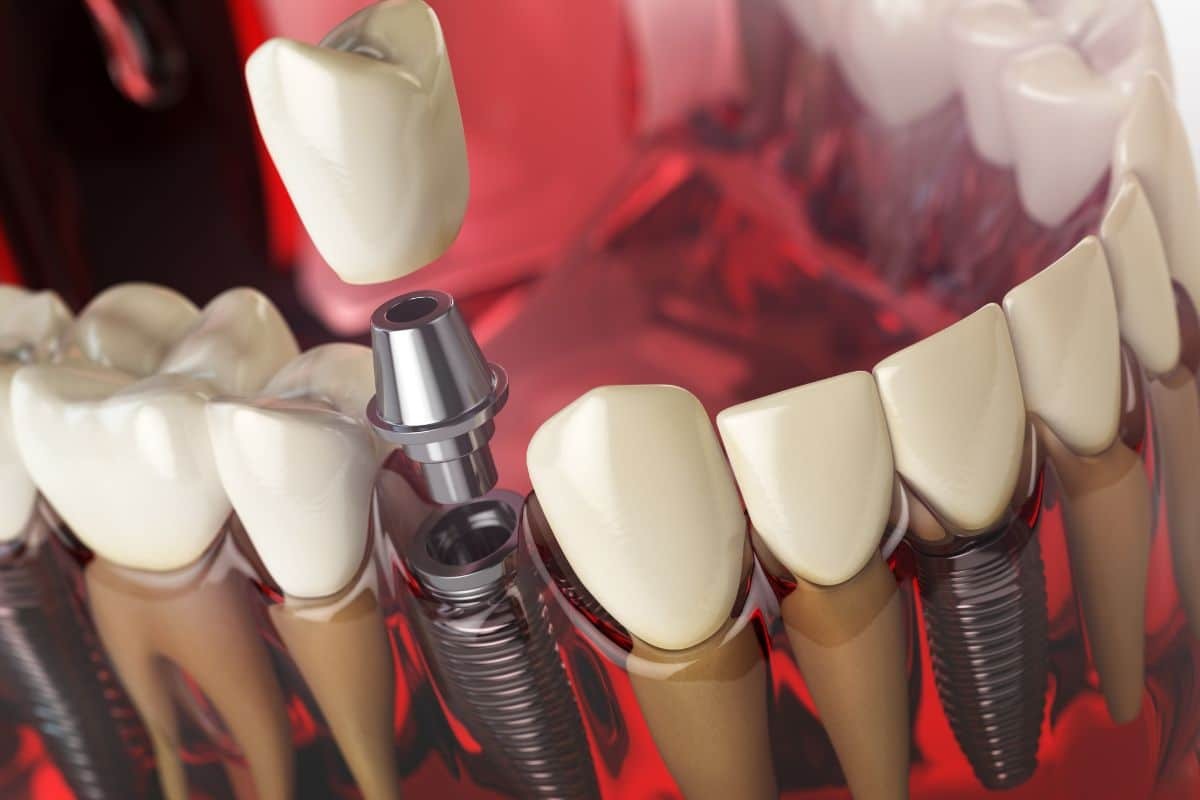
Dental implants are often considered one of the most advanced options for replacing missing teeth, but they are not automatically suitable for everyone. Patients researching dental implants in Albuquerque frequently focus on longevity and appearance, yet overlook the medical and biological requirements that make implants successful. For individuals living in Albuquerque and nearby areas such as Rio Rancho, Corrales, and the North Valley, understanding these limitations is essential before pursuing treatment. This educational guide explains who may need to avoid dental implants, why these restrictions exist, and how safer alternatives can still restore comfort and function.
Who May Need to Avoid Dental Implants
Ongoing health conditions that slow healing
Dental implants rely on the body’s ability to heal after oral surgery. When healing is compromised, implant failure becomes more likely.
Patients with uncontrolled diabetes may experience delayed wound healing and a higher risk of infection. Conditions that affect the immune system, including autoimmune disorders, can reduce the body’s ability to fight bacteria around the implant site. Individuals undergoing radiation therapy to the head or neck may also have weakened jawbone structure, making implant integration unpredictable.
These health concerns do not always permanently disqualify a patient, but they often require medical clearance and careful timing before implant placement is considered.
Bone loss that prevents stability
A dental implant must be anchored in a strong, healthy jawbone to remain stable over time. Without adequate bone density, implants may loosen or fail entirely.
Bone loss often occurs when a tooth has been missing for several years, as the jaw no longer receives stimulation from a natural tooth root. Advanced periodontal disease can also destroy bone in the jaw. While some patients may qualify for bone grafting procedures, others may not be suitable candidates for additional surgery.
In these situations, placing an implant may create more risk than benefit, making alternative tooth replacement options a better choice.
Untreated gum infections
Healthy gums are critical for long-term implant success. Active gum disease creates inflammation and bacterial infection around the teeth and supporting structures.
Placing an implant in an area affected by gum disease significantly increases the risk of peri-implantitis, a condition that can lead to bone loss and implant failure. This is why gum disease must be treated and stabilized before any implant procedure is considered.
Strong oral hygiene habits and regular professional care are essential foundations for any surgical tooth replacement.
Habits that raise failure risk
Lifestyle choices play a major role in dental implant outcomes.
Smoking is one of the most significant risk factors for implant failure. It restricts blood flow to the gums, delays healing, and increases the likelihood of infection. Heavy alcohol consumption can also interfere with bone formation and weaken the immune system during recovery.
Poor nutrition, chronic stress, and inconsistent sleep may further reduce the body’s ability to heal properly. Patients who are unable or unwilling to modify these habits may face a higher risk of complications.
Age-related timing issues
Dental implants are not recommended for patients whose jawbones are still developing. Adolescents and younger teens may experience shifting or misalignment if implants are placed too early.
Older adults can be excellent candidates, but age-related factors such as osteoporosis, chronic medical conditions, or slower healing rates may require additional evaluation. Age alone is not a disqualifier, but it does influence how treatment is planned and whether implants are the safest option.
Medications that affect recovery
Certain medications can interfere with healing, bleeding control, or bone metabolism.
Blood thinners may increase surgical bleeding risk and require coordination with a physician. Long-term steroid use can weaken bone and slow tissue repair. Some medications used to treat osteoporosis or autoimmune conditions may affect how bone heals around an implant.
Providing a complete medication history allows dental professionals to identify risks early and recommend the most appropriate treatment approach. In practices that focus on implant dentistry in Albuquerque, medication review is a critical part of patient screening.
Practical limitations to treatment
Dental implants require time, patience, and commitment. The process typically involves multiple appointments, healing phases, and follow-up visits over several months.
For some patients, the required timeline may not align with work schedules, caregiving responsibilities, or personal circumstances. Financial considerations can also influence whether implant treatment is practical at a given time.
Choosing a treatment option that fits a patient’s lifestyle and expectations is essential for long-term satisfaction.
Better alternatives for some patients
Avoiding dental implants does not mean living with missing teeth. Several non-surgical solutions can restore function and appearance safely and effectively.
Dental bridges can replace one or more missing teeth by using adjacent teeth for support. Partial dentures provide a removable option for patients missing multiple teeth. Full dentures may be recommended for individuals with extensive tooth loss or medical conditions that make surgery unsafe.
Each option has its own advantages, and the best choice depends on oral health, comfort, and long-term goals.
Conclusion
Dental implants can offer excellent results for the right candidates, but they are not appropriate for everyone. Health conditions, bone loss, gum disease, lifestyle habits, medications, and practical considerations all play a role in determining whether implants are a safe and effective option. Understanding these factors helps patients avoid unnecessary complications and choose treatments that support lasting oral health.
Contact us at Lo Pour & Associates DDS, located at 5110 Masthead NE, Ste. A, Albuquerque, NM 87109. Our team is happy to answer your questions and help you explore the best treatment options for your smile.
FAQs
Can I become eligible for dental implants in the future?
Yes. Many patients qualify after improving oral health, managing medical conditions, or making lifestyle changes.
Is bone loss always a permanent barrier to implants?
Not always. Some patients may qualify for bone grafting, while others are better suited for non-surgical options.
Are dental bridges or dentures effective alternatives?
Yes. When implants are not recommended, bridges and dentures can restore comfort, appearance, and daily function very effectively.