
When you get a tooth implant, you expect it to be a long-term solution that will restore your smile. But what happens if gums grow over or around the implant? Is it normal, and what should you do about it?
In this blog, we will answer all the crucial questions and more. We will explain why gums may grow around implants, how they affect your health, and the best ways to manage this condition. If you have dental implants or are considering them, this information will help you maintain a healthy smile.
Why Do Gums Grow Around The Implants?
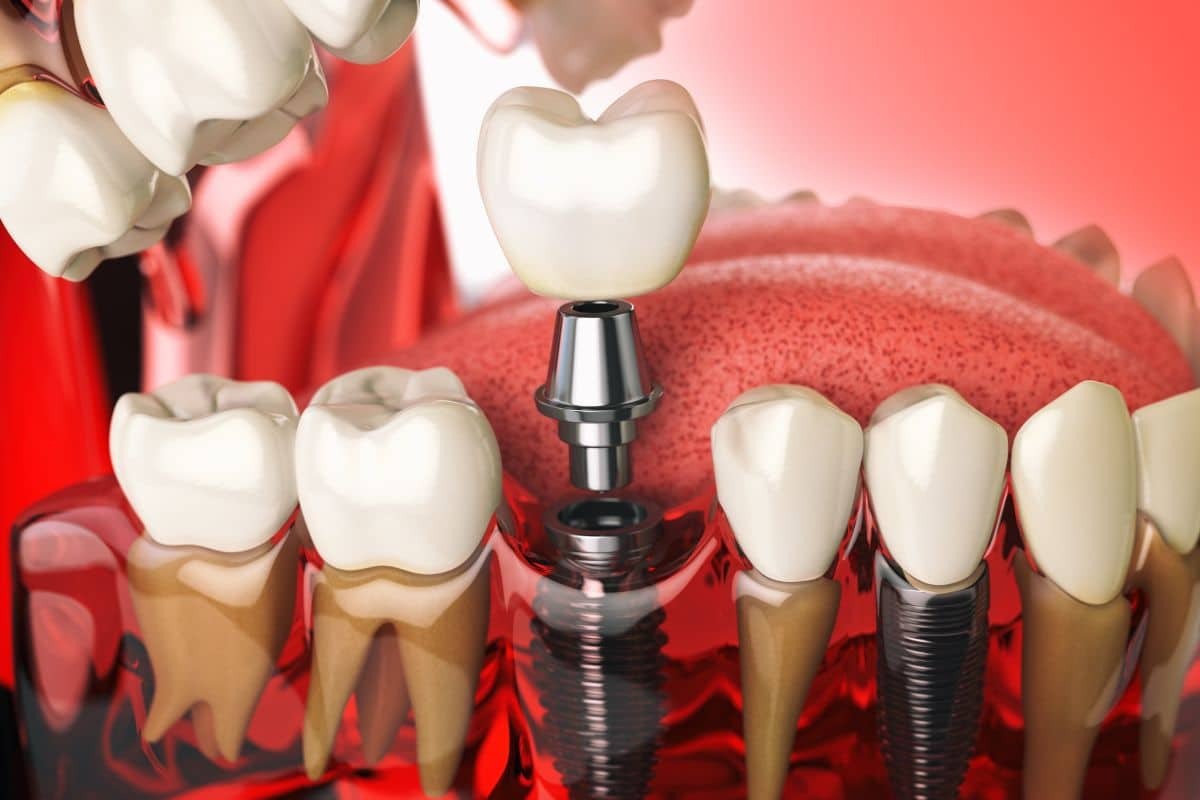
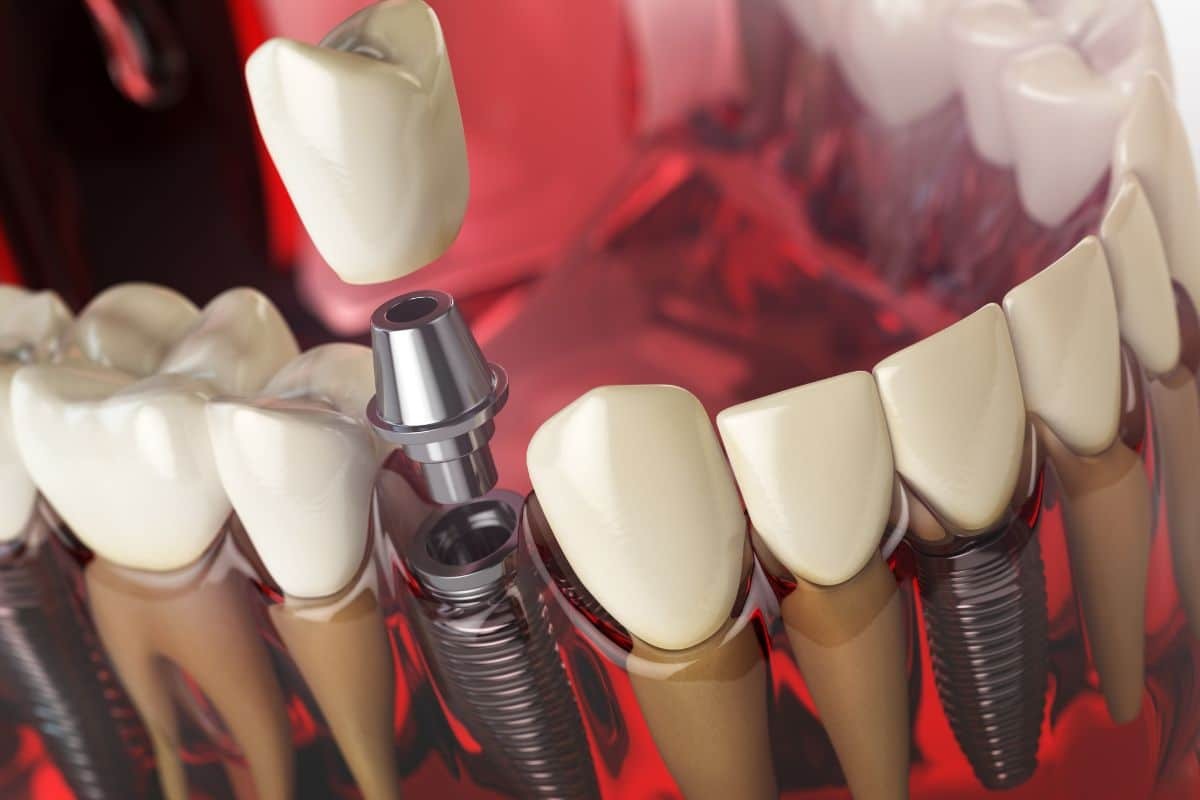
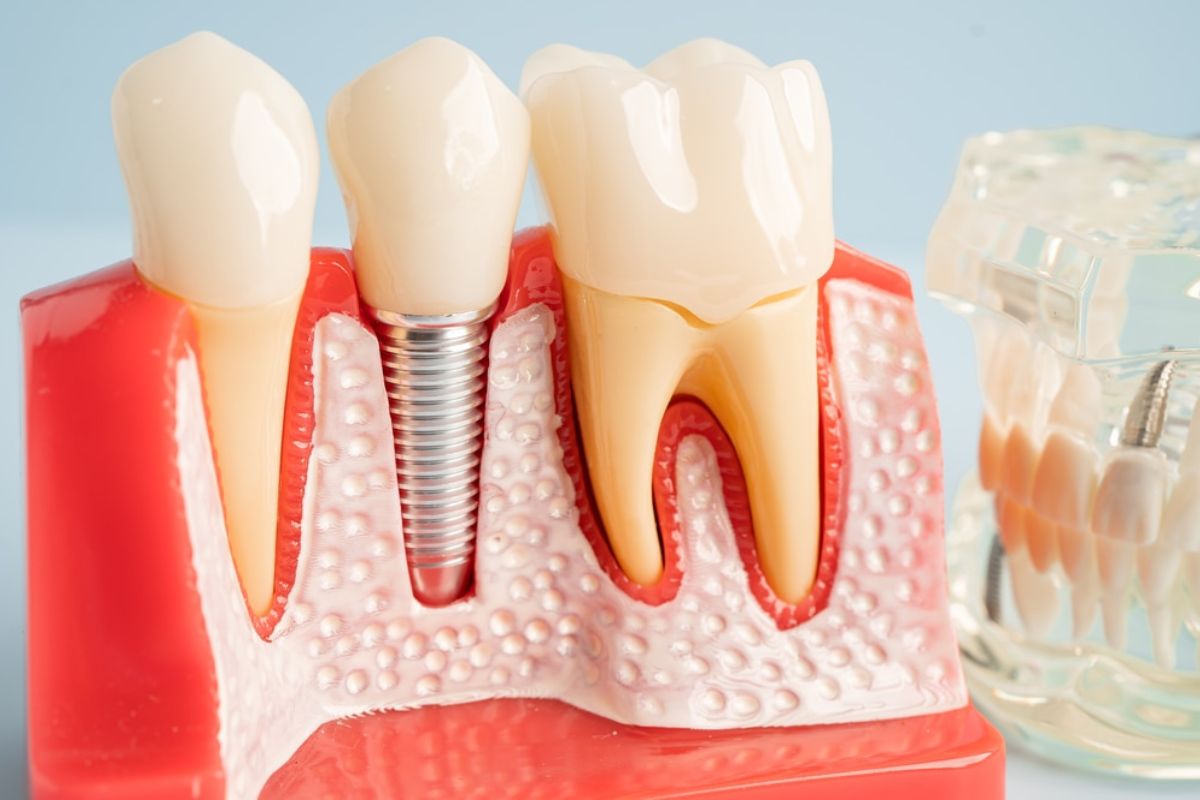
The gum tissue around the implant is essential for its long-term success. Typically, the gums surround the base of the implant. It creates a seal that keeps the bacteria out. However, in some cases, gum tissue can grow around the implant, potentially leading to lots of complications.
Poor Implant Placement or Design
Sometimes, the artificial tooth roots are placed too close to the gum line. It encourages excess gum tissue growth. If the implant is not properly placed in the jaw, the body may attempt to cover it with more gum tissue.
Inflammation or Infection
An untreated infection or gum inflammation around the titanium post can lead to swollen gums. This response may cause gum tissue to grow over the implant area. Gum disease around the titanium post can also trigger this reaction.
Overgrowth Due to Tissue Reaction
In rare cases, the body may react to implant material, causing gum tissue to overgrow. It can happen if there is sensitivity to metal or other materials used in the dental post.
Poor Hygiene
Failing to maintain proper oral hygiene can lead to plaque buildup, which, in turn, can cause inflammation around the dental post. If left untreated, it can cause the gingival tissue to grow over the implant, potentially compromising its stability and integrity.
What Happens If The Gums Grow Around The Tooth Implants?
If the gingival tissue grows excessively around the dental posts, several issues could arise, like-
- Aesthetic Concerns- The dental post may become less visible, affecting the overall look of your smile.
- Infection Risk – Gum overgrowth can increase the area’s susceptibility to bacterial infection. It can further lead to infection, pain, and implant failure.
- Difficulty to Clean– Excessive gum tissue can make it difficult to clean around the dental post. It leads to a high risk of infection and plaque buildup.
How To Treat Gum Overgrowth Around The Implants?
If you notice that your gingival tissue is growing around the dental post, it is crucial to seek professional help. Here’s what you should do-
Consult with Your Dentist
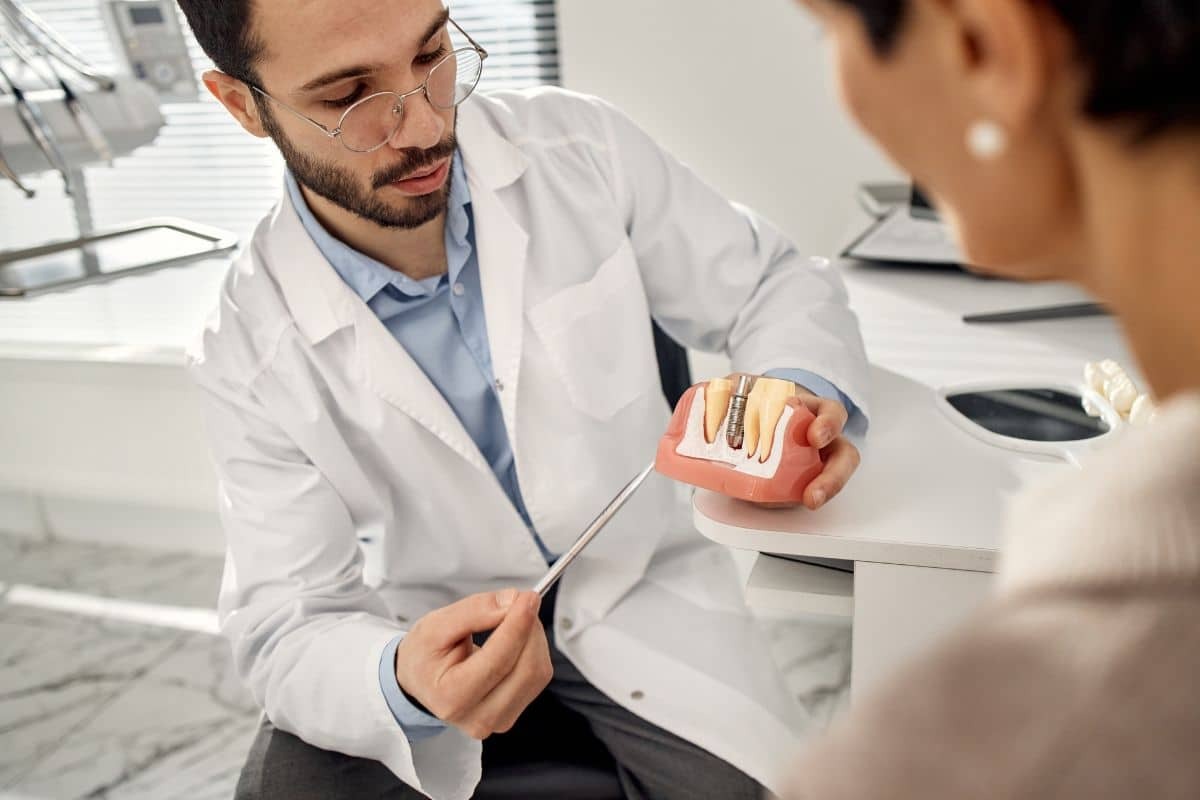
The first step is to seek help from your dentist or oral surgeon. They will assess the situation and determine whether the gum growth is caused by poor placement or inflammation.
Professional Cleaning
If the tissue is related to plaque buildup, a professional cleaning is required. Your dental care provider removes plaque and tartar from the implant area, reducing gum irritation and preventing further overgrowth.
Gum Grafting
In certain conditions, gum reshaping or gum grafting may be required. This procedure removes excess gum tissue to allow the dental post to be visible. This treatment is minimally invasive and can be done under local anesthesia.
Improved Oral Hygiene Practices
Good dental hygiene is crucial in preventing future dental issues. After the treatment, maintaining a consistent cleaning routine, including flossing, brushing, and using an antimicrobial rinse, will help protect the implant.
Gum growth around the implant is a common occurrence, but it can be prevented with proper dental care. If you experience excessive gum health around the dental post, seek help from a dentist immediately.
FAQs
Q. Do Gums Grow Around Implants?
A: Yes, gums can grow around implants, but they won’t attach like they do to natural teeth. Proper healing and care help the gums form a healthy seal around the implant.
Q. Why Are My Gums Starting to Cover My Teeth?
A: Gum tissue growing over teeth, called gingival hyperplasia, can result from poor oral hygiene, medications, hormones, or genetics. See a dentist for diagnosis and treatment.
Q. How to Stop Gums From Growing Over Back Teeth?
A: To stop gums from growing over back teeth, maintain good oral hygiene, avoid triggering medications, and visit a dentist for evaluation. Treatment may include professional cleaning or gum contouring.