As a parent, you probably have plenty to keep track of school, meals, bedtime, activities, and everything in between. Dental visits can sometimes slip down the list, especially when your child’s teeth look healthy. However, children’s dental checkups are an important part of keeping your child’s smile healthy as they grow.
Regular dental visits allow problems such as cavities, gum irritation, and changes in tooth development to be identified early. They also help children become comfortable with dental care before a serious problem develops. For families looking for a kid’s dentist in Albuquerque, LoPour & Associates DDS provides preventive, family-focused dental care designed around children’s changing oral health needs.
Quick Answer
Children’s dental checkups help prevent cavities, monitor tooth and jaw development, reinforce healthy brushing habits, and identify dental problems early. Routine visits also help children become familiar with the dental office, which can make future appointments more comfortable and less stressful.
What Happens During a Child’s Dental Checkup?
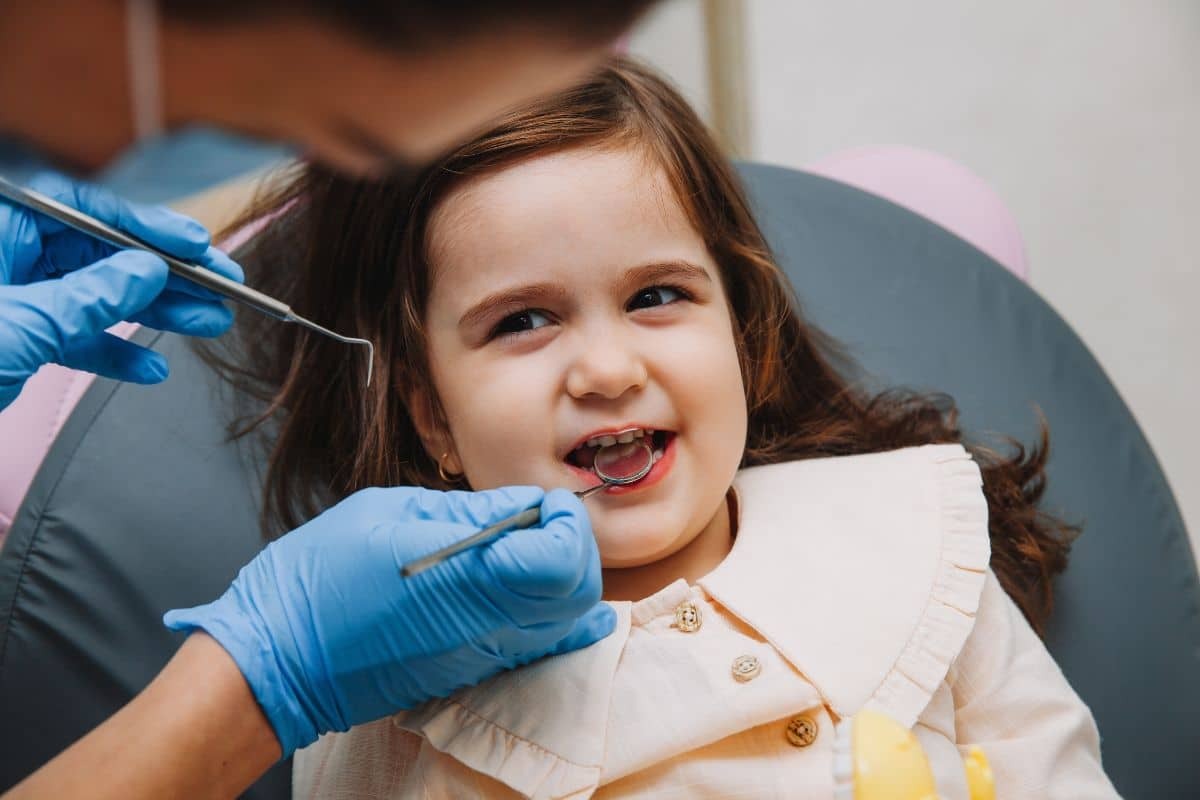
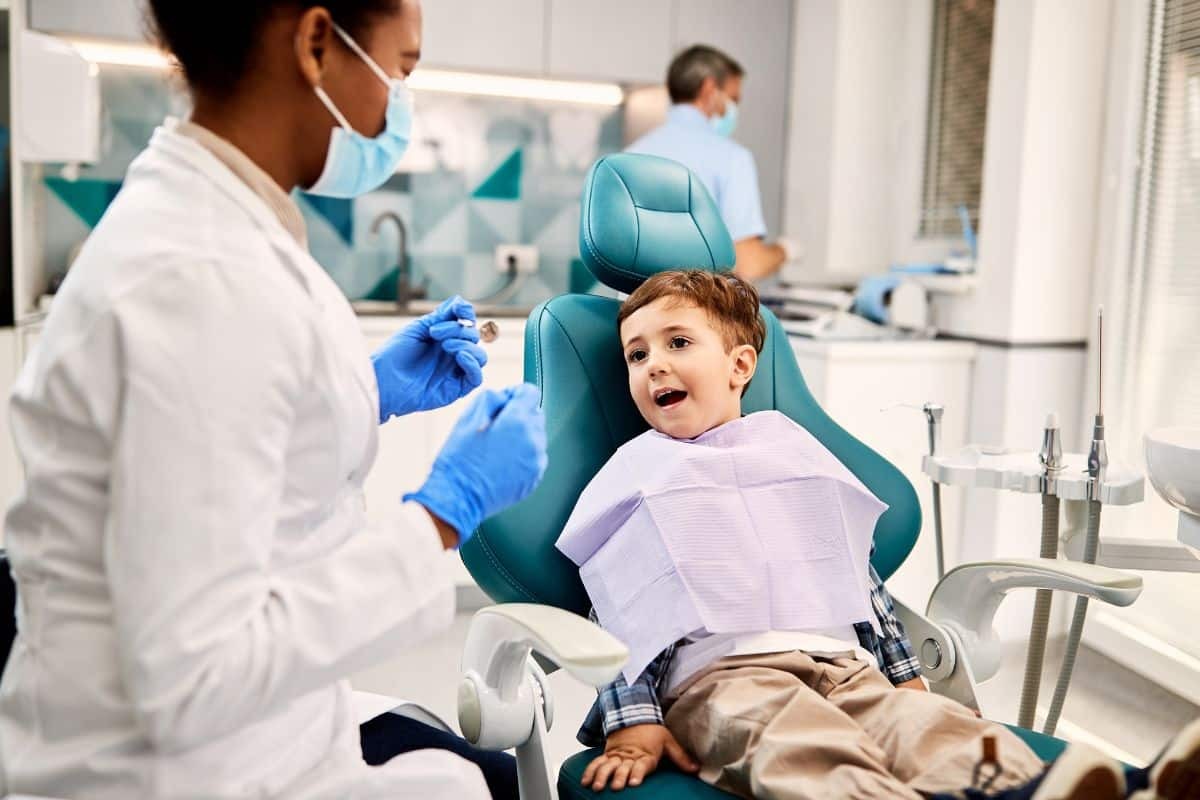
A routine children’s dental checkup is more than simply looking for cavities. The dental team evaluates your child’s overall oral health and watches for changes as their teeth and mouth develop.
Depending on your child’s age and individual needs, a visit may include:
- Examination of the teeth, gums, and mouth
- Professional cleaning
- Assessment for cavities or early signs of decay
- Fluoride treatment when appropriate
- Evaluation of tooth eruption and development
- Discussion of brushing and flossing habits
- Dietary guidance for healthier teeth
- Dental X-rays when clinically appropriate
- Recommendations for continued preventive care
The goal is to catch potential concerns while they are still easier to manage. Your child’s dentist can also explain what is normal for their age and what may require closer attention.
Why Are Children’s Dental Checkups So Important?
1. They Help Prevent Cavities
Children can be particularly vulnerable to tooth decay. Frequent snacking, sugary drinks, inconsistent brushing, and difficulty cleaning certain areas can all contribute to cavities. Parents can also learn practical strategies for how to prevent cavities in children, including healthy brushing habits, smart food choices, and regular dental visits.
Routine dental examinations and professional cleanings give the dental team an opportunity to identify areas where plaque or decay may be developing. Parents can then receive practical recommendations to improve their child’s daily routine.
2. They Monitor Growing Teeth
Children’s mouths change quickly. Baby teeth eventually give way to permanent teeth, and the timing and pattern of this transition can vary.
Regular visits allow the dentist to monitor tooth eruption, spacing, bite development, and other changes. Baby teeth also help children chew, speak, and maintain space for permanent teeth, so caring for them remains important even though they are temporary.
3. They Build Good Dental Habits
Children learn many lifelong habits during their early years. Dental visits reinforce why brushing twice a day, flossing, limiting sugary foods and drinks, and taking care of the gums matter.
A child who becomes comfortable with routine dental care may also be more likely to continue regular visits as they get older.
4. They Can Detect Problems Early
Some dental problems may not cause obvious symptoms at first. A child may not complain about a developing cavity or other oral health concern until the problem becomes more advanced.
Regular checkups provide an opportunity for early detection. Early attention can sometimes mean simpler care and less disruption to your child’s daily life.
When Should a Child First Visit the Dentist?
Parents often ask when they should schedule their child’s first dental appointment. The American Academy of Pediatric Dentistry and other dental organizations generally recommend an initial dental visit around the eruption of the first tooth and no later than the first birthday.
After that, the dentist can recommend an appropriate recall schedule based on your child’s oral health, age, risk of tooth decay, and development.
If your child has tooth pain, swelling, a dental injury, unusual sensitivity, or another concern, you should not wait for the next routine appointment. Contact your dental office for guidance.
How Often Should Kids Have Dental Checkups?
Many children benefit from dental visits approximately every six months. However, there is no single schedule that is right for every child.
A child who has a higher risk of cavities or other dental concerns may need to be seen more often. Your dentist can recommend a personalized schedule after evaluating your child’s teeth, oral hygiene, diet, and overall dental development.
Keeping appointments consistent is often easier when parents treat them as a normal part of their child’s healthcare routine rather than waiting until something hurts.
What Can Parents Do Between Dental Visits?
Dental checkups work best when combined with good home care. Parents play a major role in helping children protect their teeth between appointments.
Try to:
- Help young children brush twice a day with fluoride toothpaste as recommended by their dentist.
- Floss between teeth when the contacts are tight enough to trap food.
- Limit frequent sugary snacks and drinks.
- Encourage water between meals.
- Avoid putting a child to bed with a bottle or cup containing sugary liquids.
- Replace toothbrushes when the bristles become worn.
- Make brushing and flossing part of the same daily routine.
Younger children often need help brushing because they do not yet have the coordination to clean every surface effectively. As they grow, parents can gradually give them more responsibility while continuing to supervise.
What If My Child Is Afraid of the Dentist?
Dental anxiety is fairly common among children, particularly when a visit is unfamiliar. Parents can help by using positive, simple language and avoiding frightening descriptions of dental treatment.
Before an appointment, explain that the dentist will look at and count the teeth rather than giving your child a long explanation about every possible procedure.
At the dental office, age-appropriate explanations, a calm environment, and positive reinforcement can help children become more comfortable. LoPour & Associates DDS emphasizes friendly, gentle experiences to help children build confidence around dental care.
Does Preventive Dental Care Cost More?
The cost of a child’s dental visit can vary depending on the services needed, insurance coverage, and your child’s individual dental needs. A routine preventive appointment is different from treatment for an advanced cavity, infection, or dental injury.
The best way to understand your expected cost is to discuss your child’s treatment needs and insurance benefits with the dental office before care begins.
More importantly, routine preventive care can help identify problems before they become more complicated. It is one reason regular dental appointments are an important part of a child’s long-term oral health routine.
FAQ
How often should children have dental checkups?
Many children are seen about every six months, but the ideal schedule depends on their individual oral health. Children with a higher risk of cavities or other concerns may need more frequent visits. Your dentist can recommend the appropriate recall schedule after examining your child.
When should my child have their first dental visit?
Children should generally have their first dental visit when the first tooth appears and no later than their first birthday. An early visit helps parents learn about oral hygiene, feeding habits, fluoride, and cavity prevention while allowing the dentist to monitor early development.
Are baby teeth really important if they eventually fall out?
Yes. Baby teeth help children chew and speak and help maintain space for permanent teeth. Losing a baby tooth too early because of decay or injury can affect the spacing and eruption of permanent teeth, which is why keeping primary teeth healthy matters.
What should I do if my child has a toothache?
Contact your child’s dental office for advice rather than waiting for a routine checkup. Tooth pain can have several causes, including decay or an injury. If your child has significant swelling, bleeding, fever, or difficulty breathing or swallowing, seek urgent medical or dental attention.
How can I make dental visits easier for my child?
Keep your language positive and simple. Avoid using words that may make dental care sound frightening. You can also help by maintaining regular appointments, establishing consistent brushing habits, and allowing your child to ask questions. A familiar routine can make dental visits feel less intimidating.
Conclusion
Regular children’s dental checkups give parents and dentists an opportunity to protect a child’s smile while it is still developing. These visits can help prevent cavities, monitor growing teeth, reinforce healthy habits, and identify concerns before they become more serious.
For families in Albuquerque, consistent preventive dental care can be an important investment in a child’s long-term oral health. If your child is due for a dental visit, contact LoPour & Associates DDS at +1 5052987475 to discuss scheduling an appointment.
Choosing a dental office is an important decision for your family. If you are researching children’s dental care in Albuquerque, you can view our Google reviews and practice information to learn more about LoPour & Associates DDS and hear from local patients.