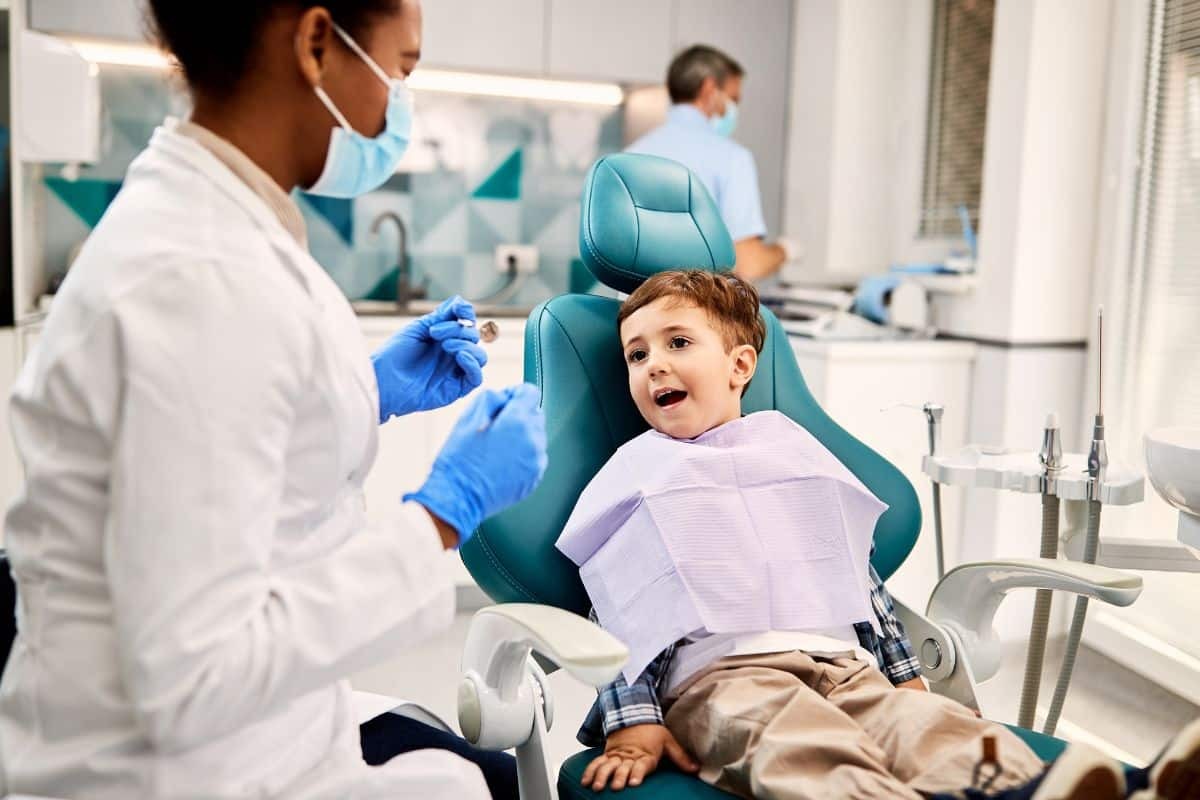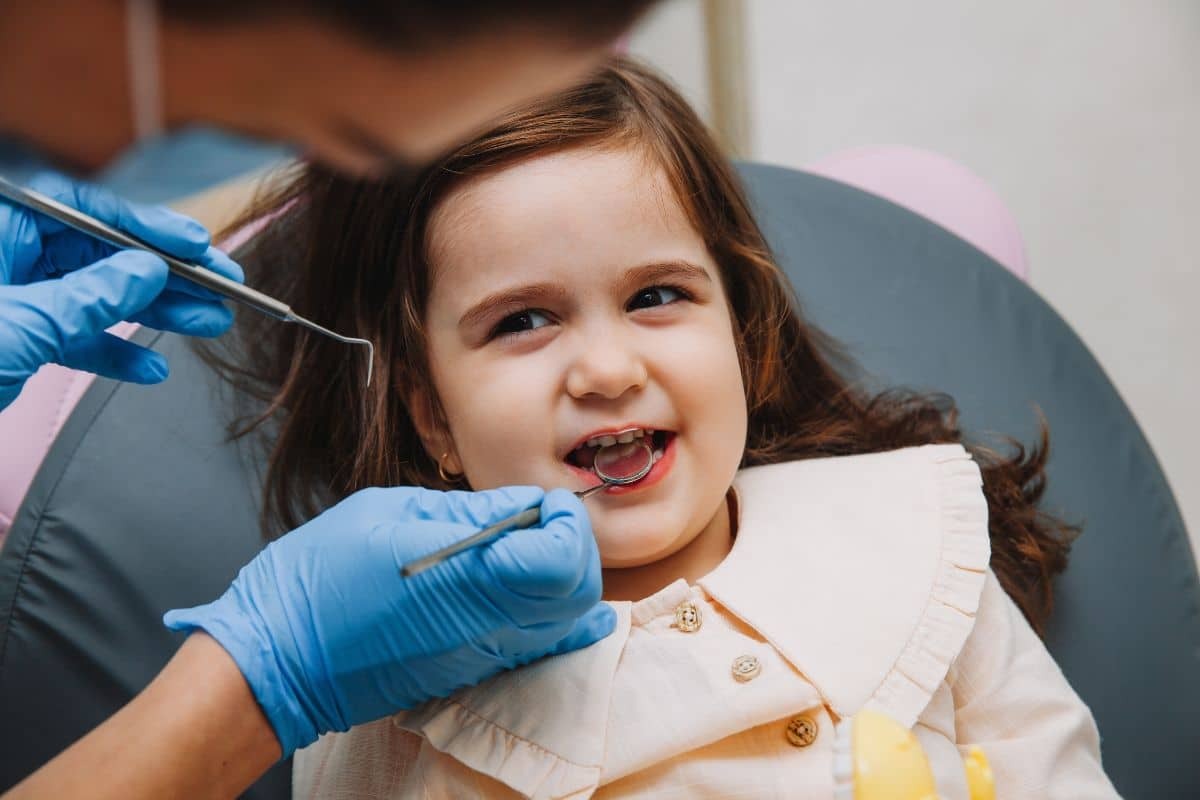

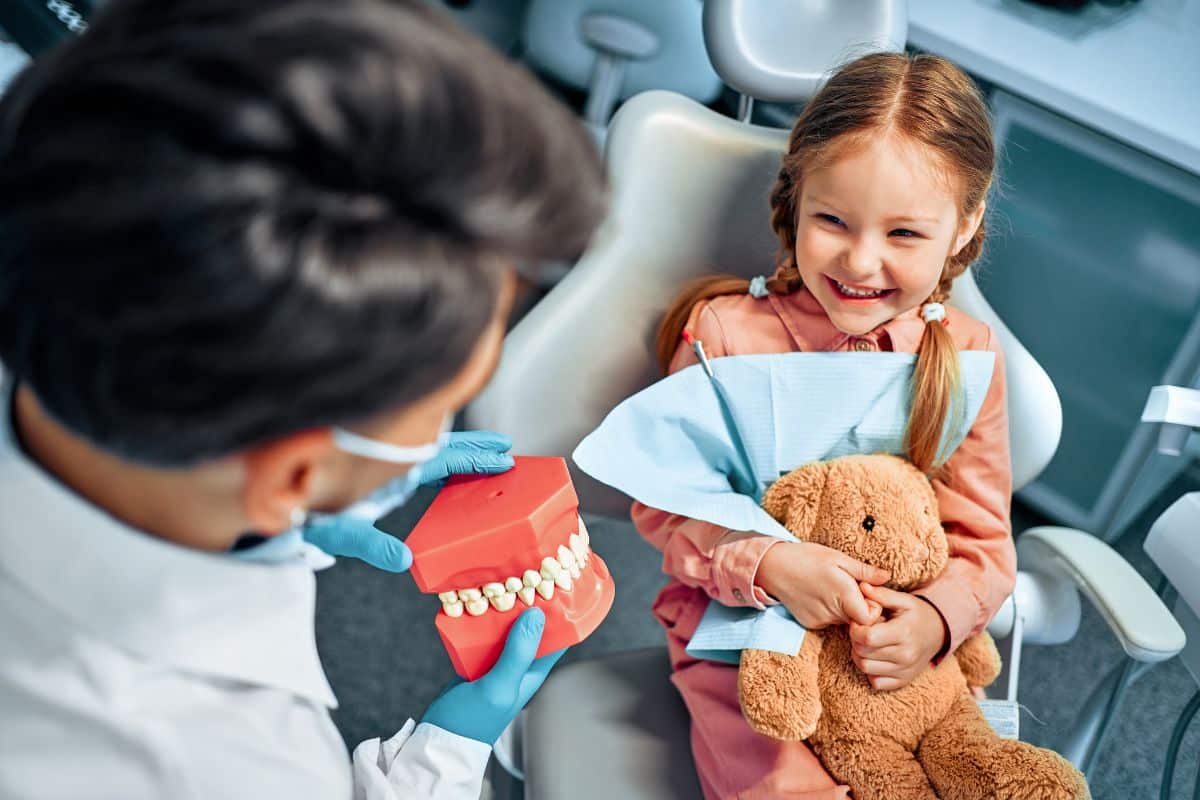
Taking care of a child’s teeth can require extra planning when that child has developmental, physical, sensory, behavioral, cognitive, or medical needs. Brushing and dental visits may look different from one child to another, and what works for one family may not work for another.
The goal of dental care for children with special needs is not to force a child into a standard routine. Instead, parents, caregivers, and dental professionals can work together to create an approach that fits the child’s abilities, health needs, comfort level, and daily routine. If you are looking for a dentist for children in Albuquerque, choosing a practice that provides pediatric dental care can be an important part of establishing consistent oral health care.
At LoPour & Associates DDS, pediatric dentistry is part of the practice’s services for children and families in Albuquerque. The practice emphasizes preventive care, education, positive dental experiences, and age-appropriate oral health habits.
Quick Answer
Parents can support their child’s oral health by establishing a consistent brushing routine, using dental products appropriate for the child’s age and abilities, limiting frequent sugary foods and drinks, keeping regular dental appointments, and sharing relevant medical or behavioral information with the dental team. Children with special health care needs may benefit from individualized preventive care and accommodations based on their specific circumstances.
Why Dental Care May Need to Be Adapted
The term “special health care needs” covers a wide range of circumstances. The American Academy of Pediatric Dentistry includes physical, developmental, mental, sensory, behavioral, cognitive, and emotional conditions that require medical management, health care intervention, or specialized services.
For some children, oral hygiene may be difficult because of limited mobility or difficulty holding a toothbrush. Others may have sensory sensitivities that make toothpaste, water, sounds, bright lights, or someone working inside their mouth uncomfortable.
Some children may also have medical conditions, medications, dietary restrictions, or communication differences that affect their dental care.
That is why there is no single “special needs dental routine” that works for every child. A child’s dental plan should be based on the individual child rather than a diagnosis alone.
Building a Comfortable Home Dental Routine
A predictable routine can make brushing easier for many children.
Keep the routine consistent
Try brushing at approximately the same times each day. Connecting toothbrushing with an established activity such as getting dressed in the morning or preparing for bed can make the routine easier to remember.
Break the process into small steps
Instead of treating brushing as one large task, break it down:
- Get the toothbrush.
- Apply toothpaste.
- Wet the brush if preferred.
- Brush the outside surfaces.
- Brush the inside surfaces.
- Brush the chewing surfaces.
- Spit and rinse if appropriate.
Some children may benefit from visual schedules, verbal cues, demonstrations, or hand-over-hand assistance from a parent or caregiver.
Adapt the tools when necessary
A child who has difficulty gripping a standard toothbrush may need a different handle or another adaptive option. Children with sensory sensitivities may also have strong preferences regarding toothpaste flavor, texture, or brushing pressure.
If a particular product makes brushing consistently difficult, discuss alternatives with your child’s dental professional.
Helping Prevent Cavities
Children with special health care needs can sometimes face additional barriers to maintaining oral hygiene. The ADA identifies special health care needs that limit a child’s or caregiver’s ability to perform adequate oral care as one factor associated with increased caries risk.
Parents can help protect their child’s teeth by focusing on a few fundamentals:
- Brush twice daily with fluoride toothpaste appropriate for the child’s age.
- Help or supervise brushing when the child cannot clean effectively alone.
- Clean between teeth when appropriate and possible.
- Limit frequent exposure to sugary foods and drinks.
- Avoid putting a young child to bed with a bottle or sippy cup containing sugary liquids.
- Keep routine dental appointments.
- Ask the dental team whether fluoride, sealants, or other preventive measures are appropriate for your child.
For younger children, the ADA recommends a smear or rice-sized amount of fluoride toothpaste before age 3 and a pea-sized amount from ages 3 to 6.
Parents can also learn more about practical ways to prevent cavities in children as part of their child’s overall oral hygiene routine.
Preparing for a Dental Visit
A dental appointment can be easier when the dental team understands what helps your child feel safe and comfortable.
Before the appointment, tell the office about anything that may affect the visit, such as:
- Communication preferences
- Sensory sensitivities
- Mobility limitations
- Difficulty remaining still
- Strong reactions to certain sounds, smells, or textures
- Previous difficult dental experiences
- Relevant medical conditions
- Current medications
- Behavioral triggers or calming strategies
- Assistance the child may need
The ADA recommends that dental professionals consider factors such as medical issues, oral health literacy, previous dental experiences, and individual concerns when determining appropriate patient care.
It can also help to explain to your child what will happen using simple, familiar language. Avoid promising that “nothing will hurt.” Instead, describe the appointment honestly in an age-appropriate way.
What Happens During Pediatric Dental Care?
A child’s dental appointment may include an oral examination, preventive care, cleaning, fluoride treatment, dental X-rays when clinically appropriate, or other services based on the child’s individual needs.
LoPour & Associates DDS describes its pediatric dental care as focused on preventive care, education, positive dental experiences, and healthy development. Its pediatric dentistry page also recommends introducing children to the dental environment in a gradual, friendly way.
For children with special health care needs, treatment planning may require additional communication or coordination with medical and dental professionals. The AAPD specifically notes that consultation and coordination with medical and other dental providers may be necessary in some cases.
Not every child will need the same level of support. The dental team can discuss what is appropriate after learning about the child’s health, abilities, oral health, and previous experiences.
What If My Child Is Afraid of the Dentist?
Dental anxiety is not unusual in children, and a previous difficult experience can make future visits more challenging.
Parents can help by:
- Scheduling appointments when the child is usually well-rested.
- Bringing a familiar comfort item when appropriate.
- Using positive but simple language about the visit.
- Practicing opening the mouth at home.
- Reading age-appropriate books about dental visits.
- Telling the dental team about previous negative experiences.
- Avoiding using dental treatment as a threat or punishment.
A calm, predictable approach can help children become more familiar with dental care over time.
Why Regular Dental Visits Matter
Establishing a consistent relationship with a dental provider gives the dental team an opportunity to monitor changes in the child’s teeth and gums and identify potential problems early.
The AAPD recommends establishing a dental home no later than 12 months of age. A dental home is intended to provide continuous, accessible, coordinated, compassionate, and individualized oral health care for children, including children with special health care needs.
For families, continuity also means the dental team can become familiar with the child’s communication style, preferences, medical history, and oral health needs.
Questions Parents Can Ask the Dental Team
If your child has special health care needs, consider asking:
- How can we make dental visits more comfortable for my child?
- What should I tell you about my child’s medical history or medications?
- How can I make brushing easier at home?
- Does my child have any specific cavity-risk factors?
- Are fluoride treatments or sealants appropriate?
- How often should my child have dental checkups?
- What should we do if my child cannot tolerate a particular part of an examination?
- Will you coordinate with another healthcare provider if needed?
There is no need to have all the answers before the appointment. Sharing what you know about your child’s needs gives the dental team useful information for planning care.
Pediatric Dental Care in Albuquerque
Finding a dental practice where your family feels comfortable can make maintaining regular dental care easier. LoPour & Associates DDS provides pediatric dentistry as part of its comprehensive dental services for families in Albuquerque. The practice’s pediatric care information emphasizes prevention, healthy development, education, and creating positive dental experiences for children.
The practice also provides family dentistry, allowing children, teens, and adults to receive care within the same practice. Its Albuquerque family dentistry page describes a welcoming environment designed for patients of different ages.
If you’re considering dental care for your child, you can also read reviews from local patients on Google to learn more about other patients’ experiences with LoPour & Associates DDS.
Frequently Asked Questions
What is dental care for children with special needs?
Dental care for children with special needs is individualized oral health care for children whose physical, developmental, sensory, behavioral, cognitive, emotional, or medical circumstances may require additional planning, adaptations, or coordination. The specific approach depends on each child’s needs.
How can I make brushing easier for my child?
Start with a predictable routine and break brushing into manageable steps. Consider your child’s sensory preferences, communication style, motor abilities, and level of independence. Parents or caregivers may need to assist with brushing when a child cannot clean the teeth effectively alone.
When should a child with special health care needs first see a dentist?
The AAPD recommends establishing a dental home by 12 months of age for children, including those with special health care needs. Early dental care allows parents and dental professionals to establish preventive routines and monitor oral development.
What should I tell the dentist before my child’s appointment?
Share relevant medical conditions, medications, allergies, communication needs, sensory sensitivities, mobility concerns, previous dental experiences, and strategies that help your child feel comfortable. This information can help the dental team plan an appropriate visit.
Does every child with special needs require specialized dental treatment?
No. Special health care needs vary considerably, and not every child requires the same type or level of dental support. A dental professional can evaluate the child’s individual circumstances and determine whether routine care, adaptations, additional coordination, or referral is appropriate.
Conclusion
Good oral health starts with care that fits the child not a one-size-fits-all approach. For children with special health care needs, small adjustments to brushing routines, communication, appointment planning, and preventive care can make dental care more manageable for both children and their families.
If you are looking for pediatric dental care in Albuquerque, LoPour & Associates DDS can help you discuss your child’s oral health needs and determine an appropriate approach to ongoing dental care. Bring your questions, concerns, and information about what works best for your child so the dental team can better understand your family’s needs.