
If you’ve noticed that your veneers don’t look as bright as they once did, you may be wondering: can veneers be whitened? The short answer is that veneers cannot usually be whitened in the same way as natural teeth. If you’re concerned about the color, appearance, or condition of your restorations, you can explore veneers in Albuquerque to learn more about how veneers are designed, cared for, and evaluated over time.
Traditional teeth-whitening treatments are designed to lighten natural tooth enamel. They generally do not change the original shade of porcelain or composite veneers.
That doesn’t necessarily mean you’re stuck with a smile that looks dull or discolored. In some cases, what appears to be a darker veneer may actually be surface buildup, staining around the edges, or a color difference between the veneers and the surrounding natural teeth. The right solution depends on what’s causing the change.
Why whitening treatments don’t change the color of veneers
Professional whitening treatments and over-the-counter products work by using bleaching agents to break down certain stains within natural tooth structure. Veneers are different.
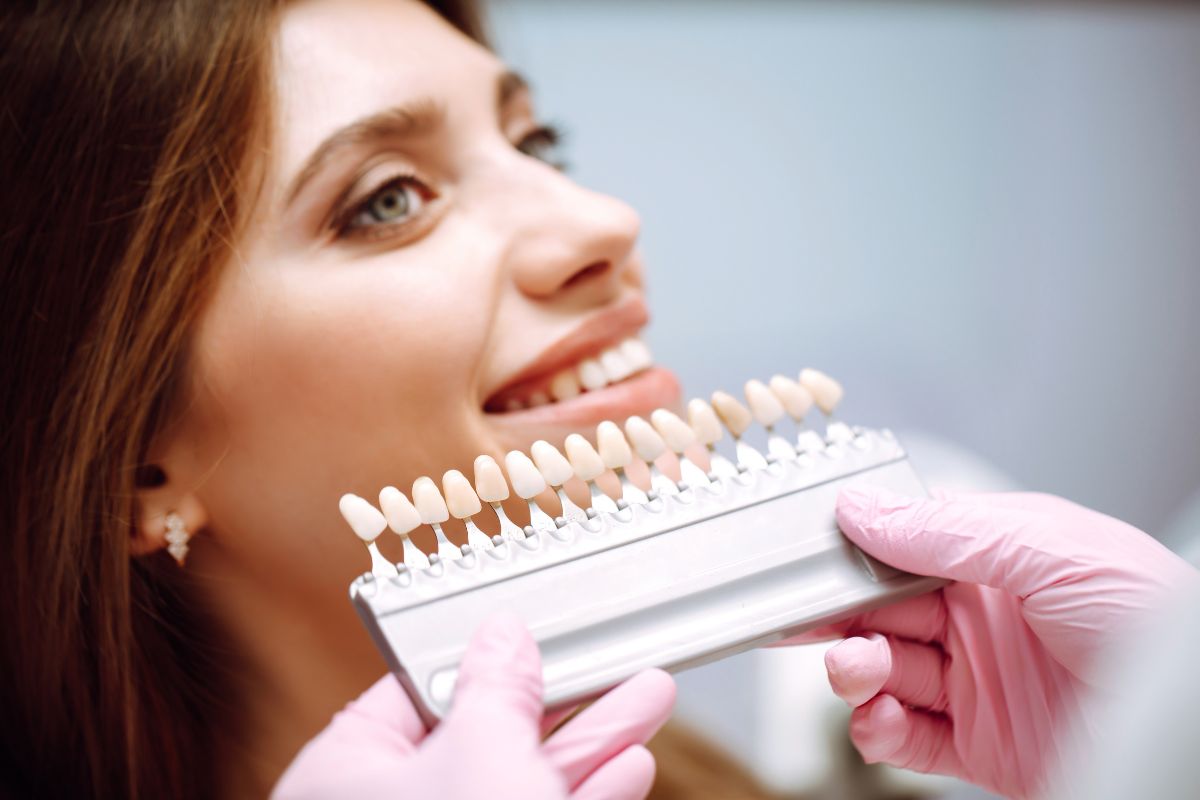
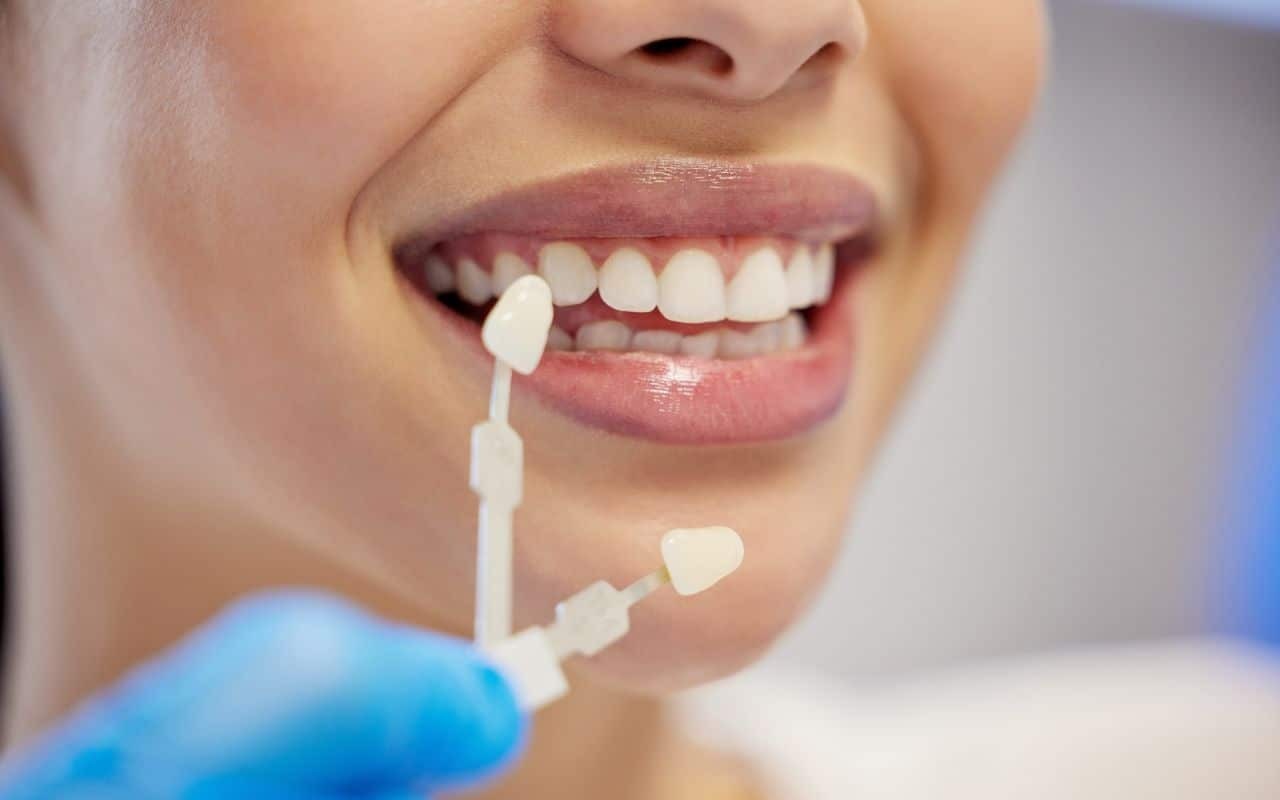
Porcelain and composite veneers are restorative materials that are selected or created in a specific shade before they are placed. Once the veneer is bonded to the tooth, its color generally cannot be lightened with whitening strips, gels, or bleaching treatments.
So, if you’re asking can porcelain veneers be whitened, the answer is generally no. The same basic limitation applies to composite veneers, although composite material may sometimes develop surface stains that a dental professional can evaluate and address.
This distinction matters because using stronger or more frequent whitening products won’t necessarily make veneers brighter. It may simply leave you frustrated if the surrounding natural teeth become lighter while the veneers remain the same shade.
Why do veneers sometimes look yellow or dull?
A veneer that appears darker isn’t always permanently stained. Several things can affect how your smile looks over time.
Surface buildup
Plaque, tartar, and everyday surface deposits can make teeth and restorations appear less bright. A professional cleaning may remove buildup and help restore a cleaner appearance.
Staining around the edges
The veneer itself may remain relatively stain-resistant while the natural tooth structure or bonding area near its edges becomes more noticeable. This can sometimes create the appearance of discoloration.
Changes in your natural teeth
Natural teeth can gradually become darker or more stained over time. If veneers remain the same color while nearby teeth change, the overall smile may start to look uneven.
Surface wear or damage
Composite veneers may be more likely than porcelain to show surface changes over time. Chips, rough areas, and wear can also affect how light reflects from a restoration.
Everyday habits
Coffee, tea, tobacco, dark sauces, and other strongly pigmented substances can contribute to staining on natural teeth and surface buildup around dental work. Good daily oral hygiene can help limit buildup, although no one can completely prevent normal changes over time.
Safe Ways to Restore Veneer Brightness
Since you cannot whiten veneers with bleaching products, the best approach is professional care:
- Professional Cleanings – A dentist can remove surface stains from veneers and dental work during routine cleanings.
- Polishing – Minor dullness can often be corrected with specialized polishing techniques, particularly for composite veneers.
- Non-Abrasive Toothpaste – Using gentle formulas prevents further wear while helping maintain the sheen of white teeth veneers.
- Replacement – In cases of severe discoloration or damage, replacing old veneers may be the only effective solution.
Patients should avoid over-the-counter whitening kits. These products are designed for natural enamel, not for teeth whitening for veneers, and can cause gum irritation without improving veneer color.
If you’re unhappy with your smile’s appearance, consult a dentist who specializes in veneers. They can provide tailored recommendations to safely restore brightness.
Tips to Prevent Veneer Discoloration
To maintain bright and lasting teeth veneers, follow these tips:
- Limit consumption of coffee, tea, red wine, and dark sauces.
- Visit your dentist regularly for checkups and cleanings.
- Brush with a soft-bristle toothbrush and non-abrasive toothpaste.
- Quit smoking to protect both your veneers and oral health.
- Rinse after meals to prevent stain buildup.
With proper care, veneer dental work can stay attractive and durable for many years. Prevention is always easier than correction when it comes to whitening teeth for sensitive teeth or veneer maintenance.
How to help veneers stay looking their best
Veneers don’t require a complicated care routine, but they should be treated as part of your overall oral health. If you’d like more practical tips on maintaining your restorations, learn how to care for veneers and make them last longer.
A few practical habits can help:
- Brush twice a day with a soft-bristled toothbrush.
- Use a toothpaste that isn’t overly abrasive.
- Floss regularly to help keep the gumline and areas around the veneers clean.
- Keep up with recommended dental exams and professional cleanings.
- Avoid using your teeth to open packages or bite hard objects.
- Be cautious with habits such as chewing ice or biting fingernails.
- If you smoke or use tobacco products, talk with your healthcare provider about quitting for your oral and overall health.
You don’t necessarily need to give up coffee, tea, or other foods you enjoy. Moderation, routine oral hygiene, and professional cleanings can help manage staining and buildup over time.
When to Consult a Dentist
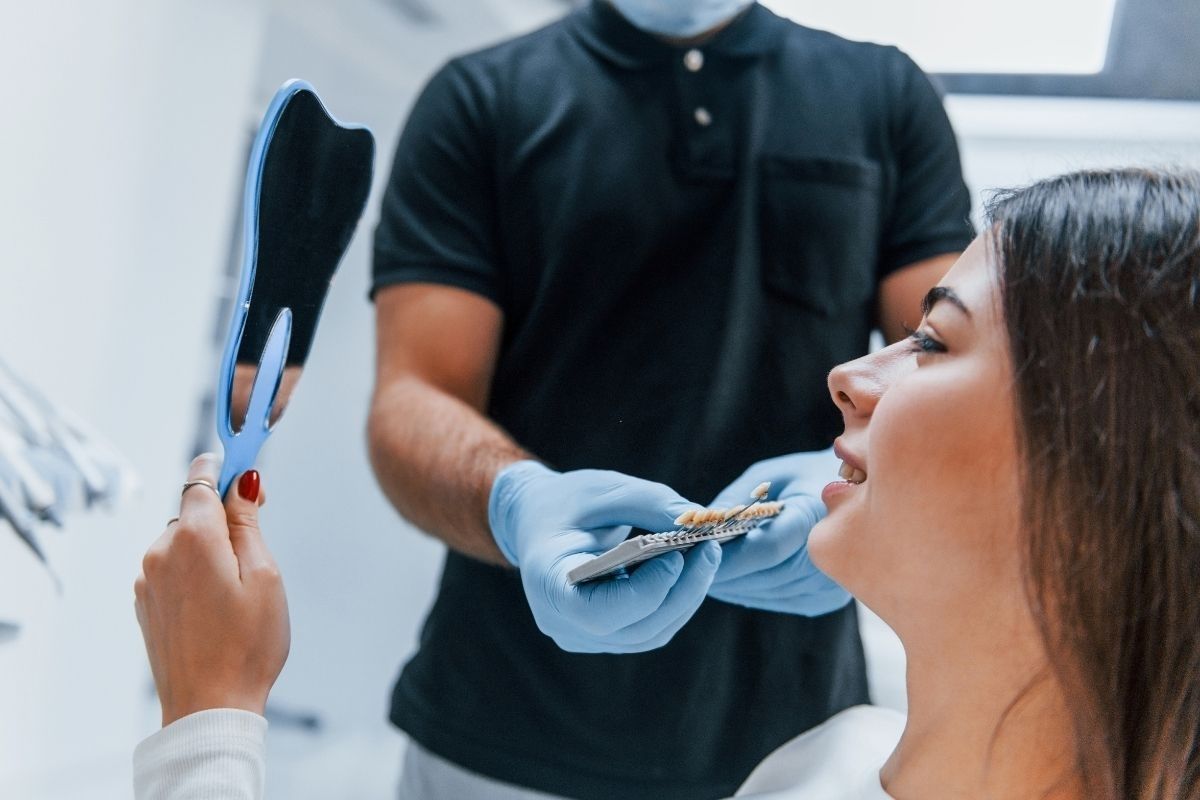
If your veneers appear persistently discolored, damaged, or no longer match your surrounding teeth, it’s time to consult a professional. A dentist trained in the veneering of teeth can evaluate whether cleaning, polishing, or replacement is the best option.
Remember: products marketed as teeth whitening for veneers are ineffective and may waste your time and money. A personalized treatment plan is always the safest way to restore your smile’s brightness.
Conclusion
So, can you whiten veneers? The answer is no, traditional whitening treatments don’t work on porcelain or composite. However, professional cleaning, polishing, and replacement can restore a bright, natural look. By caring for your veneers and avoiding staining habits, you can keep your smile vibrant for years.
At LoPour & Associates in Albuquerque, NM, we specialize in cosmetic dentistry and veneering of teeth solutions. If your teeth veneers look dull or discolored, schedule a consultation today. We’ll help you explore safe, effective options to maintain or restore your confident smile.
FAQs
Can you whiten veneers at home?
At-home whitening products generally do not change the color of porcelain or composite veneers. They may lighten nearby natural teeth, which can sometimes make the color difference more noticeable.
Can composite veneers be whitened?
Composite veneers do not respond to bleaching in the same way natural enamel does. If they appear stained or dull, a dentist can determine whether professional cleaning, polishing, repair, or replacement is appropriate.
Why are my veneers turning yellow?
The appearance may be caused by surface buildup, staining around the edges, changes in nearby natural teeth, or wear and aging of the restorative material. A dental examination can help identify the cause.
Can I whiten my natural teeth if I have veneers?
Possibly, but planning is important. Whitening can change the shade of natural teeth without changing the color of existing veneers. Your dentist can help you avoid an unwanted mismatch.
How do I clean veneers safely?
Brush with a soft toothbrush, maintain regular flossing, and attend recommended dental cleanings. Your dentist can also recommend products that are appropriate for your specific type of veneer and overall oral health.
Will I need to replace my veneers if they become discolored?
Not always. Some appearance concerns may be related to surface buildup or other issues that can be addressed without replacement. If the veneer itself is damaged, worn, or no longer matches your smile, replacement may be considered.