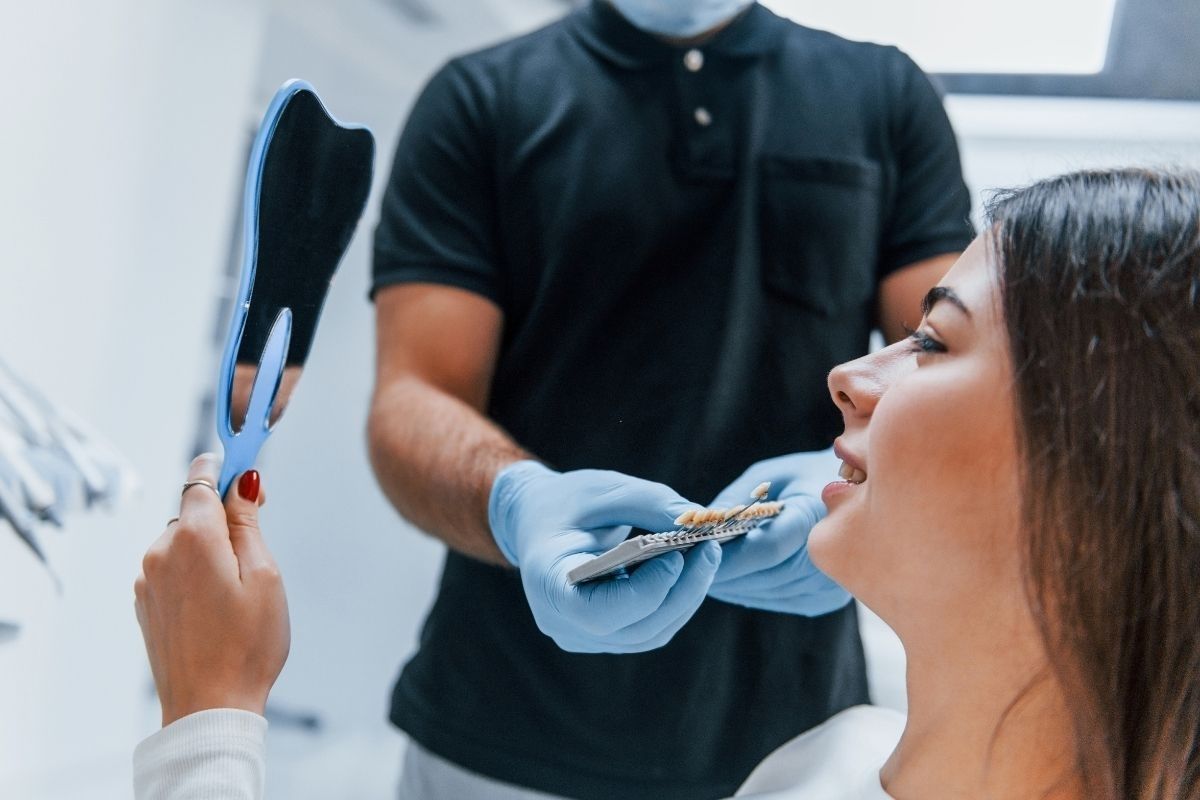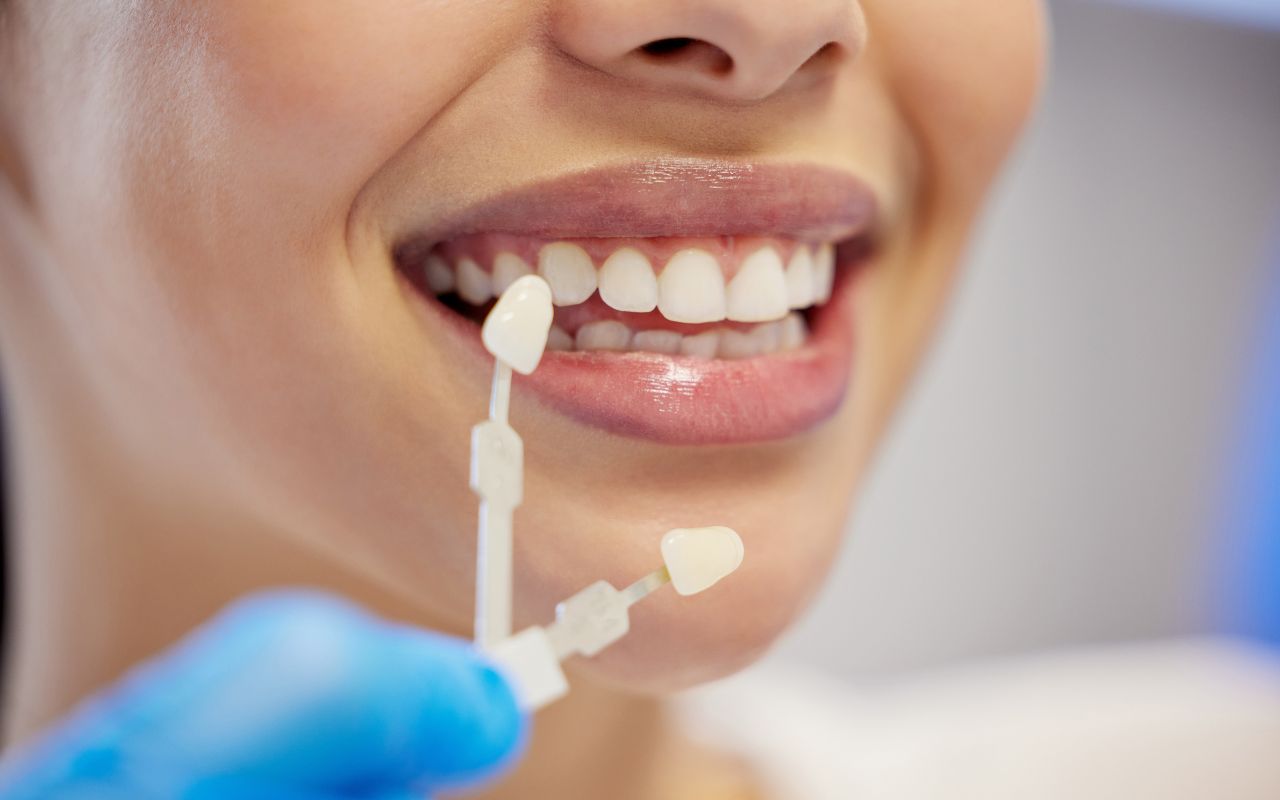

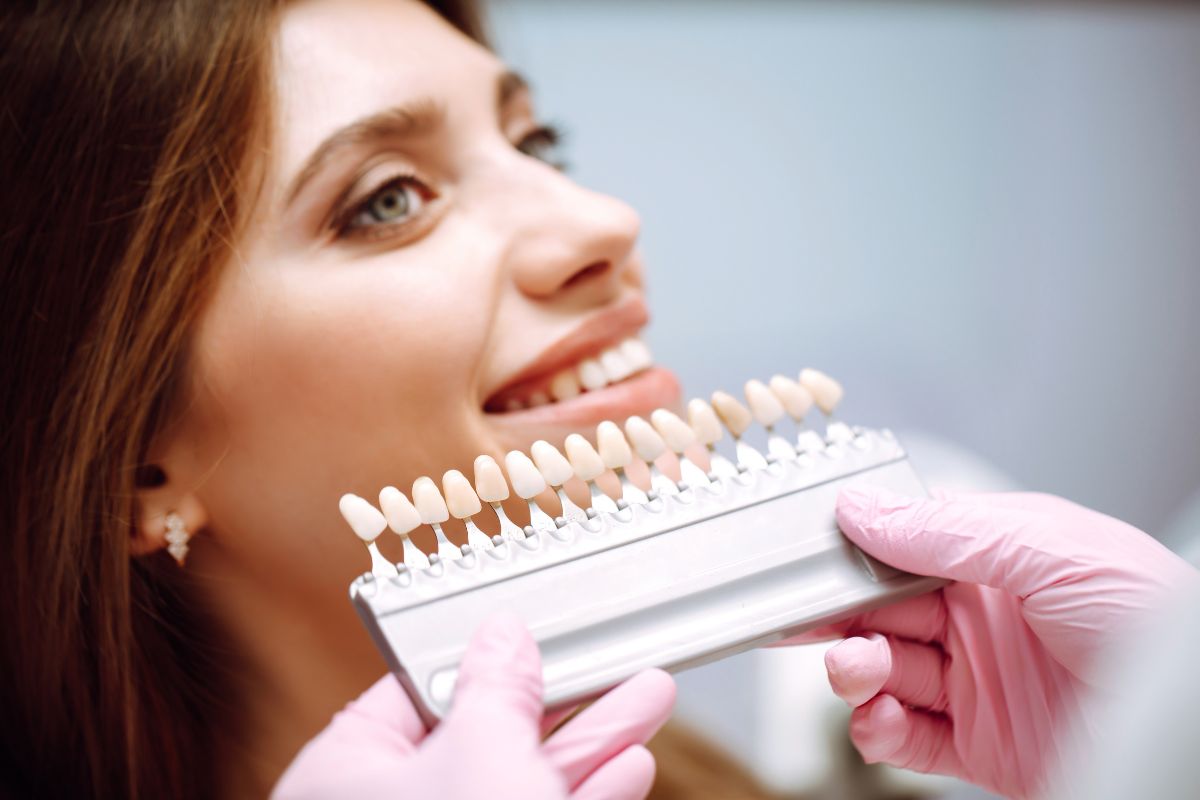
A beautiful smile is an investment, and veneers can help you achieve the confident look you’ve always wanted. Whether you’ve recently received veneers or are considering treatment, understanding proper veneer maintenance is essential for protecting your results and maximizing the lifespan of your restoration.
Patients who choose dental veneers in Albuquerque often ask how long veneers last and what they can do to keep them looking their best. The good news is that with proper care, porcelain veneers can remain beautiful and functional for 10 to 15 years or even longer.
In this guide, we’ll explain how to care for veneers, common habits to avoid, and practical tips that can help you protect your investment for years to come.
Quick Answer
Veneer maintenance involves brushing twice daily, flossing every day, avoiding excessive force on your teeth, attending regular dental checkups, and limiting habits that can damage veneers. With proper care and professional monitoring, veneers can maintain their appearance and function for many years.
What Are Veneers?
Veneers are thin, custom-made shells that are bonded to the front surfaces of teeth to improve their appearance. They are commonly used to address:
- Discolored teeth
- Chipped teeth
- Minor gaps between teeth
- Uneven tooth shapes
- Worn enamel
Porcelain veneers are especially popular because they closely mimic natural tooth enamel and resist staining better than many other cosmetic dental treatments.
Why Veneer Maintenance Matters
Although veneers are durable, they are not indestructible. Proper maintenance helps:
- Extend the lifespan of your veneers
- Prevent chips and cracks
- Maintain a bright, natural appearance
- Protect the underlying tooth structure
- Reduce the need for repairs or replacement
Good oral hygiene also supports healthy gums, which play an important role in keeping veneers secure and aesthetically pleasing.
Daily Veneer Care Tips
Brush Gently Twice a Day
Use a soft-bristled toothbrush and a non-abrasive toothpaste. While veneers themselves cannot develop cavities, the natural teeth beneath them still require protection.
Gentle brushing helps remove plaque without scratching the surface of your veneers.
Floss Every Day
Flossing is just as important as brushing. Food particles and bacteria can accumulate between teeth and around the gumline.
Daily flossing helps prevent:
- Gum disease
- Tooth decay around veneers
- Bad breath
- Inflammation that can affect veneer appearance
Use an Alcohol-Free Mouthwash
Some mouthwashes contain high levels of alcohol that may weaken bonding materials over time.
An alcohol-free rinse can help maintain oral health while protecting your dental work.
Habits That Can Damage Veneers
Avoid Using Teeth as Tools
Many people unconsciously use their teeth to:
- Open packages
- Tear tape
- Bite fingernails
These habits place unnecessary stress on veneers and can lead to cracks or chips.
Be Careful with Hard Foods
While veneers are strong, biting directly into extremely hard foods can cause damage. Understanding what you can eat with veneers can help you make choices that protect your smile and extend the life of your restorations.
Foods to be cautious with include:
- Ice
- Hard candies
- Unpopped popcorn kernels
- Nuts with shells
Cutting hard foods into smaller pieces can help reduce risk.
Address Teeth Grinding
Teeth grinding, also known as bruxism, can significantly shorten the lifespan of veneers.
Signs of grinding may include:
- Jaw soreness
- Morning headaches
- Worn teeth
- Tooth sensitivity
Your dentist may recommend a custom nightguard to protect both your veneers and natural teeth.
Can Veneers Stain?
Porcelain veneers are highly stain-resistant, but they are not completely stain-proof.
To help preserve their appearance:
- Limit tobacco use
- Rinse after drinking coffee, tea, or red wine
- Maintain regular professional cleanings
- Practice excellent oral hygiene
It’s also important to remember that natural teeth can still stain over time. This may create a color difference between veneers and surrounding teeth if whitening is not properly managed.
The Importance of Regular Dental Visits
Routine dental examinations are one of the most important aspects of effective veneer maintenance.
During checkups, your dentist can:
- Evaluate veneer integrity
- Check for chips or wear
- Monitor gum health
- Remove plaque and tartar buildup
- Address small concerns before they become larger problems
Most patients benefit from professional cleanings and exams every six months, although individual recommendations may vary.
How Long Do Veneers Typically Last?
The lifespan of veneers depends on several factors, including:
- Material quality
- Oral hygiene habits
- Dietary choices
- Teeth grinding habits
- Regular dental care
On average:
| Veneer Type | Typical Lifespan |
|---|---|
| Porcelain Veneers | 10-15+ years |
| Composite Veneers | 5-7 years |
Many patients enjoy even longer-lasting results when they follow their dentist’s care recommendations.
Signs Your Veneers May Need Attention
Even with excellent care, veneers may eventually require repair or replacement.
Contact your dentist if you notice:
- Chipping or cracking
- Rough edges
- Increased tooth sensitivity
- Gum recession around veneers
- Changes in fit or appearance
Prompt evaluation can help prevent additional complications.
Conclusion
Proper veneer maintenance is the key to keeping your smile healthy, attractive, and long-lasting. Daily brushing and flossing, regular dental visits, and avoiding habits that place excessive pressure on your teeth can help protect your veneers for many years.
If you’re considering veneers or need professional care for existing veneers in Albuquerque, the team at LoPour & Associates DDS is here to help. Schedule your appointment today or call +1 (505) 298-7475 to learn more about achieving and maintaining a confident, beautiful smile.
Want to stay updated with the latest dental tips, office announcements, and patient success stories? See patient reviews on Google to learn what local Albuquerque patients are saying and stay connected with our dental team.
Frequently Asked Questions
How often should veneers be professionally checked?
Most patients should have veneers evaluated during routine dental exams every six months. Regular checkups allow your dentist to monitor veneer condition, gum health, and overall oral wellness while addressing minor issues before they become significant concerns.
Can I whiten my veneers?
Porcelain veneers do not respond to traditional whitening treatments. If your natural teeth become darker than your veneers, your dentist can recommend options to improve color consistency throughout your smile.
What toothpaste is best for veneers?
A non-abrasive toothpaste is typically recommended. Abrasive products can gradually dull the polished surface of veneers and may affect their appearance over time.
Are veneers permanent?
Veneers are considered a long-term cosmetic treatment because a small amount of enamel is usually removed during preparation. While veneers may eventually require replacement, the procedure itself is generally irreversible.
Can veneers break?
Yes, veneers can chip or crack if exposed to excessive force. Avoid chewing ice, biting hard objects, and using your teeth as tools to reduce the risk of damage.
How long do porcelain veneers last?
Porcelain veneers commonly last between 10 and 15 years, and many last even longer with excellent oral hygiene, regular dental care, and healthy habits.