
Are dental implants safe? Yes, they are.
Many patients wonder about the safety of these procedures before deciding to replace missing teeth with implant teeth. Dental implants in Albuquerque are designed to restore function, improve appearance, and maintain oral health. While any medical procedure carries some risks, dental implants have a high success rate when performed under proper care and supervision.
Understanding how dental implants work and what precautions are taken can help patients feel more confident about their decision. LoPour & Associates DDS provides guidance to help patients make informed choices about their oral health.
Understanding Dental Implants
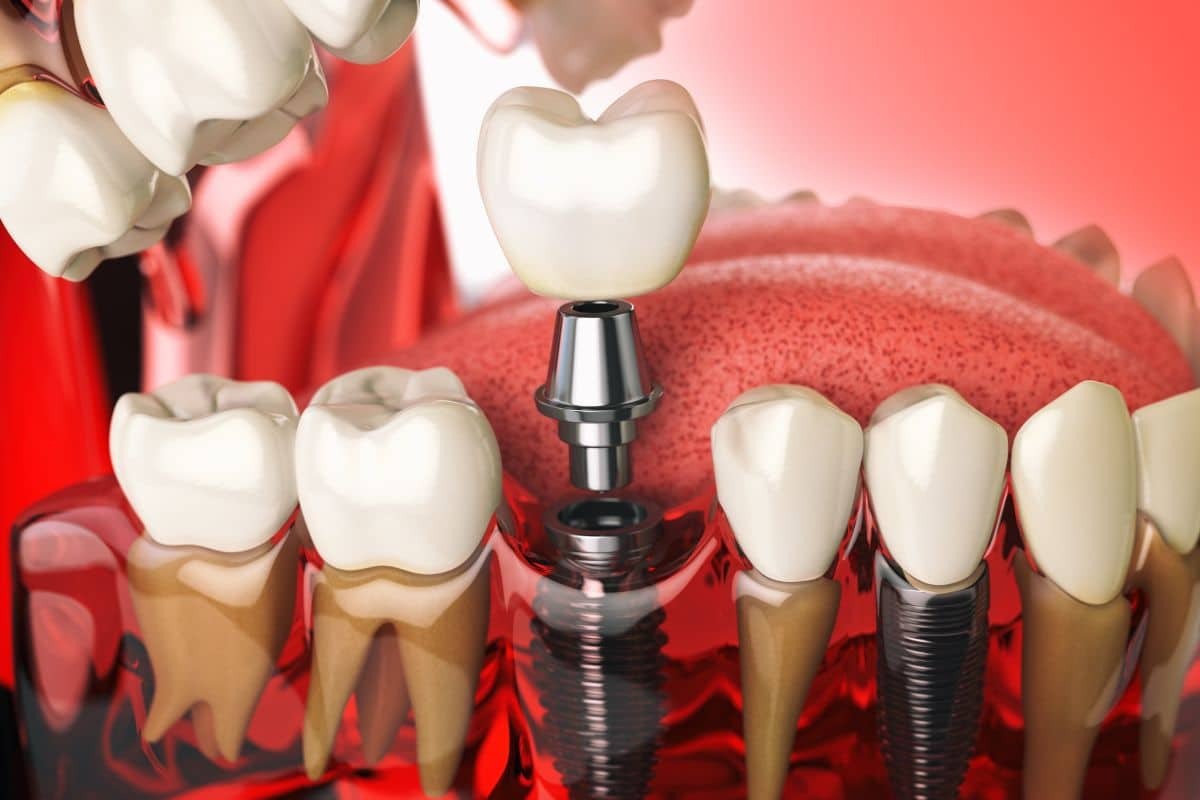
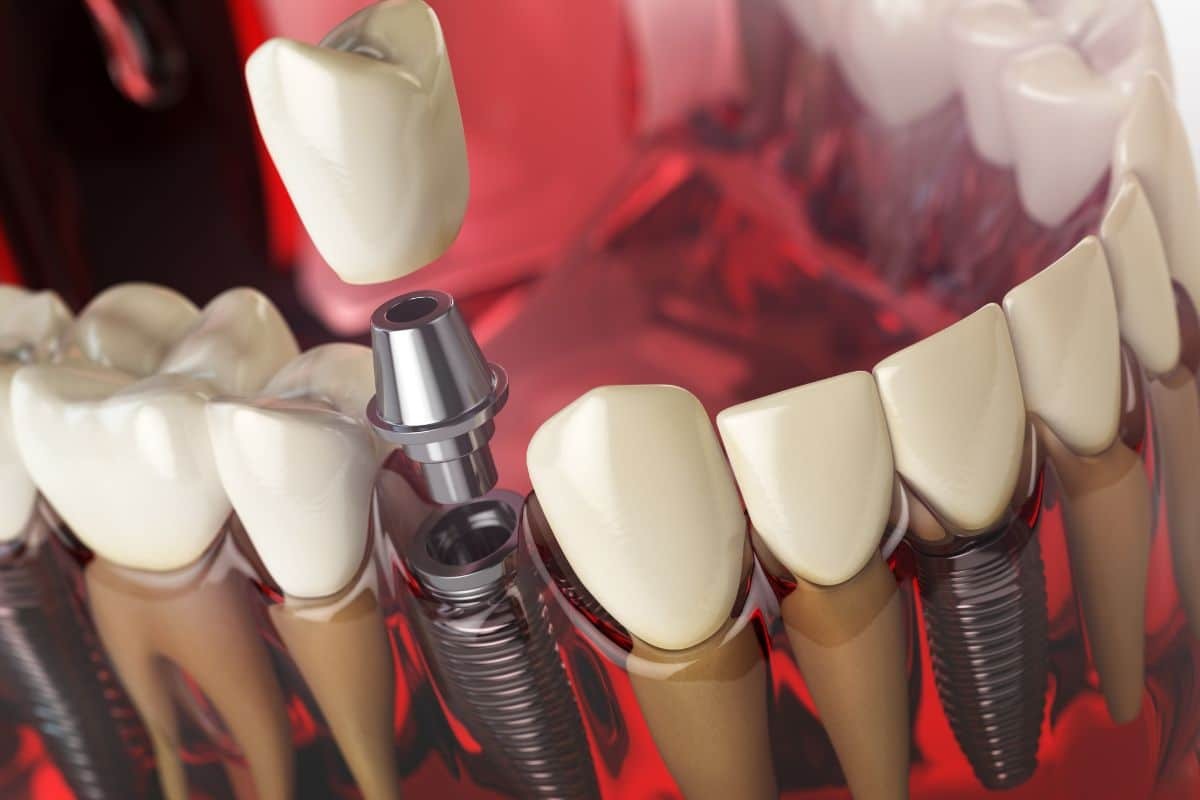
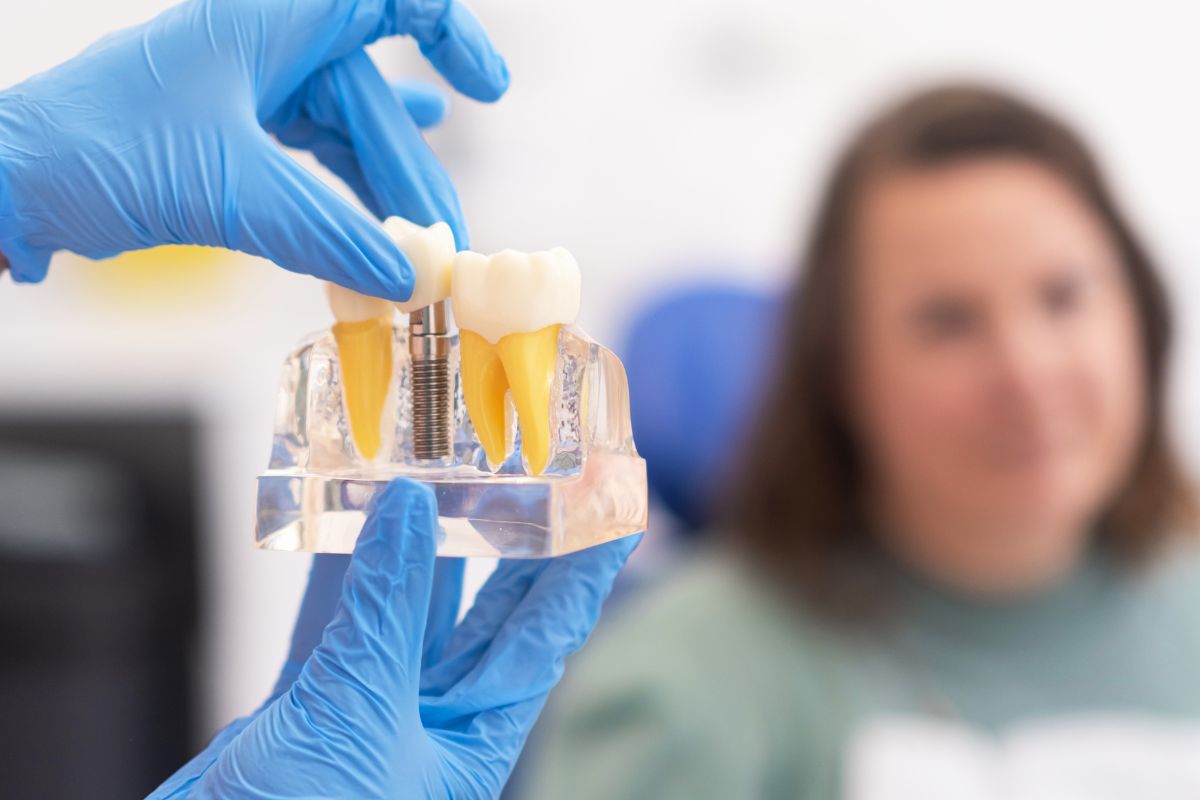
Dental implants in Albuquerque are designed to replace missing teeth with a long-term solution. An implant is a small post, usually made of titanium, that is placed into the jawbone. This post acts as a foundation for an artificial tooth or crown. Over time, the implant fuses with the bone, providing stability similar to natural teeth. Patients choose implants to restore chewing and speaking abilities, prevent bone loss, and maintain facial structure.
What Makes Implant Teeth Safe?
Dental professionals take several steps to ensure safety. Before placing an implant, a thorough evaluation is done, including X-rays and sometimes 3D imaging, to assess bone health and structure. Good oral hygiene and health are important factors that support healing and implant success. Many patients ask about pain and discomfort, and modern anesthesia and sedation options make the procedure manageable and safe. Proper care before, during, and after the implant produces a predictable, safe outcome.
Healing and the Role of the Implant Tooth
Once an implant tooth is placed, the healing process begins. Osseointegration, the process where the implant fuses with the jawbone, usually takes a few months. During this time, patients are monitored for signs of infection or complications. Following the dentist’s instructions, maintaining oral hygiene, and attending follow-up appointments are essential for ensuring the implant integrates well. Most patients experience minimal complications and report satisfaction with their new teeth.
Potential Risks and How They Are Managed
While dental implants are generally safe, minor risks can occur. These include infection at the implant site, nerve irritation, or improper placement. Dentists take precautions to minimize these risks, such as sterilization protocols, careful planning, and using advanced imaging techniques. If complications do arise, early detection ensures they are treated promptly. Understanding these risks helps patients feel informed and prepared, allowing them to make confident decisions about their oral care. Additionally, patients should know that implant tooth maintenance is similar to natural teeth, requiring regular brushing, flossing, and dental checkups.
Long-Term Benefits of Dental Implants
Dental implants provide a durable, long-lasting solution for missing teeth. They preserve jawbone health, support surrounding teeth, and improve the overall appearance of the smile. Most patients find that implants restore confidence and allow them to enjoy normal chewing and speaking functions. With proper care, an implant tooth in Albuquerque can last for decades, making them a reliable option for adults seeking permanent tooth replacement.
Protect Your Smile with LoPour & Associates DDS
Dental implants are a safe and effective solution for replacing missing teeth. With proper evaluation, planning, and care, the risks are minimal, and the benefits are significant. If you’re considering dental implants, consult us to discuss dental implants in Albuquerque and how they can restore your smile, function, and confidence. Our team provides guidance and support to help you make the best decision for your oral health.
Visit us at 5110 Masthead NE, Ste. A, Albuquerque, NM 87109
FAQs
Are dental implants painful?
Most patients experience minimal discomfort during the procedure. Local anesthesia and sedation help ensure a comfortable experience. Post-procedure soreness is typically mild and manageable.
How long do dental implants last?
With proper care, dental implants can last 20 years or more. Regular dental visits and good oral hygiene help maintain their longevity.
Who is a good candidate for dental implants?
Patients with healthy gums, sufficient bone structure, and good oral hygiene are ideal candidates. Chronic health conditions may require additional evaluation.
Can dental implants fail?
While uncommon, implant failure can occur due to infection, insufficient bone, or poor oral hygiene. Early detection and proper care reduce the risk.
How do I care for my implant tooth?
Brush and floss daily, avoid hard foods that may damage crowns, and visit your dentist regularly for checkups and cleanings.
Can I replace multiple missing teeth with implants?
Yes, implants can support individual teeth, bridges, or even full-arch restorations depending on your needs and bone structure.
Are dental implants safe for older adults?
Yes, age alone is not a limiting factor. Health status, bone density, and overall oral care determine implant suitability.