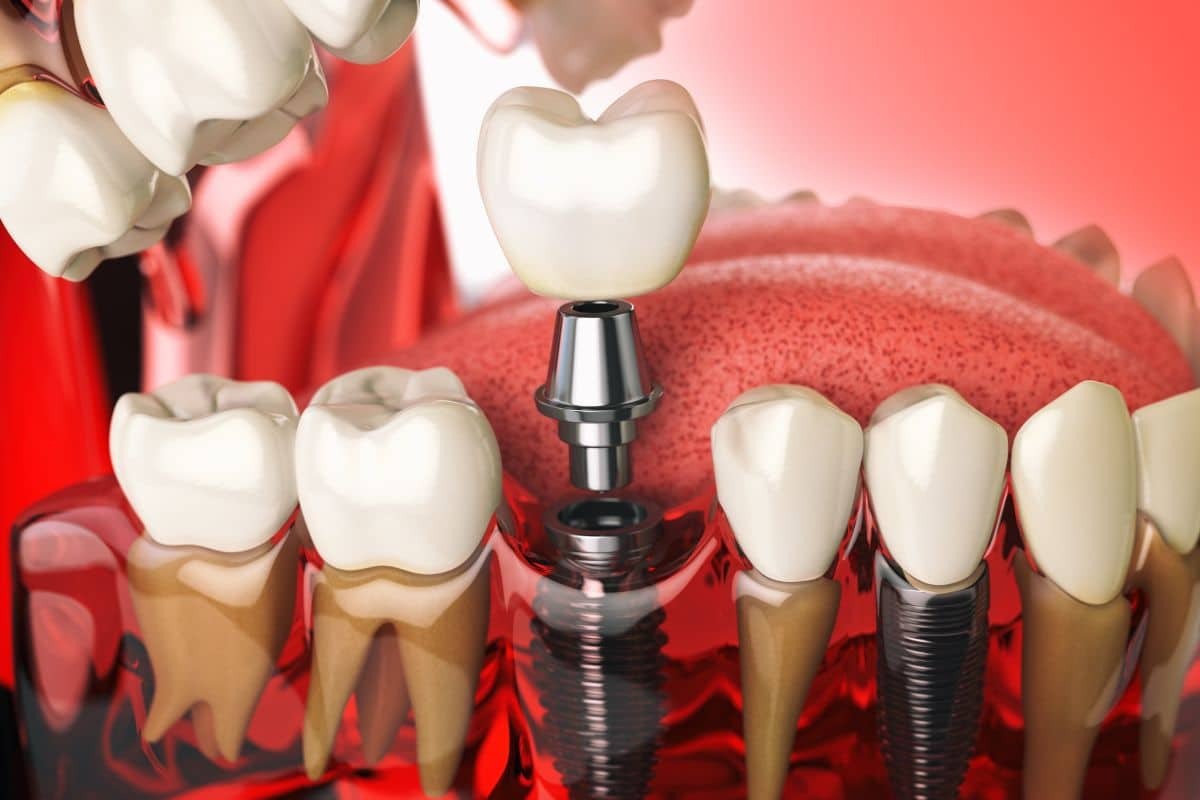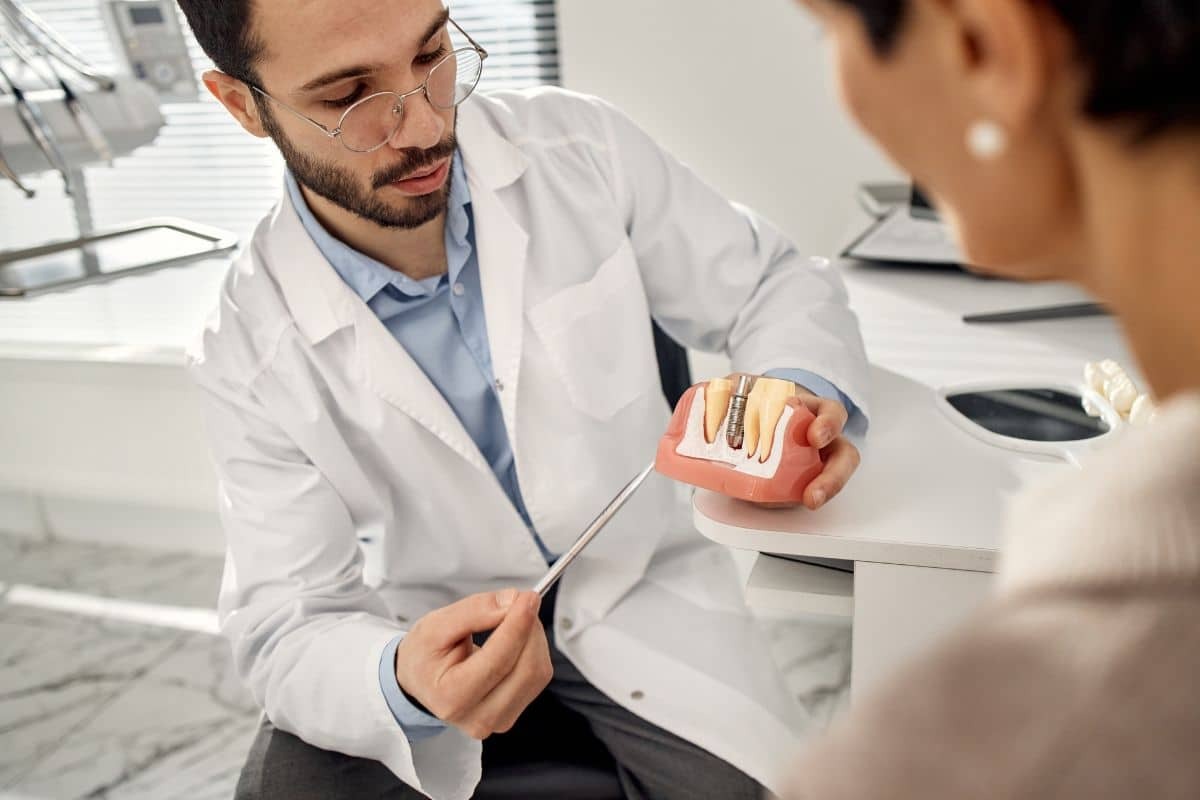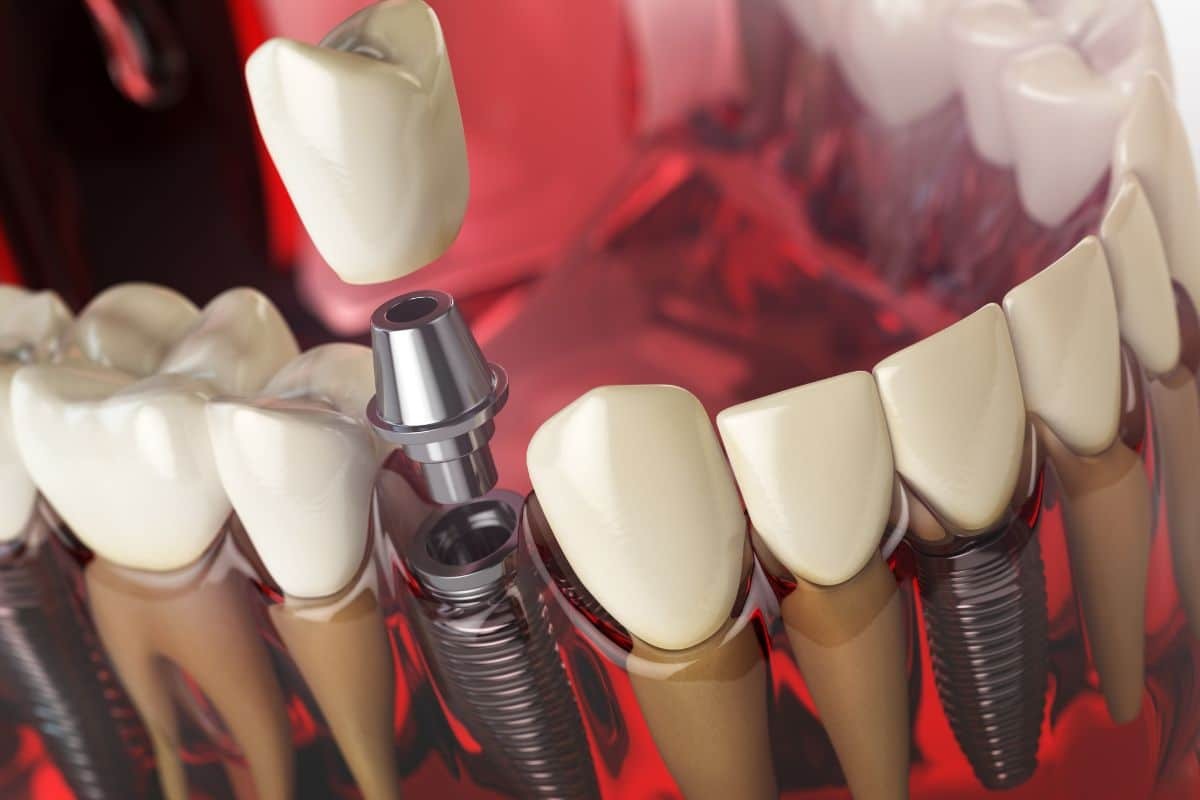

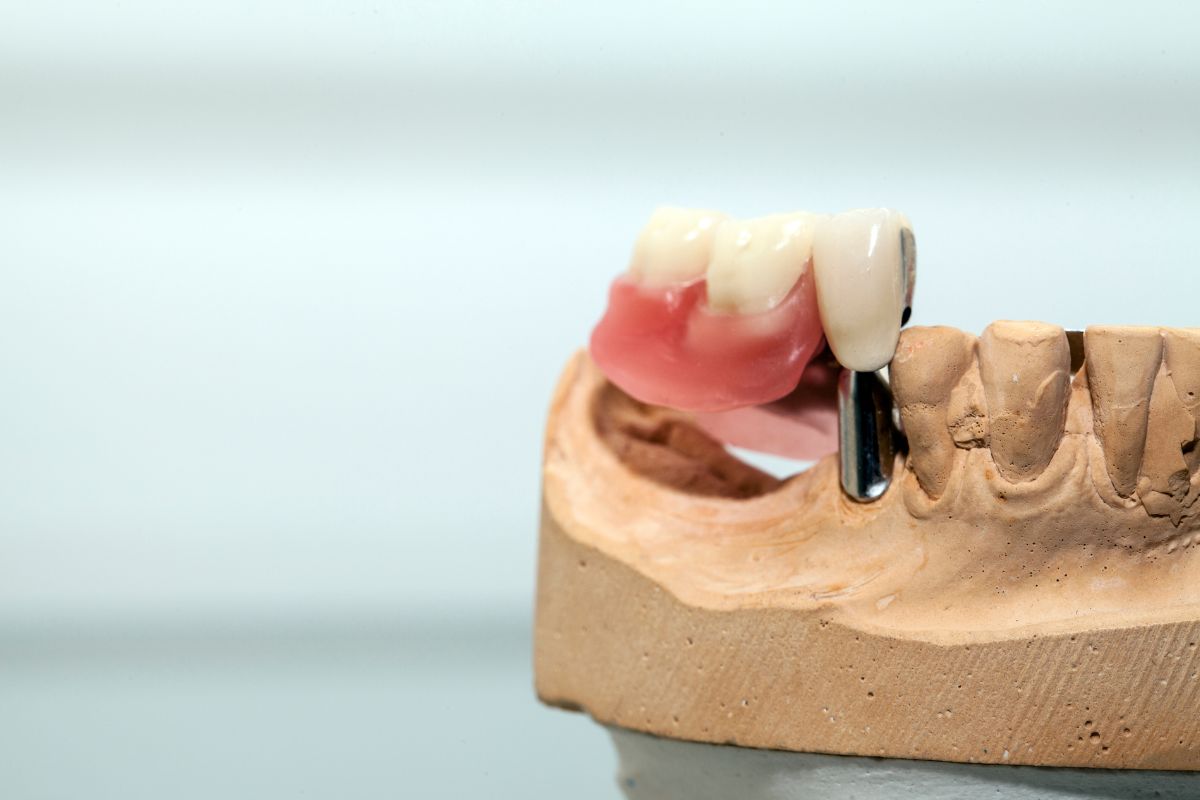
“Can a dental implant become infected?” – Yes, while dental implants have a high success rate, they can still become infected under certain conditions.
This article explores what a dental implant infection is, how common it may be, the risk factors, warning signs, treatment options, and prevention tips. It also explains what patients can expect when seeking care for dental implants Albuquerque residents trust.
By working with an experienced implant dentist, Albuquerque patients gain access to advanced techniques and comprehensive recovery support. At LoPour & Associates, our team of skilled professionals is committed to helping patients maintain healthy implant teeth and long-lasting results.
What is a Dental Implant Infection?
An infected implant typically falls into one of two conditions:
- Peri-implant mucositis – gum inflammation around the implant tooth, similar to gingivitis.
- Peri-implantitis – a more severe stage where infection reaches the bone, potentially leading to bone infection from the dental implant and implant failure.
How Common Are These Infections?
Fortunately, implant infections are uncommon, affecting fewer than 10% of patients. Still, those with dental implants Albuquerque should remain proactive with hygiene and follow-up appointments to avoid complications.
Common Causes and Risk Factors
The chances of an implant tooth infection increase with certain factors, such as:
- Poor oral hygiene
- Smoking or vaping
- Systemic health conditions like diabetes
- Improper placement of implant teeth
- Teeth grinding (bruxism)
- Untreated gum disease
Awareness of these risks helps patients protect against dental implant infections.
Signs & Symptoms to Watch For
An infected implant may show early warning signs, including:
- Redness, swelling, or tenderness
- Gum bleeding when brushing or flossing
- Pain or discomfort while chewing
- Pus, foul taste, or persistent bad breath
- A loose or unstable implant tooth
If symptoms last beyond 72 hours or worsen, it may indicate that implants can become infected and require immediate attention.
Diagnosis & Early Detection
A skilled implant dentist in Albuquerque patients trust will use gum probing, X-rays, and a full exam to confirm infection. Early detection is critical to preventing a severe bone infection from dental implant complications.
Treatment Options
Treatment depends on the severity of the implant tooth infection:
- Non-surgical options: professional cleaning, antibacterial rinses, and prescribed antibiotics.
- Surgical options: tissue debridement, bone grafting, or removal and replacement of the implant in advanced cases.
Most patients respond well to conservative treatment if caught early.
How to Prevent Infection
Patients can significantly reduce their risk of implant infection with these preventive steps:
- Brush and floss daily around the implant teeth
- Use antibacterial mouthwash
- Quit smoking or vaping
- Manage systemic health conditions
- Wear a night guard if grinding teeth
- Maintain regular dental visits for professional monitoring of your implant
When to See a Dentist in Albuquerque
Patients with dental implants in Albuquerque can expect access to advanced diagnostics, personalized care plans, and timely follow-ups. Partnering with an experienced Albuquerque dentist ensures the best chance of long-term implant success.
Seek professional care if you notice swelling, bleeding, or pain around an implant, tooth infection,n or if symptoms persist longer than three days. Acting quickly helps prevent progression, since implants can get infected, which is a genuine risk without timely treatment.
Suffering from Infected Implants?
While dental implant infections are rare, they can occur without proper care. The good news is that with good hygiene, regular check-ups, and the right professional support, most patients enjoy long-lasting success. If you have questions about the dental implants Albuquerque patients rely on, or you’re concerned about an infected implant, schedule a consultation.
At LoPour & Associates, our trusted team combines expertise with compassionate care, making us the go-to choice for anyone searching for an experienced implant dentist Albuquerque residents can count on. Whether you’re considering treatment or need follow-up care, our skilled Albuquerque dentist team is here to protect your smile and ensure your implants stay strong for years to come.
FAQs
How Do I Know if My Dental Implant is Infected?
A dental implant infection (peri-implantitis) may cause symptoms like pain, swelling, redness, bleeding, pus, bad breath or taste, and even a loose implant. If these signs appear or persist, see your dentist right away for proper treatment.
How Do You Treat an Infected Tooth Implant?
Treatment for a dental implant infection (peri-implantitis) depends on its severity. Options may include antibiotics, deep cleaning, antimicrobial rinses, or, in advanced cases, surgery or implant removal.
Can a Tooth Implant Get Infected Years Later?
Yes, dental implants can get infected years later. This condition, called peri-implantitis, is linked to bacterial buildup and risk factors like poor oral hygiene, smoking, or medical conditions.
What are the Odds of Getting an Infection After a Dental Implant?
Dental implant infections are uncommon, affecting only 5–10% of cases. Since most implants heal successfully, issues are rare but if infection occurs, prompt treatment is essential.