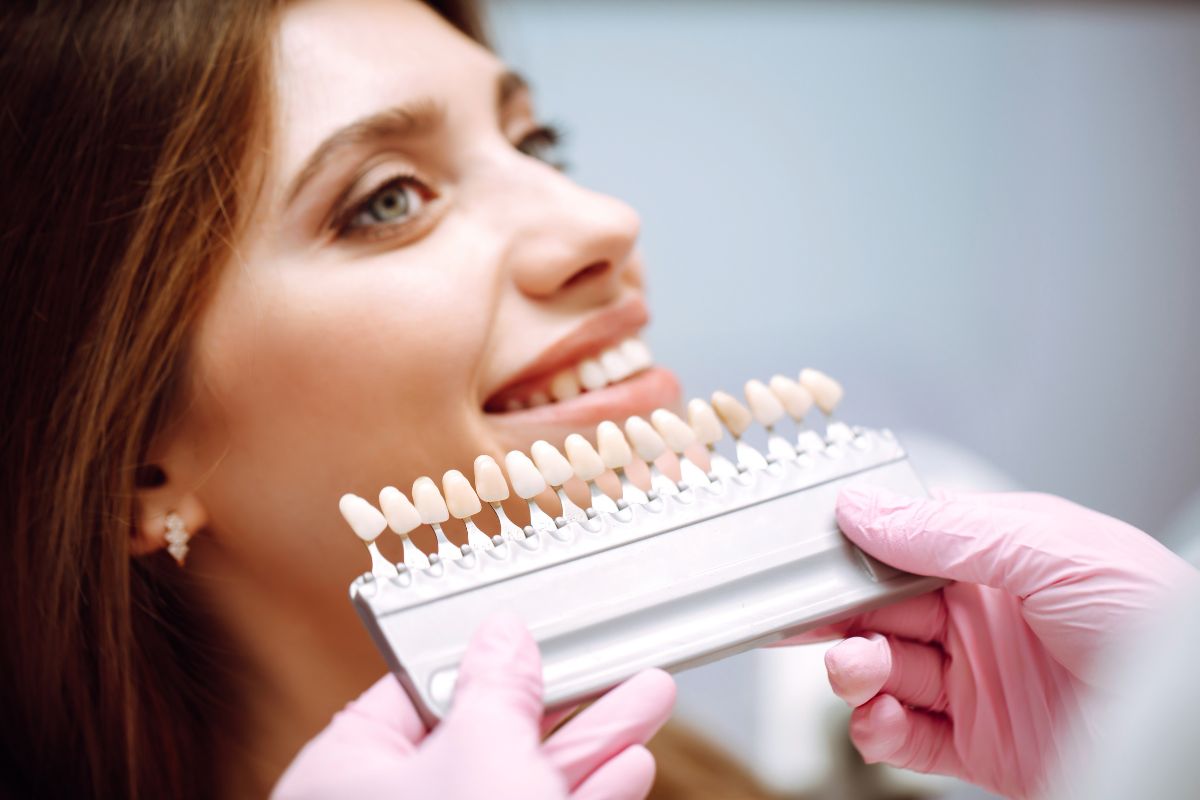

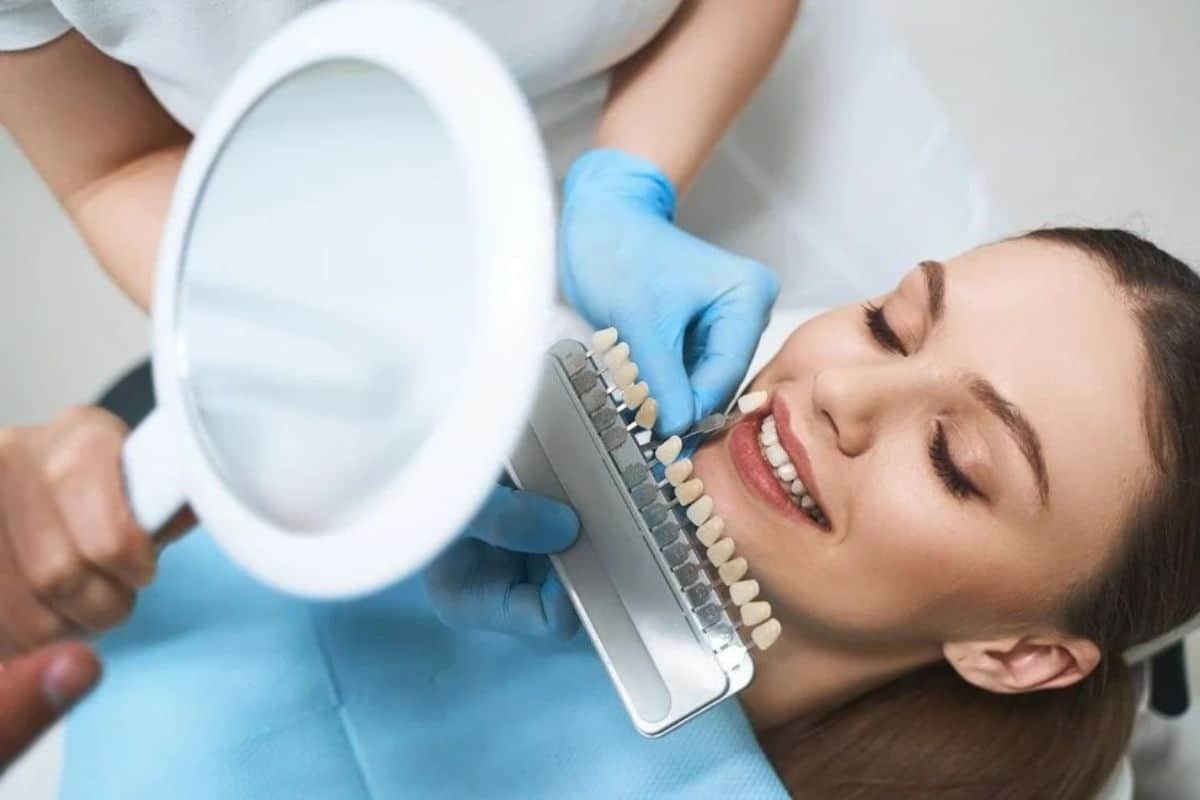
A beautiful smile can make a lasting impression, and porcelain veneers are one way to improve the appearance of chipped, stained, uneven, or slightly misaligned teeth. However, before choosing this cosmetic treatment, many patients have an important question: How long will the results last?
Porcelain veneers are designed to be durable, but they are not indestructible. Their lifespan depends on several factors, including oral hygiene, eating habits, bite alignment, and everyday care. If you are considering porcelain veneers in Albuquerque, understanding how to maintain them can help you protect your investment and enjoy your smile for years.
At LoPour & Associates DDS, patients can explore personalized veneer treatment options, including restorations crafted by the practice’s in-house ceramist.
How Long Do Porcelain Veneers Last?
Porcelain veneers generally last around 10 to 15 years with proper care, although some may last longer. Their actual lifespan varies depending on the quality of the restoration, the condition of the underlying teeth, oral hygiene habits, and the amount of pressure placed on them.
Porcelain is a durable, stain-resistant material, making it a popular choice for cosmetic dental restorations. However, veneers can still chip, crack, loosen, or wear over time.
Regular dental examinations help identify potential problems early and allow your dentist to determine whether a veneer needs maintenance, repair, or replacement.
What Factors Affect the Lifespan of Porcelain Veneers?
Not every patient’s veneers will last the same amount of time. Several everyday habits and dental conditions can influence their durability.
1. Daily Oral Hygiene
Good oral hygiene is essential for protecting the natural teeth underneath your veneers. Although porcelain itself does not develop cavities, the underlying tooth structure can still experience decay.
Plaque buildup around the edges of veneers may also contribute to gum irritation and other oral health problems.
Brush twice daily with a soft-bristled toothbrush and fluoride toothpaste. Floss once a day to remove plaque and food particles between your teeth.
2. Teeth Grinding and Clenching
Grinding or clenching your teeth, particularly during sleep, places additional pressure on veneers. Over time, this pressure may cause small cracks, chips, or bonding problems.
If you frequently wake up with jaw discomfort or notice signs of tooth wear, discuss these concerns with your dentist. A custom night guard may help protect your teeth and restorations while you sleep.
3. Eating Habits
Your food choices can influence how long your veneers remain in good condition.
Biting directly into ice, hard candy, nutshells, or other extremely hard foods can put excessive pressure on porcelain. Sticky and chewy foods may also create unnecessary stress on dental restorations.
You do not need to avoid all your favorite foods. Instead, make sensible choices and avoid using your front teeth to bite into particularly hard items.
4. Regular Dental Checkups
Professional dental examinations allow your dentist to monitor the condition of your veneers, gums, and underlying teeth.
Your dentist can check for signs of damage, changes in the fit, and problems around the veneer margins. Routine professional cleanings also help maintain good oral health.
7 Practical Tips to Extend the Lifespan of Porcelain Veneers
Although veneers eventually require maintenance or replacement, simple habits can help you keep them in good condition.
1. Brush Gently Twice a Day
Brush your teeth in the morning and before bedtime using a soft-bristled toothbrush. Choose a nonabrasive fluoride toothpaste to help protect your natural teeth without unnecessarily scratching the restoration.
Avoid aggressive brushing, particularly around the gumline.
2. Floss Every Day
Flossing removes food particles and plaque from areas your toothbrush cannot reach.
Pay attention to the spaces between veneered teeth and the surrounding gumline. Healthy gums provide important support for your natural teeth and restorations.
3. Avoid Chewing Ice and Hard Objects
Chewing ice, hard candies, pens, or fingernails can damage both natural teeth and porcelain veneers.
Also, avoid using your teeth to open packages, tear plastic, or bite through non-food objects. These habits create unnecessary pressure on your restorations.
4. Choose Veneer-Friendly Foods
You can enjoy a wide variety of foods with porcelain veneers. However, cutting harder foods into smaller pieces can reduce direct pressure on your front teeth.
Some sensible choices include:
- Soft fruits such as bananas and berries.
- Cooked vegetables.
- Eggs and other soft protein sources.
- Yogurt and cottage cheese.
- Cooked fish.
- Soft grains and pasta.
Apples, carrots, and similar crunchy foods can still be enjoyed when cut into manageable pieces rather than bitten directly with your front teeth.
For more dietary guidance, patients can also explore foods to eat with veneers.
5. Wear a Night Guard if Recommended
If you grind or clench your teeth, ask your dentist whether a custom-fitted night guard is appropriate.
It creates a protective barrier between your upper and lower teeth, helping reduce excessive forces on your restorations.
6. Be Mindful of Staining Habits
Porcelain is generally more resistant to staining than natural tooth enamel. Nevertheless, the natural teeth surrounding your veneers and the bonding areas may develop discoloration over time.
Coffee, tea, red wine, and tobacco can contribute to staining concerns.
Rinsing your mouth with water after consuming staining beverages and maintaining regular oral hygiene can help keep your smile looking its best.
7. Keep Up With Professional Dental Visits
Do not skip routine dental appointments simply because your veneers look fine.
Your dentist can evaluate the condition of each restoration, examine the surrounding gums, and identify issues that may not be noticeable at home.
Follow the recommended schedule for examinations and professional cleanings.
What Are the Signs That Porcelain Veneers Need Replacement?
Porcelain veneers are long-lasting restorations, but they do not last forever. Recognizing potential problems can help you seek professional attention before they become more complicated.
Look out for these warning signs:
- Visible chips or cracks: Damage may affect the appearance and structural integrity of a veneer.
- Loose veneers: A veneer that moves or becomes detached needs professional evaluation.
- Changes around the gumline: Gum recession may expose the natural tooth near the edge of a veneer.
- Discomfort or sensitivity: New or persistent sensitivity may indicate an issue with the underlying tooth or restoration.
- Changes in appearance: Discoloration around the edges or changes in the surrounding teeth may affect the overall appearance of your smile.
Not every damaged veneer automatically requires replacement. Depending on the condition, your dentist may recommend repair, rebonding, or a new restoration.
Never attempt to glue a loose veneer back onto your tooth yourself. Contact your dental office for guidance.
Why Does Professional Veneer Care Matter?
The long-term success of porcelain veneers depends on more than the material used to create them. Proper treatment planning, accurate placement, healthy supporting teeth, and ongoing maintenance all matter.
At LoPour & Associates DDS, the Albuquerque practice features an in-house dental lab where its trusted ceramist crafts custom porcelain veneers. Having this resource within the practice supports coordination between the clinical team and the ceramist throughout the restoration process.
Dr. Greg LoPour evaluates each patient’s oral health and smile goals before recommending cosmetic treatment. A consultation can help determine whether veneers are appropriate and what maintenance considerations may apply to your situation.
Patients considering treatment can also explore our porcelain veneer services to understand the available options.
Frequently Asked Questions
1. Can porcelain veneers last 20 years?
Some porcelain veneers may last 20 years or longer, but this is not guaranteed. Their longevity depends on oral hygiene, bite forces, restoration quality, and regular dental care. Your dentist can assess their condition during routine examinations.
2. Do porcelain veneers stain over time?
Porcelain is highly resistant to staining compared with natural tooth enamel. However, the bonding material, surrounding natural teeth, and gumline may show discoloration over time. Good oral hygiene and professional dental care help maintain an attractive appearance.
3. Can I eat normally with porcelain veneers?
Yes. Most patients can enjoy a normal, varied diet after adjusting to their veneers. However, avoid chewing ice, biting hard candy, or placing excessive pressure on the restorations. Cutting crunchy foods into smaller pieces is a sensible precaution.
4. Do porcelain veneers need special cleaning products?
Generally, veneers do not require complicated cleaning routines. A soft-bristled toothbrush, nonabrasive fluoride toothpaste, daily flossing, and regular professional cleanings are usually recommended. Ask your dentist about suitable products for your specific restorations.
5. What happens when porcelain veneers wear out?
When a veneer becomes damaged or reaches the end of its useful lifespan, your dentist will evaluate the restoration and the underlying tooth. Depending on the condition, repair, rebonding, or replacement may be recommended. Since veneer placement often involves removing enamel, the treated tooth will generally continue to need a restoration.
Protect Your Smile With Proper Veneer Care
Porcelain veneers can provide a long-lasting improvement to your smile, often remaining in good condition for 10 to 15 years or longer with appropriate care. However, their lifespan depends on your daily habits, oral health, and professional maintenance.
From brushing and flossing consistently to avoiding excessive biting pressure, small preventive steps can make a meaningful difference.
If you are considering veneers or want to check the condition of your existing restorations, LoPour & Associates DDS can help you understand your options. Schedule a consultation at our Albuquerque, NM, office to discuss your smile goals and receive personalized recommendations.
You can also see patient reviews on Google to learn more about other patients’ experiences.