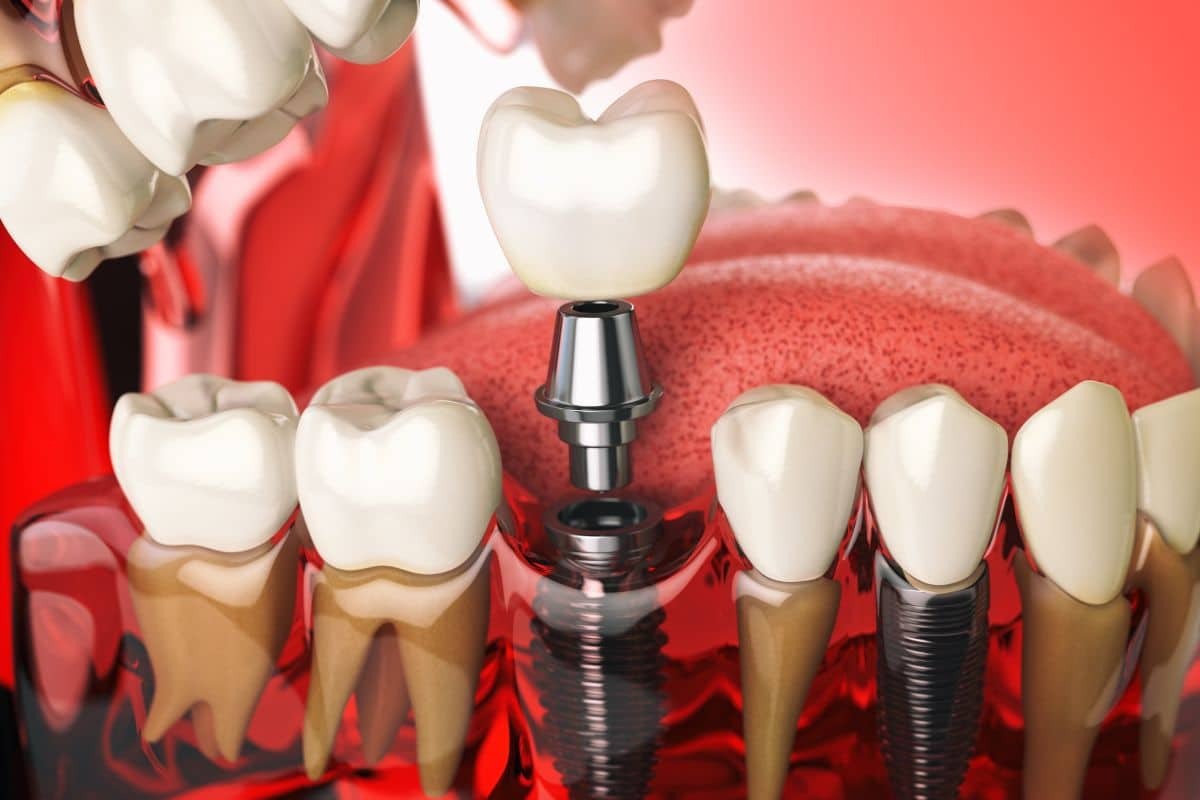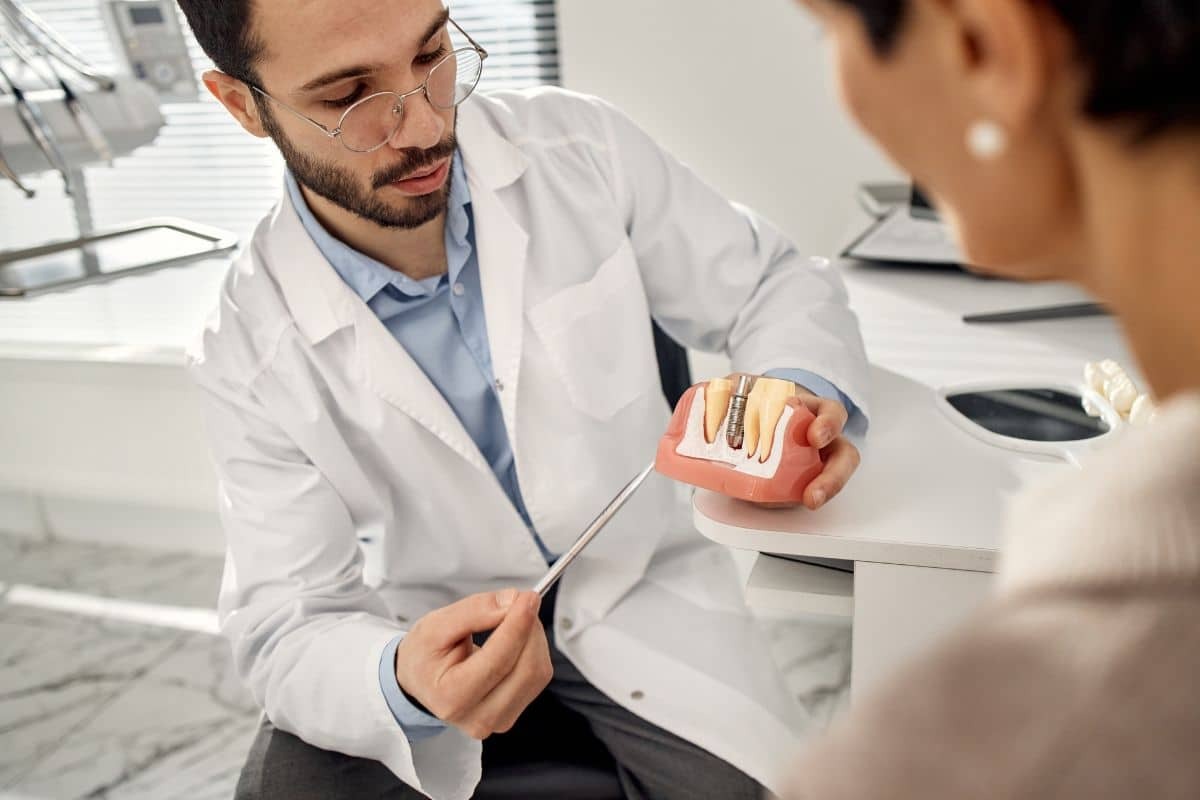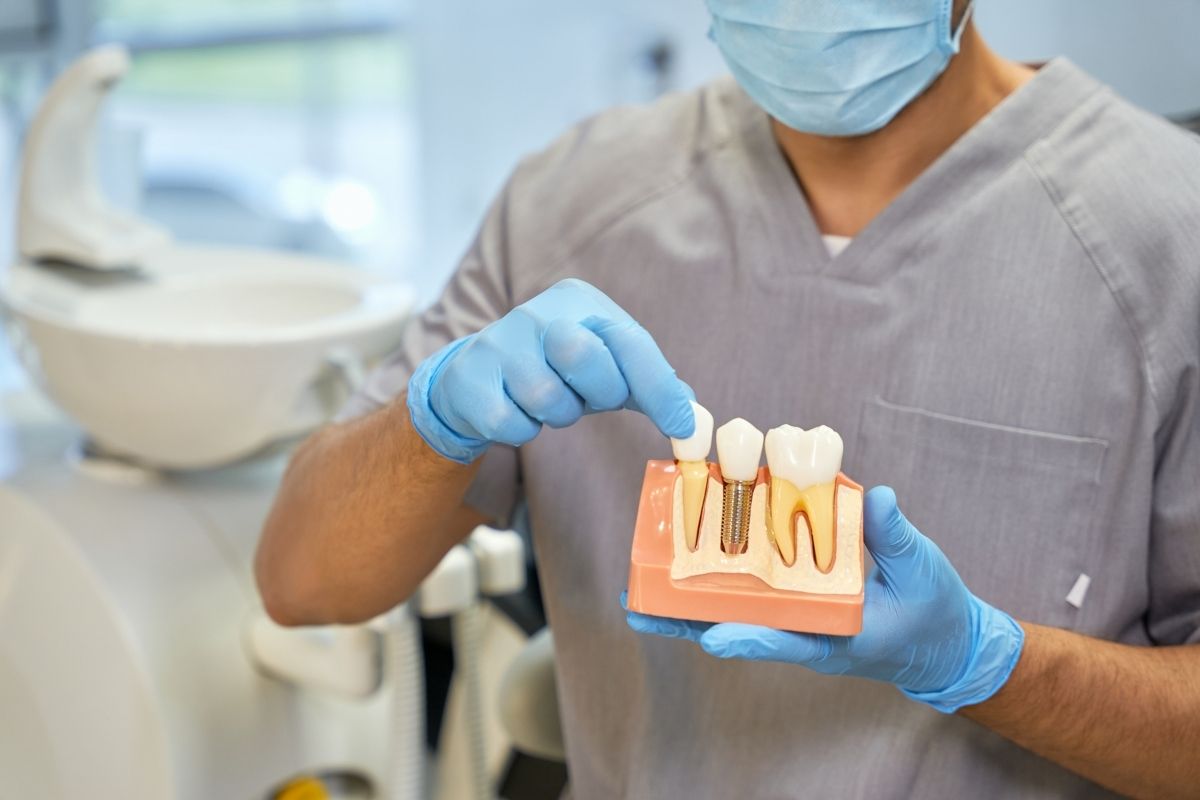

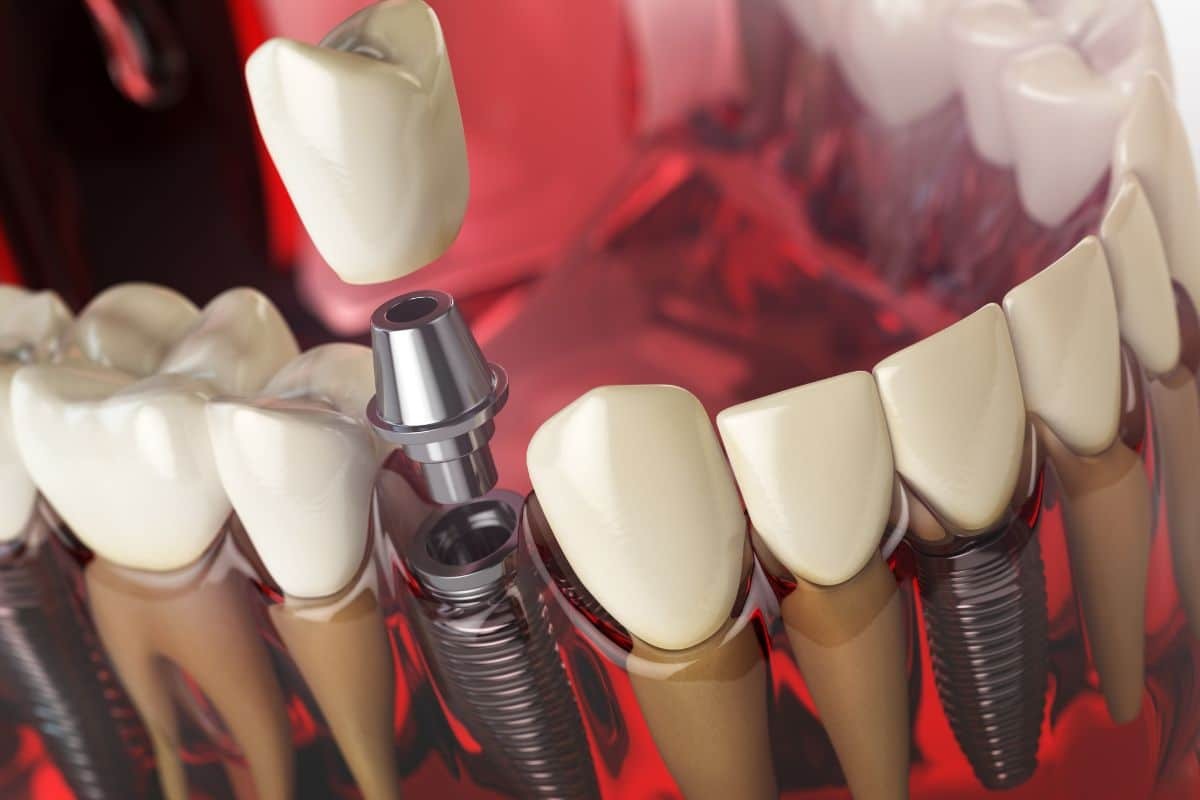
Dental implants are one of the most reliable ways to replace missing teeth, but they still need proper care to stay healthy. With consistent dental implant care, many patients enjoy strong, natural-looking implants for decades. If you live in Albuquerque, NM, knowing how to protect your investment can help you avoid unnecessary complications and maintain a confident smile for years to come.
Whether you’ve recently received implants or have had them for years, a few simple habits can make a significant difference. Working with an experienced trusted implant dentist in Albuquerque and following a good oral hygiene routine are the keys to long-term success.
Quick Answer
Dental implant care includes brushing twice daily with a soft-bristled toothbrush, flossing around the implant every day, attending regular dental checkups, avoiding tobacco products, and treating gum disease promptly. With proper home care and professional maintenance, dental implants can remain healthy and functional for decades.
Why Is Dental Implant Care So Important?
Although dental implants cannot develop cavities, the gums and bone supporting them are still vulnerable to infection. Poor oral hygiene may lead to peri-implant mucositis or peri-implantitis, conditions that can weaken the tissues surrounding the implant.
Proper care helps:
- Protect the surrounding gums
- Prevent plaque buildup
- Reduce the risk of infection
- Maintain healthy jawbone support
- Extend the lifespan of your implant restoration
- Keep your smile looking natural
The healthier your gums remain, the more stable your implant will be over time.
Daily Dental Implant Care Tips
Brush Thoroughly Twice Each Day
Use a soft-bristled toothbrush to gently clean all surfaces of your implant, crown, and surrounding gums. Electric toothbrushes can also help remove plaque more effectively.
Choose a non-abrasive toothpaste to protect the surface of your restoration while maintaining excellent oral hygiene.
Floss Every Day
Flossing removes plaque and food particles that brushing alone cannot reach. Many implant patients benefit from:
- Implant-specific floss
- Water flossers
- Interdental brushes
- Soft picks recommended by their dentist
Daily cleaning between teeth helps reduce inflammation around the implant.
Use an Antibacterial Mouth Rinse
Your dentist may recommend an alcohol-free antibacterial mouthwash to reduce harmful bacteria and support healthy gum tissue.
While mouthwash is helpful, it should never replace brushing and flossing.
Caring for your dental implant starts immediately after the procedure, and the healing period is just as important as your daily oral hygiene routine. If you’re wondering what to expect during recovery, read our guide on how many days you should rest after a dental implant. Following the recommended recovery timeline can help your implant heal properly and support long-term success.
Foods That Help Protect Dental Implants
After your implant has fully healed, you can enjoy most foods. However, making smart dietary choices helps preserve your oral health.
Good choices include:
- Fresh fruits
- Vegetables
- Dairy products
- Lean proteins
- Whole grains
- Plenty of water
Try to limit:
- Sticky candies
- Excessively hard foods
- Sugary snacks
- Frequent sugary drinks
A balanced diet supports healthy gums and bone around your implant.
Habits That Can Shorten the Life of Dental Implants
Certain habits increase the risk of implant complications.
Avoid:
- Smoking or tobacco use
- Chewing ice
- Using teeth as tools
- Nail biting
- Grinding or clenching your teeth without treatment
If you grind your teeth at night, your dentist may recommend a custom night guard to protect both natural teeth and implant restorations.
Why Professional Dental Visits Matter
Even excellent home care cannot remove hardened tartar or detect early signs of gum disease.
Routine dental visits allow your dental team to:
- Evaluate implant stability
- Check gum health
- Take X-rays when needed
- Professionally clean around the implant
- Identify small problems before they become larger concerns
Most patients benefit from professional cleanings and examinations every six months, although your dentist may recommend a different schedule based on your individual needs.
Signs Your Dental Implant Needs Attention
Dental implants typically feel comfortable and function like natural teeth. If something changes, don’t ignore it.
Schedule an appointment if you notice:
- Bleeding around the implant
- Swollen or tender gums
- Persistent bad breath
- Pain while chewing
- A loose crown or implant
- Gum recession around the implant
Early treatment often prevents more serious problems and helps preserve your implant.
What Is the Long-Term Cost of Implant Maintenance?
One of the biggest advantages of implants is their durability. While the initial investment is higher than some tooth replacement options, proper maintenance often reduces future treatment costs.
Long-term maintenance typically includes:
- Routine dental exams
- Professional cleanings
- Periodic X-rays
- Replacement of worn restorations if necessary after many years
Consistent dental implant care is usually far less expensive than treating advanced implant complications.
Conclusion
Excellent dental implant care doesn’t have to be complicated. Brushing, flossing, making healthy lifestyle choices, and visiting your dentist regularly can help your dental implants remain strong and beautiful for decades.
If you’re ready to protect your investment or have questions about caring for your implants, schedule an appointment with LoPour & Associates DDS in Albuquerque. Their experienced team is here to help you enjoy a healthy, confident smile for years to come.
Call today: +1 5052987475
Want to stay informed about dental tips, office updates, and real patient experiences? Read our latest Google reviews and updates to explore recent information, patient feedback, and learn more about what local patients are saying about LoPour & Associates DDS.
Frequently Asked Questions
How long do dental implants last with proper care?
With consistent dental implant care and routine dental visits, many implants can last 20 years or longer. Some patients enjoy healthy implants for the rest of their lives when they maintain excellent oral hygiene and address problems early.
Can dental implants get cavities?
No. Dental implants themselves cannot develop cavities because they are made from materials like titanium and porcelain. However, the surrounding gums and bone can become infected if plaque is not removed regularly.
Do I need special products to clean dental implants?
Most patients can use a soft-bristled toothbrush, non-abrasive toothpaste, floss, or a water flosser. Your dentist may recommend implant-specific cleaning tools depending on your individual needs.
Is it normal for dental implants to bleed?
Healthy implants should not bleed. Bleeding around an implant may indicate gum inflammation or early peri-implant disease. Contact your dentist promptly if you notice persistent bleeding.
Can smoking affect dental implants?
Yes. Smoking reduces blood flow to the gums, slows healing, and increases the risk of implant failure and gum disease. Quitting tobacco greatly improves your chances of long-term implant success.