
Dental implants can be an effective way to replace missing teeth, but the process does not end when the implant is placed. Healing is an important part of treatment because the surrounding gum tissue and jawbone need time to recover and support the implant. Knowing what to expect can help you feel more prepared and make recovery easier.
If you are considering tooth replacement, understanding the options available through implant dentistry in Albuquerque is a helpful first step. At LoPour & Associates DDS, patients can discuss their dental needs, treatment options, and the steps involved in restoring their smiles.
So, how long does dental implant recovery take? What should you eat after surgery? And when can you return to your regular routine? Here is what patients should know about the healing process.
Quick Answer: How Long Does Dental Implant Recovery Take?
Initial recovery after dental implant surgery generally takes about one to two weeks, although gum healing varies from person to person. The jawbone takes longer to bond with the implant, a process called osseointegration, which commonly takes several months. The exact timeline depends on bone health, the number of implants placed, and whether additional procedures, such as bone grafting, are needed.
Understanding the Dental Implant Recovery Timeline
Dental implant recovery happens in stages. While some patients feel comfortable returning to everyday activities relatively quickly, complete healing requires more time.
First 24-48 Hours: Initial Healing
The first couple of days are usually focused on rest and protecting the surgical area. You may experience:
- Mild to moderate discomfort around the implant site
- Swelling in the gums or cheeks
- Minor bleeding or blood-tinged saliva
- Tenderness when chewing
- Temporary jaw stiffness
These symptoms can be part of the normal healing response. Your dentist may recommend appropriate pain medication and cold compresses to help manage discomfort and swelling.
Avoid strenuous exercise, smoking, and unnecessary pressure around the surgical site. Follow the specific instructions provided by your dental team.
Days 3-7: Swelling and Tenderness Begin to Improve
Swelling and tenderness may be most noticeable during the first few days. They should gradually improve as healing progresses.
During this period, continue eating soft foods and avoid chewing directly over the implant site. Maintain oral hygiene carefully, following your dentist’s instructions about brushing and rinsing.
You may begin feeling more comfortable with everyday activities, but avoid rushing back into anything that could disturb the healing area.
Weeks 1-2: Gum Tissue Continues Healing
During the second week, the gum tissue around the implant generally becomes more comfortable as the surgical site closes and heals.
If you have stitches, they may dissolve naturally or need to be removed, depending on the type used. Your dentist may schedule a follow-up appointment to examine the area and check your progress.
Even if your mouth feels normal, the implant is not necessarily ready for normal chewing pressure.
Months 2-6: The Implant Bonds With the Jawbone
One of the most important stages of dental implant recovery happens beneath the gumline.
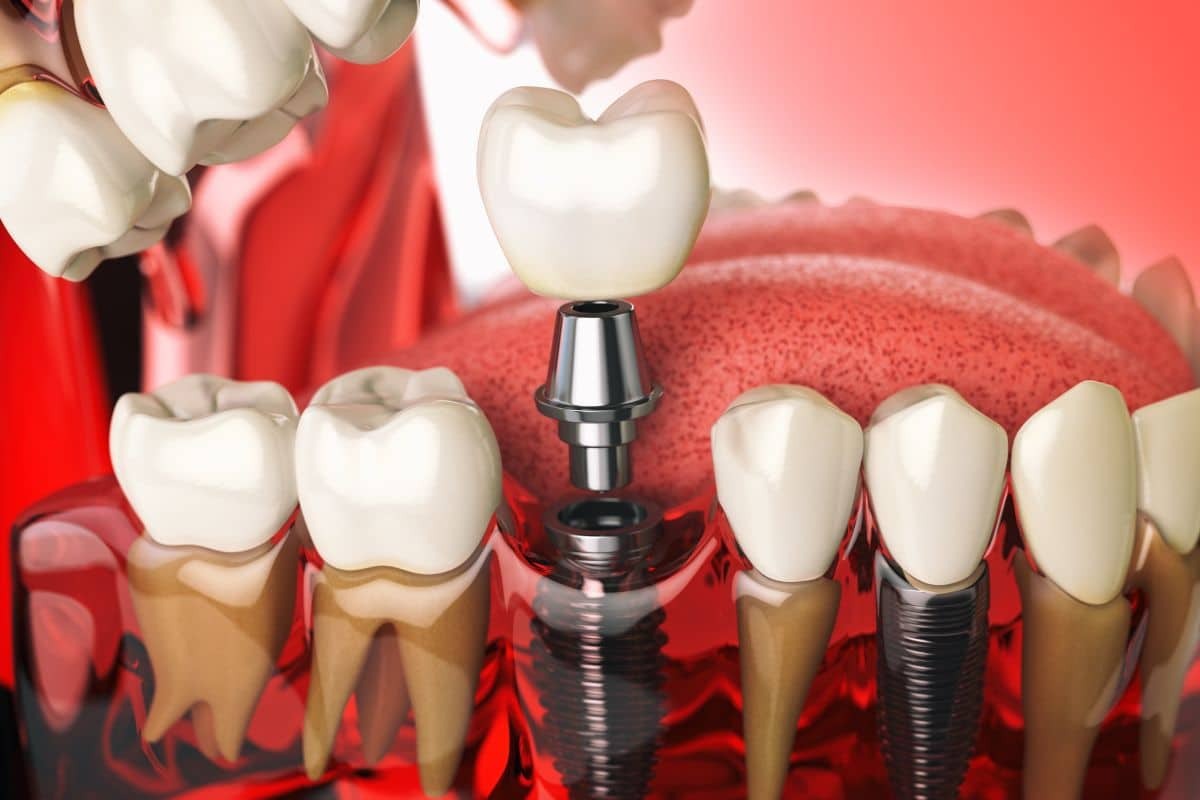
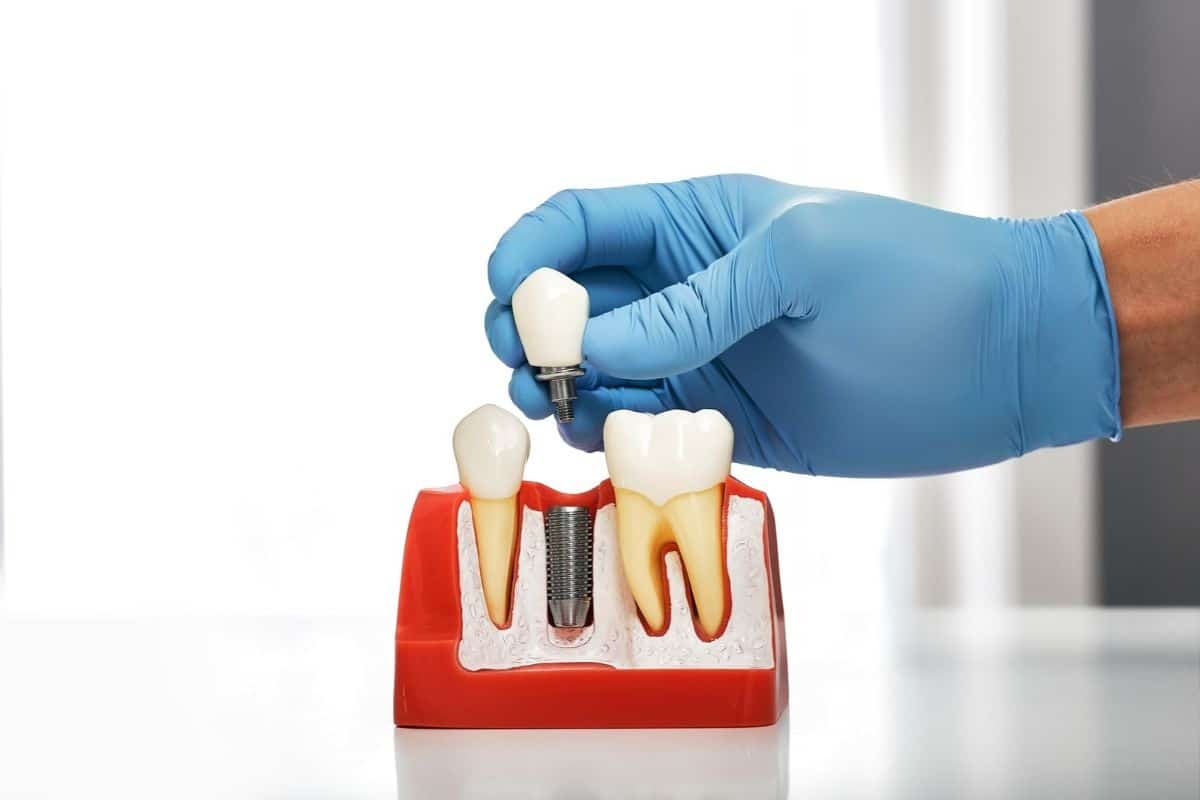
During osseointegration, the surrounding jawbone gradually grows around and bonds with the implant. This creates the foundation needed to support the final dental restoration.
This stage can take several months. Your dentist will evaluate healing and implant stability before determining when the permanent crown, bridge, or denture can be attached.
5 Practical Tips for a Smoother Dental Implant Recovery
Following your aftercare instructions can help protect the surgical site and support healthy healing.
1. Choose Soft, Nutritious Foods
Your mouth may feel tender after surgery, so choose foods that require minimal chewing.
Some suitable options include:
- Yogurt and applesauce
- Mashed potatoes
- Scrambled eggs
- Soft-cooked vegetables
- Oatmeal
- Lukewarm soups
- Smoothies consumed without a straw, if permitted
Avoid hard, crunchy, sticky, or very hot foods until your dentist says they are safe. Gradually return to your usual diet according to your healing progress.
2. Keep Your Mouth Clean
Good oral hygiene is important during recovery. However, cleaning the surgical area too aggressively can interfere with healing.
Brush your other teeth gently and follow your dentist’s directions about when and how to clean around the implant. If a prescribed mouth rinse or saltwater rinse is recommended, use it exactly as instructed.
3. Avoid Smoking and Tobacco Products
Smoking and tobacco use can interfere with the body’s healing process and increase the risk of implant complications. Avoid smoking during recovery and discuss tobacco cessation with your dental professional if needed.
4. Take Medication as Directed
If your dentist prescribes medication or recommends an over-the-counter pain reliever, follow the dosage instructions carefully. Do not take additional medication or stop prescribed treatment without discussing it with your healthcare professional.
5. Attend Follow-Up Appointments
Follow-up visits allow your dental team to monitor gum healing, evaluate implant stability, and identify potential concerns early.
Even if you are not experiencing discomfort, keep your scheduled appointments. The bone-healing process continues beneath the surface.
What Can Affect Dental Implant Healing Time?
Not everyone experiences the same recovery timeline. Several factors can influence how quickly the mouth heals, including:
- Overall health: Certain health conditions and medications may affect healing.
- Bone quality and quantity: Adequate jawbone support is important for implant stability.
- Number of implants: Multiple implants may require a more involved recovery.
- Bone grafting: Additional procedures can extend the overall treatment timeline.
- Oral hygiene: Keeping the mouth clean helps reduce the risk of infection.
- Lifestyle habits: Smoking and poor aftercare can interfere with recovery.
Your dentist can provide a more personalized estimate after evaluating your oral health and treatment needs.
When Should You Contact Your Dentist?
Some discomfort, swelling, and minor bleeding can occur after implant surgery. However, certain symptoms should not be ignored.
Contact your dental office if you experience:
- Pain or swelling that becomes worse instead of gradually improving
- Persistent or excessive bleeding
- Fever or signs of infection
- Pus or an unusual discharge around the surgical area
- A persistent unpleasant taste or odor
- An implant that feels loose or unstable
- Numbness that continues after the expected effects of anesthesia have worn off
Severe facial or neck swelling, or difficulty breathing or swallowing, requires immediate emergency medical attention.
Do not wait for a routine follow-up appointment if you notice concerning symptoms.
How Can You Care for Dental Implants After Healing?
Taking care of your implants remains important after the initial recovery period. Although the replacement tooth cannot develop cavities like a natural tooth, the surrounding gums and supporting tissues still need attention.
Brush twice daily, clean between your teeth using appropriate floss or interdental tools, and attend regular dental checkups and professional cleanings.
For additional guidance, follow your dentist’s recommendations on tips to care for dental implants. Consistent home care can help protect the tissues surrounding your restoration and support long-term oral health.
FAQs About Dental Implant Recovery
1. Is dental implant recovery painful?
Some discomfort, swelling, and tenderness are common after implant placement. The level of discomfort varies depending on the procedure and individual circumstances. Your dentist can recommend appropriate ways to manage symptoms during recovery.
2. When can I eat normally after dental implant surgery?
You will generally need to start with soft foods and gradually reintroduce firmer foods as healing progresses. The timing depends on implant placement, bone health, and whether additional procedures were performed. Always follow your dentist’s dietary instructions.
3. How long does it take for a dental implant to fuse with the bone?
The process, known as osseointegration, commonly takes several months. The exact time varies depending on bone quality, implant location, and individual healing factors. Your dentist will evaluate implant stability before proceeding with the final restoration.
4. Can I brush my teeth after dental implant surgery?
Yes, but you should follow your dentist’s instructions about when and how to brush. You can generally continue cleaning unaffected teeth carefully, while avoiding direct irritation of the surgical site until your dental team says it is safe.
5. What happens if my dental implant does not heal properly?
If an implant does not integrate successfully with the surrounding bone or develops complications, additional evaluation and treatment may be necessary. Contact your dentist if you notice increasing discomfort, swelling, looseness, or other unusual symptoms.
Prepare for a More Comfortable Dental Implant Journey
Dental implant recovery takes patience, proper aftercare, and regular dental monitoring. While the initial healing period may take only a couple of weeks, the underlying bone needs several months to bond with the implant. Following professional instructions and maintaining good oral hygiene can help support this process.
If you are considering dental implants or have questions about recovery, LoPour & Associates DDS in Albuquerque, can help you understand your treatment options. Visit the practice to discuss your needs, ask questions, and determine the next steps toward restoring your smile.
You can also explore patient reviews and find the practice on Google before scheduling your consultation.